
















































Table of Contents
- 1. Key Highlights
- 2. Understanding Etihad's Two Seat Types
- 3. How Upgrades Work: The Two Mechanisms
- 4. Indicative Miles Required: India Routes
- 5. How Many Miles You Realistically Earn from India
- 6. Status and How It Helps with Upgrades
- 7. The 18-Month Expiry: The Rule That Catches People Out
- 8. Frequently Asked Questions
Key Highlights
- Two upgrade mechanisms: (1) Upgrade using Etihad Guest Miles to book a higher cabin outright via award redemption. (2) Upgrade an existing ticket closer to departure - Etihad's bid/miles upgrade programme.
- GuestSeats vs OpenSeats: GuestSeats require fewer miles but have limited availability. OpenSeats use dynamic pricing and require more miles but have more availability. Always search for GuestSeat availability first.
- Indicative upgrade costs (India routes): Economy to Business on India–Abu Dhabi: approximately 20,000–30,000+ miles one-way depending on availability and date. Actual costs must be checked at etihad.com - they vary significantly.
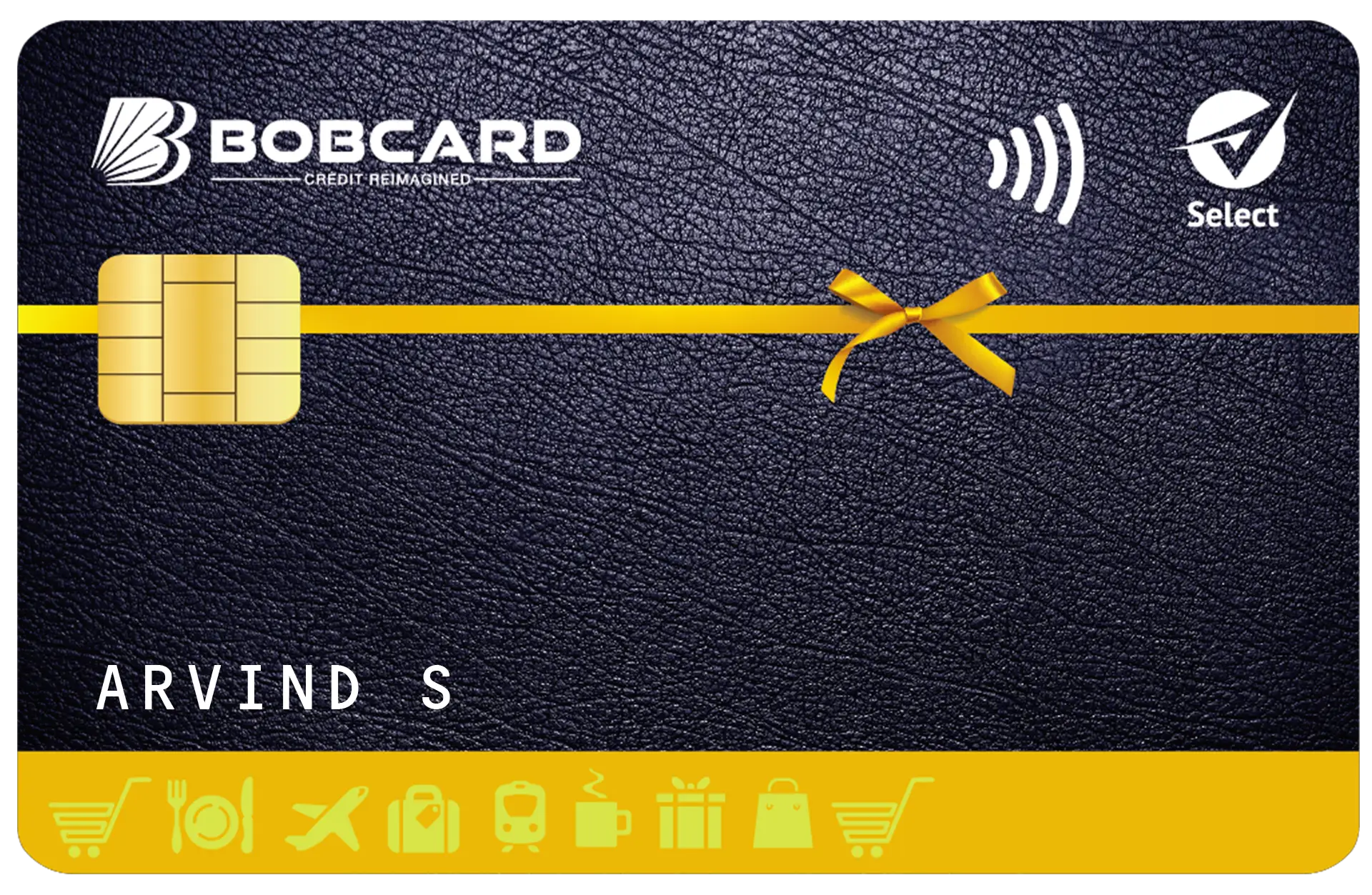
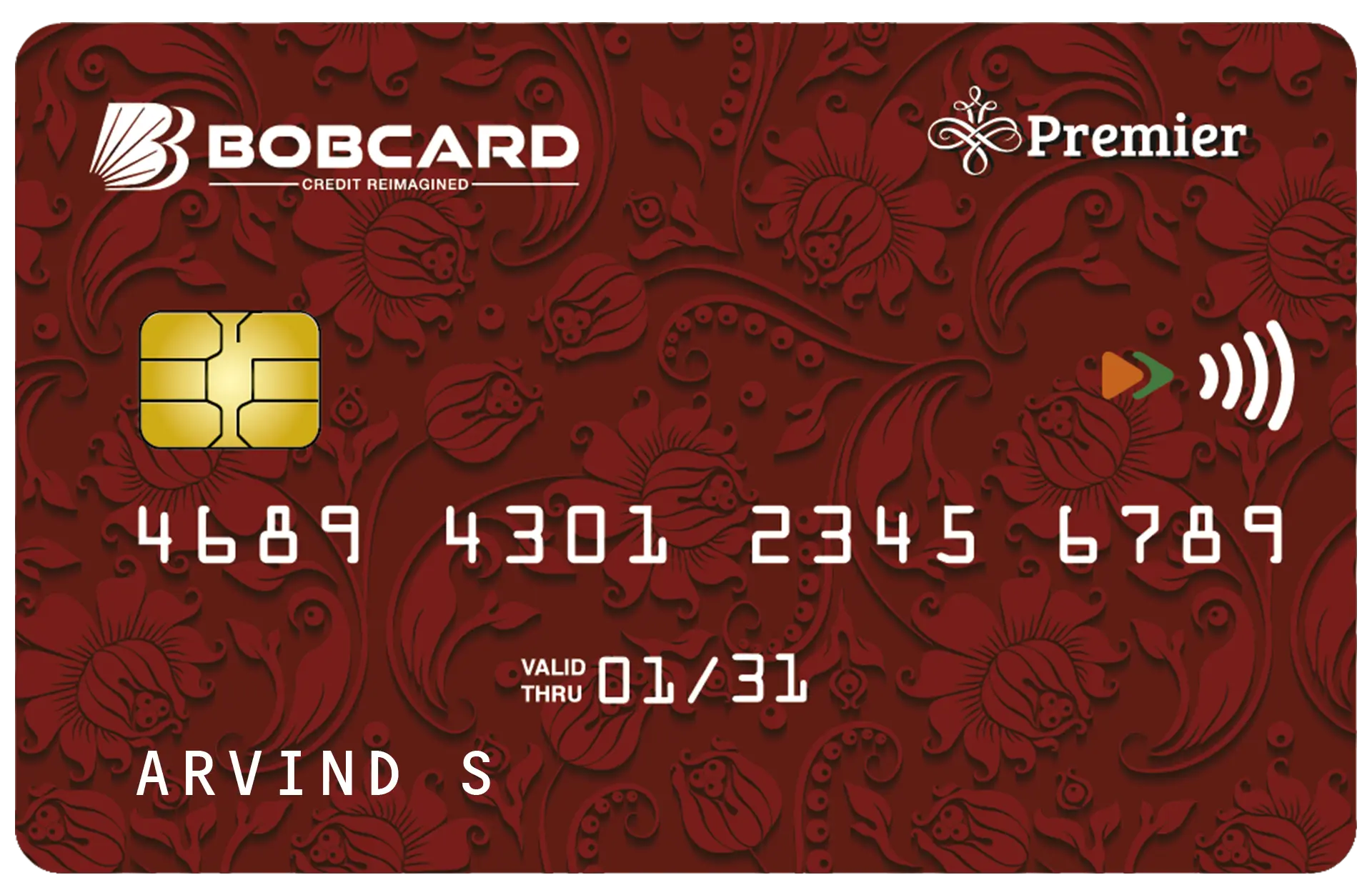
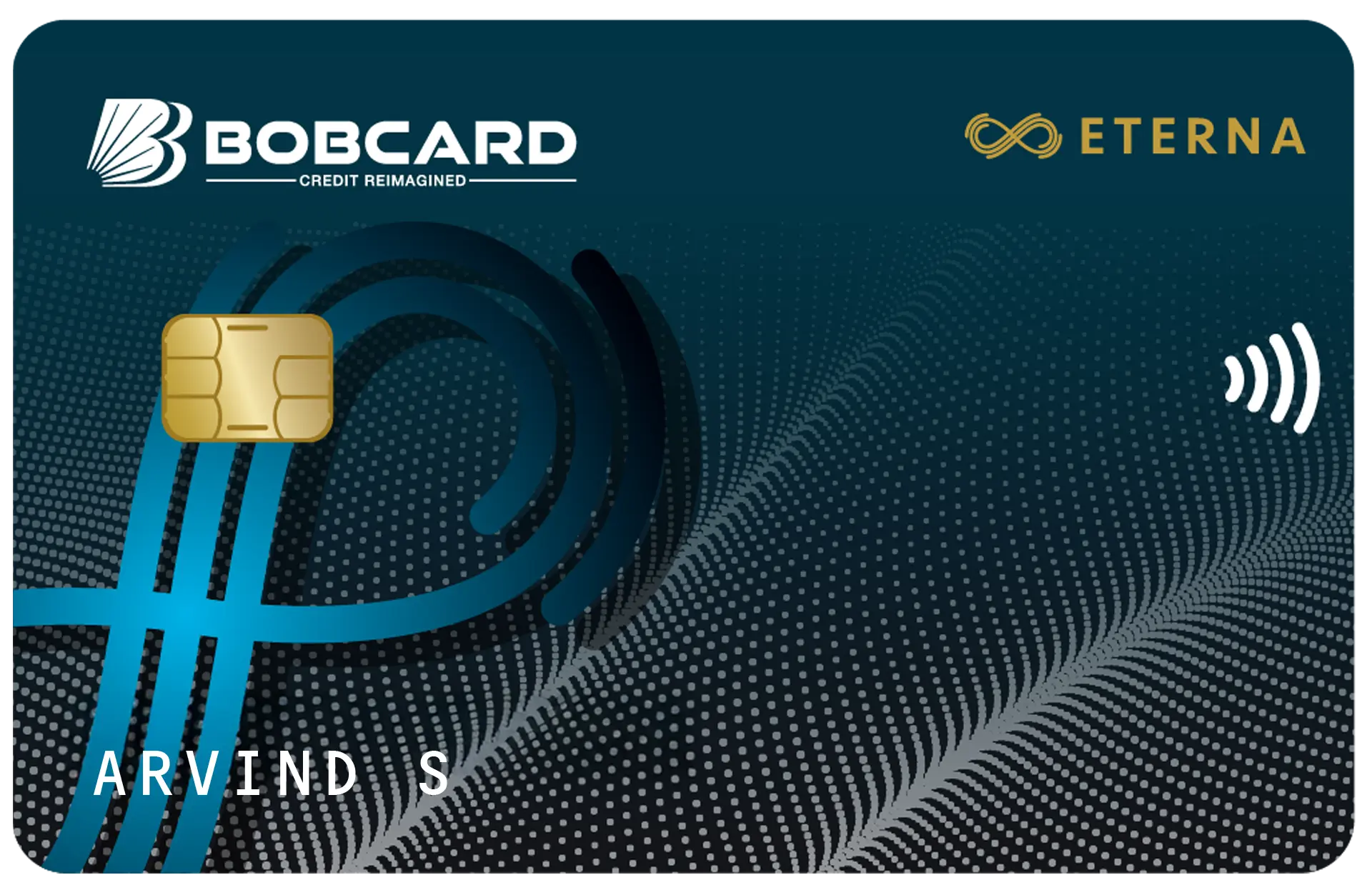
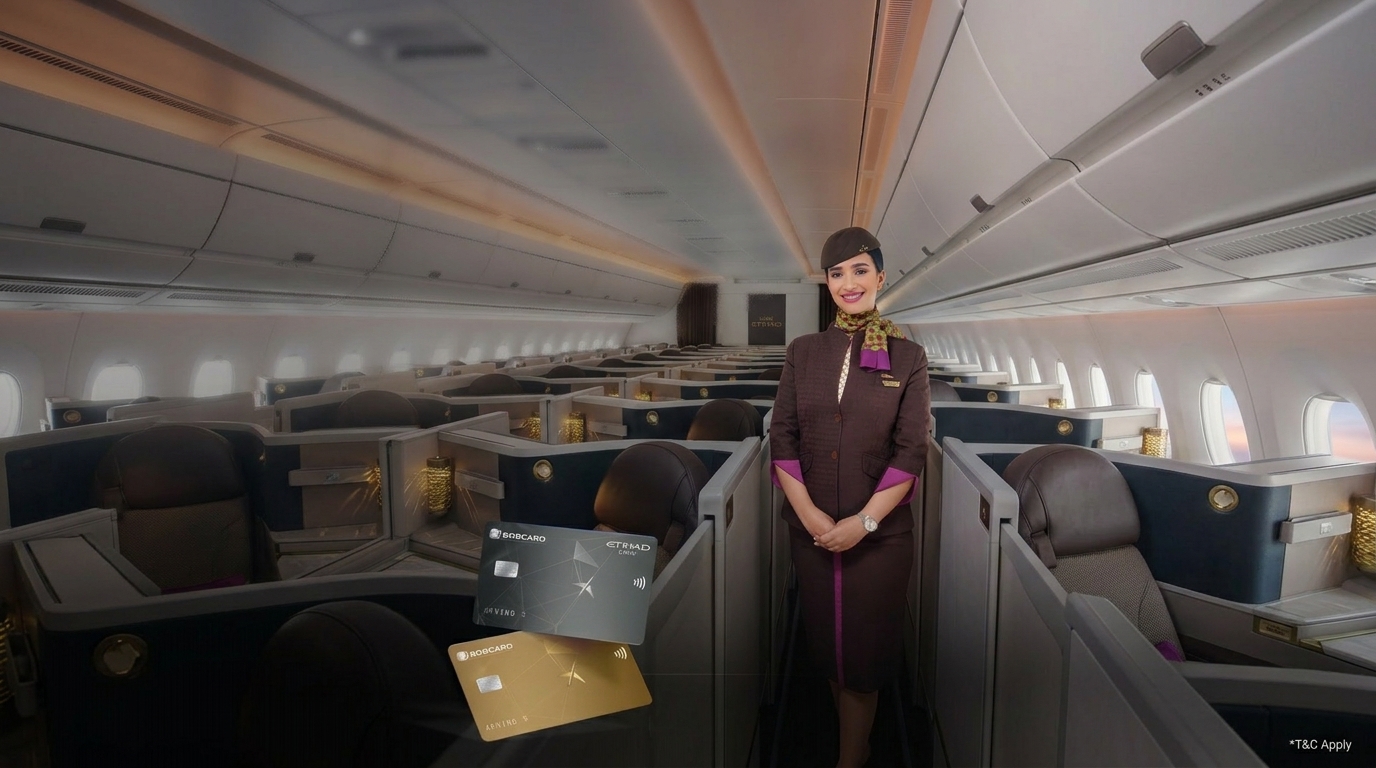
- BOBCARD Etihad Premium earns: 6 miles/₹100 on Etihad flights + milestone bonuses. At ₹1,00,000/month total card spend, approximately 53,000 miles/year are achievable - enough for one economy-to-business upgrade on a short-haul route annually.
- Status helps: Silver tier (all BOBCARD Etihad cardholders) gives priority on upgrade waitlists. Gold tier (BOBCARD Premium on first etihad.com purchase) gives higher upgrade priority.
- 18-month expiry rule: Miles expire if no qualifying activity in 18 months. Active card use resets the clock. Do not let a large balance expire before redeeming.
Using Etihad Guest Miles to upgrade your seat - or to book a higher cabin outright - is the highest-value way to redeem miles earned on the BOBCARD Etihad card. An economy seat from Mumbai to Abu Dhabi might cost ₹12,000–₹18,000 return. Business class on the same route costs ₹80,000–₹1,20,000 at revenue rates. The difference - ₹60,000–₹1,00,000 - is what a successful miles upgrade delivers in effective value. No cashback rate or reward point structure comes close to this when executed correctly.
The key word is 'correctly.' Etihad's upgrade and redemption system has conditions, availability constraints, and seat-type distinctions that determine whether you get outsized value or mediocre value from your miles. This guide explains the mechanics.
Understanding Etihad's Two Seat Types
Every Etihad award booking uses one of two seat types, and understanding the difference is the foundation of good miles redemption.
GuestSeats
GuestSeats are Etihad's equivalent of 'saver' award seats - a limited number of seats per flight set aside specifically for miles redemptions. They require significantly fewer miles than OpenSeats on the same flight. GuestSeat availability is limited and subject to Etihad's revenue management. On popular routes like India–Abu Dhabi during peak travel periods, GuestSeats may be unavailable for weeks at a time.
OpenSeats
OpenSeats use dynamic pricing - any unsold seat on a flight can potentially be redeemed for miles, but the miles cost fluctuates based on the revenue fare. On a flight where the business class seat costs ₹1,00,000, the OpenSeat redemption cost in miles is high. On a flight with low business class occupancy, OpenSeats can offer reasonable value. OpenSeats always require more miles than GuestSeats for the same route and cabin.
Practical implication: Always search for GuestSeat availability first. If no GuestSeats are available on your preferred dates, either adjust dates (GuestSeat availability changes as the flight date approaches) or evaluate OpenSeat pricing to see if the miles-to-value ratio still makes sense.
How Upgrades Work: The Two Mechanisms

Mechanism 1: Book a Higher Cabin with Miles (Award Redemption)
This is the cleanest approach - rather than upgrading an existing economy ticket, you book the business or first class seat directly using miles as the 'payment.' You still pay the taxes and carrier surcharges in cash (typically ₹3,000–₹8,000 per person for India–Middle East routes), but the seat itself is covered by miles.
The advantage: you know exactly what you are getting and can plan the trip around the miles redemption. The search process is on etihad.com - log in with your Etihad Guest account, select 'Redeem Miles' as the payment method, and the site shows available GuestSeats and OpenSeats with their respective miles costs.
Mechanism 2: Upgrade an Existing Revenue Ticket
If you have already purchased an economy ticket, Etihad offers upgrade opportunities through two channels: a bid programme (Etihad's version of 'bid for an upgrade' closer to departure) and a direct miles-based upgrade. The miles cost for upgrading an existing ticket varies by fare class, route, and availability. Check your eligibility at etihad.com after booking your ticket - the upgrade option appears in the 'Manage My Booking' section.
Important condition: Not all economy fare classes are upgradeable. The cheapest economy fares (typically fare class Y or lower) are often not eligible for upgrade using miles. If upgradeability is important to you, book an economy fare class that permits upgrade - typically the mid-tier fare codes. Check at the time of booking.
Indicative Miles Required: India Routes

Etihad does not publish a fixed award chart in the traditional sense - costs vary by seat type, route distance, availability, and travel dates. The figures below are indicative estimates based on community reports and available data at time of writing. Always verify the current cost at etihad.com before planning a redemption.
| Route | Cabin | Approximate GuestSeat Cost (one-way) | Notes |
|---|---|---|---|
| Mumbai / Delhi / BLR → Abu Dhabi (AUH) | Economy to Business | 20,000–30,000+ miles | Direct Etihad routes. GuestSeat availability variable. |
| India → Abu Dhabi (AUH) | Economy class | 12,000–16,000 miles | Direct booking in economy cabin. |
| India → London (LHR) via AUH | Business class | 40,000–60,000+ miles | Via Abu Dhabi. Premium cabin on long-haul. |
| India → New York (JFK) via AUH | Business class | 50,000–70,000+ miles | One of the longest routes. High miles requirement. |
| India → Colombo (via SriLankan partner) | Economy | ~6,000 miles | Partner airline. Popular India-region sweet spot. |
| India → Colombo (via SriLankan partner) | Business | ~20,000 miles | Good value on short India-Sri Lanka hop. |
IMPORTANT: All figures are indicative estimates based on community reports and historical data. Actual miles required must be checked at etihad.com for your specific route, date, and seat type. GuestSeat availability changes daily. OpenSeat pricing is dynamic and can be significantly higher. Last verified: 9 May 2026.
How Many Miles You Realistically Earn from India
The BOBCARD Etihad Guest Premium card is the primary earning vehicle in India. Here is a realistic annual accumulation estimate for three spending profiles.
| Spend Profile | Monthly Card Spend | Annual Base Miles | Milestone Bonuses | Total Annual Miles |
|---|---|---|---|---|
| Light - bills and dining only | ₹20,000 | 4,800 miles | Monthly: 0 / Quarterly: 0 / Annual: 0 | 4,800 miles |
| Regular urban professional | ₹50,000 | 12,000 miles | Monthly: 500×12=6,000 / Quarterly: 0 / Annual: 0 | 18,000 miles |
| High spender - routes all expenses | ₹1,00,000 | 24,000 miles | Monthly: 500×12=6,000 / Quarterly: 4,000×4=16,000 / Annual: 24,000 | 70,000 miles |
Excludes welcome miles (15,000 in Year 1) and Etihad flight-specific earn (6 miles/₹100). Add these for complete picture.
The high-spending profile accumulates approximately 70,000 miles per year from BOBCARD spend alone - enough for one business class GuestSeat upgrade on an India–Abu Dhabi route (approximately 20,000–30,000 miles) and one additional award economy booking on a partner route.
Status and How It Helps with Upgrades
Every BOBCARD Etihad cardholder receives Etihad Guest Silver tier on their first transaction. Silver status gives 25% bonus miles on Etihad flights (on top of base ticket earning), priority check-in, priority boarding, and extra baggage - but not lounge access on the ground at Abu Dhabi or other Etihad hubs.
BOBCARD Etihad Guest Premium cardholders who make a purchase on etihad.com receive Gold tier status. Gold adds 50% bonus miles on flights, Etihad Lounge access, Zone 2 boarding, and higher priority on upgrade waitlists. For cardholders who are upgrading via the waitlist mechanism, Gold status meaningfully increases the probability of a successful upgrade on a busy flight.
The 18-Month Expiry: The Rule That Catches People Out
Etihad Guest Miles expire 18 months after they are earned if there is no qualifying activity on the account. Qualifying activity includes: flying on Etihad or a partner airline, or making a transaction on a Miles-earning partner (including BOBCARD Etihad card spend).
Practical implication for BOBCARD holders: As long as you use your BOBCARD Etihad card for any eligible purchase at least once every 18 months, your miles balance is preserved. The simplest approach: set a calendar reminder every 12 months to make a purchase on the card if you have not used it recently.
The expiry risk is highest for cardholders who accumulated a large welcome miles balance and then stopped using the card. A 15,000-mile welcome bonus that expires unused represents approximately ₹7,500–₹10,500 in unrealised upgrade value.
Frequently Asked Questions
Disclaimer: This article is for informational purposes only and does not constitute financial advice. All card features, fees, and benefits are subject to change. Data sourced from bobcard.co.in, BOBCARD MITC Ver 19 (April 2026), and third-party sources as cited. Refer to bobcard.co.in/MITC before making any financial decision. BOBCARD Limited is a 100% subsidiary of Bank of Baroda, RBI-regulated.