












Table of Contents
- 1. Key Takeaways
- 2. Why Income Proof Is Not Always Required
- 3. Route 1: FD-Backed Secured Credit Card (Most Reliable)
- 4. Route 2: Pre-Approved Offer from Your Savings Bank
- 5. Route 3: Add-On Card on a Family Member's Primary Card
- 6. Route 4: Bank Statement as Proxy Income (Self-Employed & Freelancers)
- 7. Step-by-Step: How to Get an FD-Backed Card
- 8. Frequently Asked Questions
Key Takeaways
- 4 routes to a credit card without income proof: FD-backed card, pre-approved savings account offer, add-on card, and bank statement as proxy income.
- FD-backed cards: Guaranteed approval - no salary slip, no ITR, no credit score required. Minimum FD as low as ₹5,000 (IDFC FIRST WOW!).
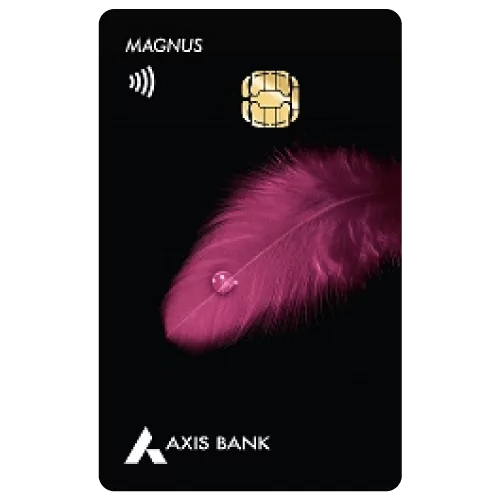
- Pre-approved offers: Maintain ₹10,000+ average balance in HDFC, ICICI, Kotak, or Axis account - the bank may extend a card with zero documentation.
- Your FD continues earning interest while the credit card is active.
- After 12–18 months of responsible use, most banks convert FD-backed cards to unsecured and return the FD.
- Who can use these routes: Students, homemakers, freelancers, self-employed individuals, retirees - anyone without formal salary slips.
Why Income Proof Is Not Always Required
Banks require income proof because they want assurance you can repay what you borrow. A salary slip is the most common form of that assurance - but it is not the only one.
Banks also accept evidence that you have savings to cover repayments, or that your spending behaviour is financially stable. In 2026, four reliable routes exist in India that bypass the income proof requirement entirely.
Route 1: FD-Backed Secured Credit Card (Most Reliable)
How It Works
You open a Fixed Deposit with a bank. The bank holds your FD as collateral and issues a credit card with a limit of 80–90% of the FD value.
No salary slip. No ITR. No credit score needed. Your FD continues earning interest the entire time the card is active.
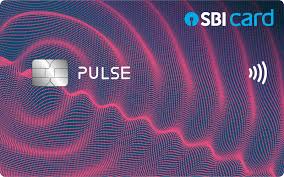
Example: Open ₹20,000 FD with SBI. SBI issues you the SBI Card Unnati with a credit limit of ₹18,000. You use the card normally, pay bills on time, and your CIBIL score builds. After 4 years, the bank may convert your card to unsecured and return the FD.
Best FD-Backed Cards in India 2026
| Card | Bank | Min FD Required | Annual Fee | Key Benefit |
|---|---|---|---|---|
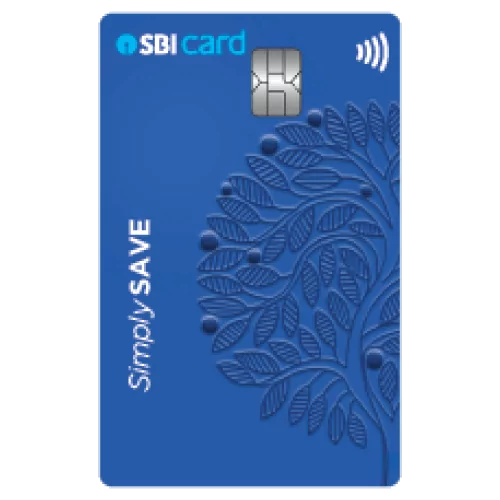
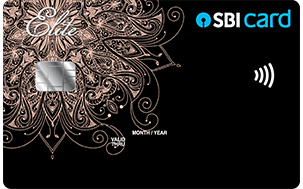
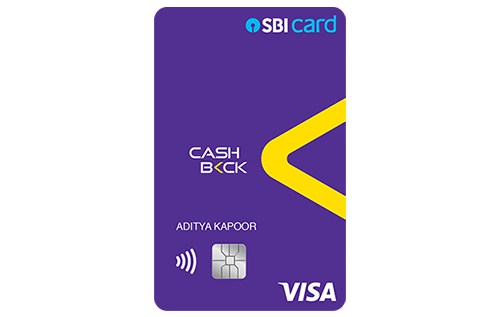
| SBI Card Unnati | SBI | ₹25,000 | Nil (4 years), ₹499 from 5th year | Zero-cost entry; 1 RP/₹100 on all spends |
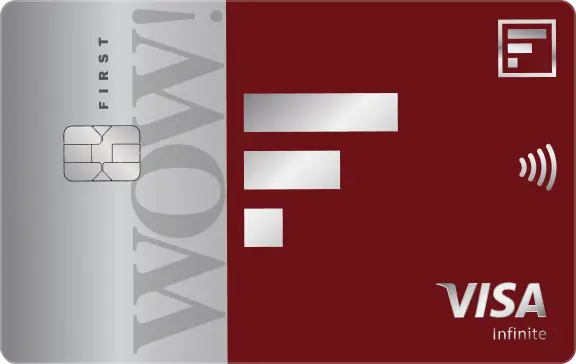
| IDFC FIRST WOW! | IDFC FIRST Bank | ₹5,000 | Lifetime Free | Zero forex markup - best for students and travellers |
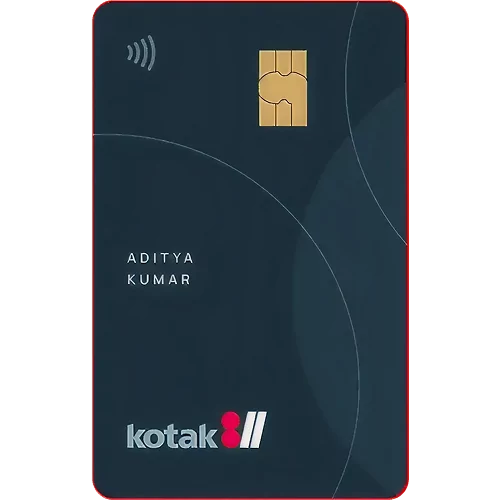
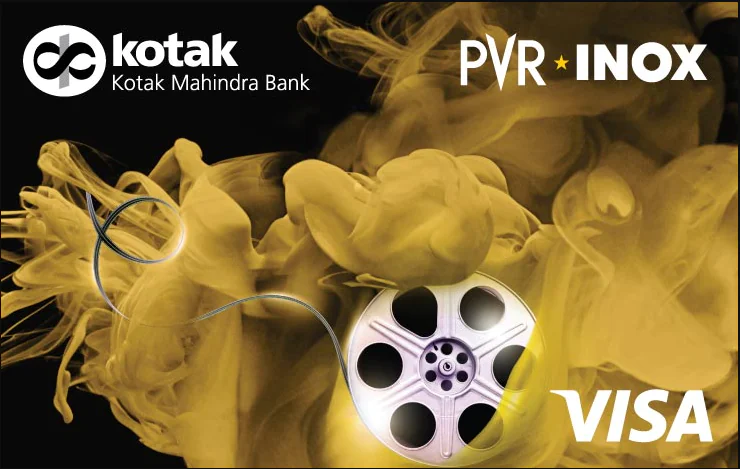
| Kotak 811 DreamDifferent | Kotak Mahindra Bank | ₹10,000 | Lifetime Free | 2% cashback online; 1% offline |
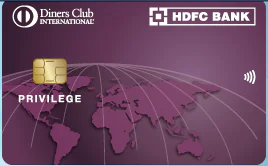
| HDFC FD-Backed Card | HDFC Bank | ₹10,000 | Varies by variant | Strong HDFC ecosystem; 500 CashPoints welcome |
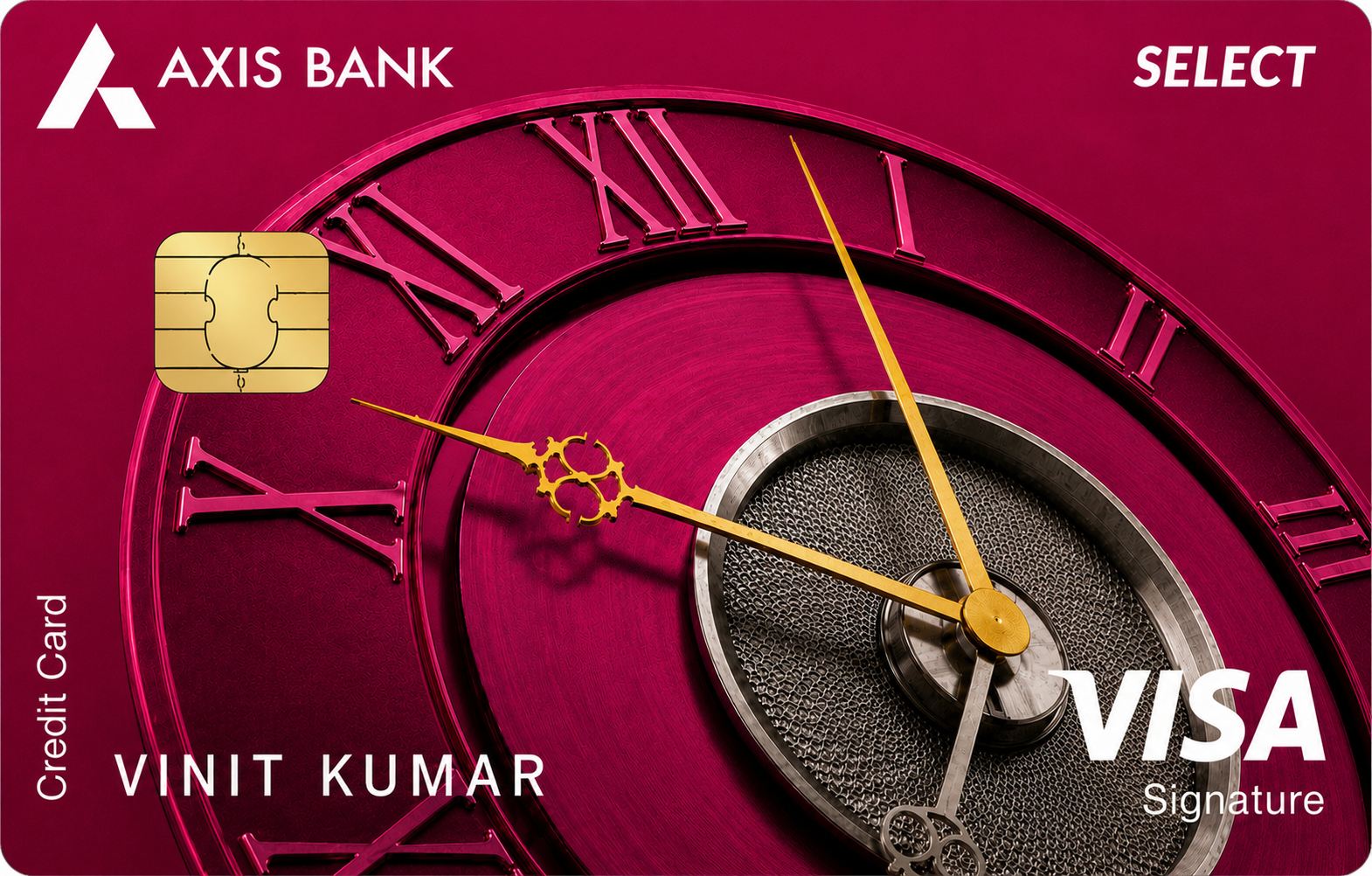
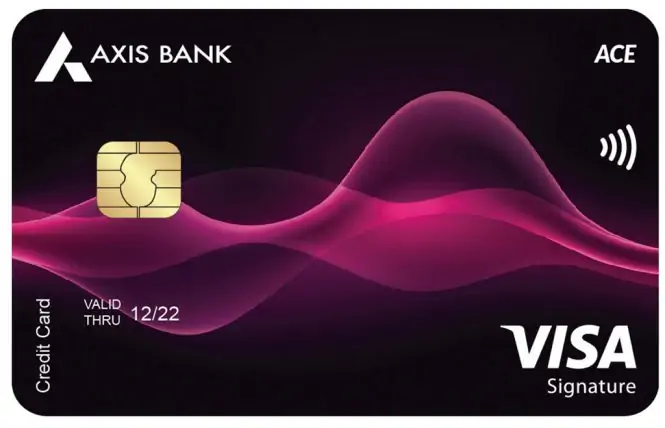
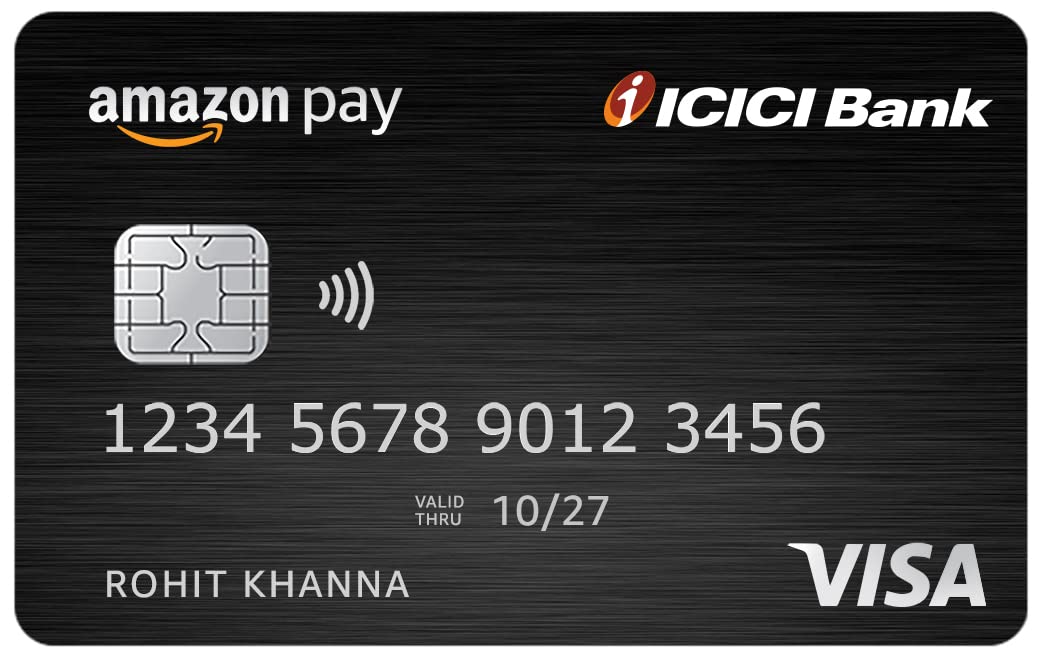
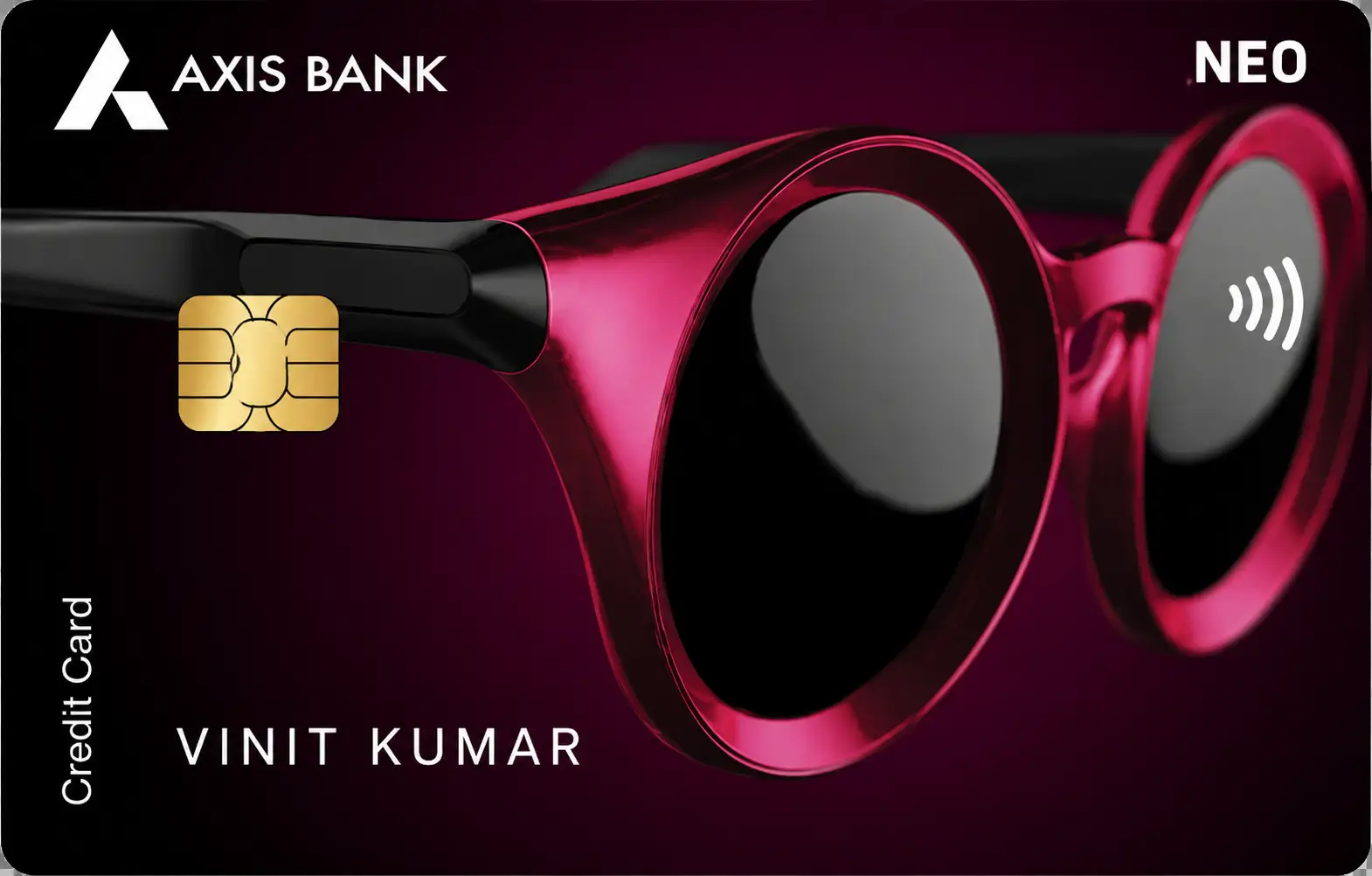
| Axis Bank Insta Easy | Axis Bank | ₹20,000 | ₹500 (waived on ₹50,000 spend) | Visa network; good for everyday spends |
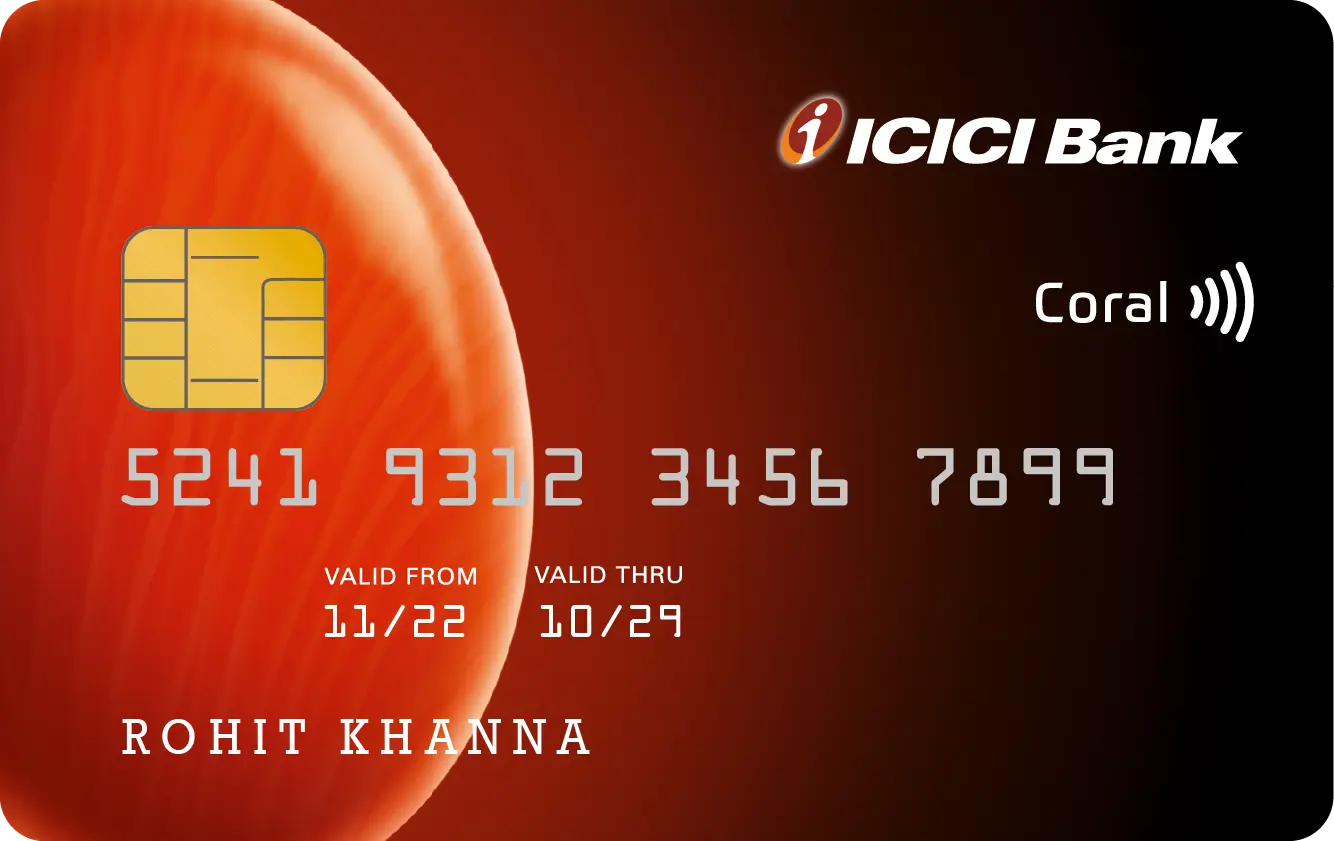
| ICICI Bank Instant Platinum | ICICI Bank | ₹50,000 | Lifetime Free | ICICI ecosystem; 2 RP/₹100 |
Note: Minimum FD amounts and fees are subject to change. Verify with the respective bank before applying.
Pros and Cons of FD-Backed Cards
Advantages:
- Near-guaranteed approval regardless of income level or credit history
- FD keeps earning interest (typically 5–7% p.a.) while card is active
- Builds CIBIL score - timely payments are reported to credit bureaus
- Banks often convert to unsecured card after 12–18 months of good repayment and return the FD
- Credit limit grows if you increase your FD amount
Limitations:
- FD amount is locked - cannot withdraw while card is active
- Credit limit capped at 80–90% of FD - lower spending power than income-based cards
- Bank can seize FD if you default on card payments
- Lower rewards compared to premium unsecured cards
Route 2: Pre-Approved Offer from Your Savings Bank
How It Works
If you maintain a savings account with a balance and transaction history the bank considers healthy, the bank may extend a pre-approved credit card offer - with no salary slip or ITR required.
The bank already sees your income pattern from account credits.
Pre-approved offers appear in your net banking portal or mobile app under Cards > Credit Cards. Banks most proactive about this: HDFC Bank (fastest), ICICI Bank, Kotak Mahindra Bank, and Axis Bank.
What Banks Look for in Pre-Approval
- Average monthly balance above ₹10,000–₹20,000
- Regular credits (salary or business inflows) visible in account
- No cheque bounces or negative balance incidents in last 6 months
- Existing relationship with the bank (account open for 6+ months)
| Bank | Where to Check for Pre-Approved Offer |
|---|---|
| HDFC Bank | NetBanking > Cards > Credit Cards > Check pre-approved offers |
| ICICI Bank | iMobile App > Cards > Apply for Credit Card > Check eligibility |
| Kotak Mahindra | Kotak Mobile Banking App > Cards > Pre-approved offers |
| Axis Bank | Axis Mobile App > Credit Cards > Check eligibility |
| Bank of Baroda | BOB World App > Cards > Pre-approved offers |
Route 3: Add-On Card on a Family Member's Primary Card
If a family member (spouse, parent, sibling, or adult child) holds a credit card, you can request an add-on (supplementary) card on their account.
No income proof is required for the add-on cardholder - the primary cardholder's creditworthiness covers the account.
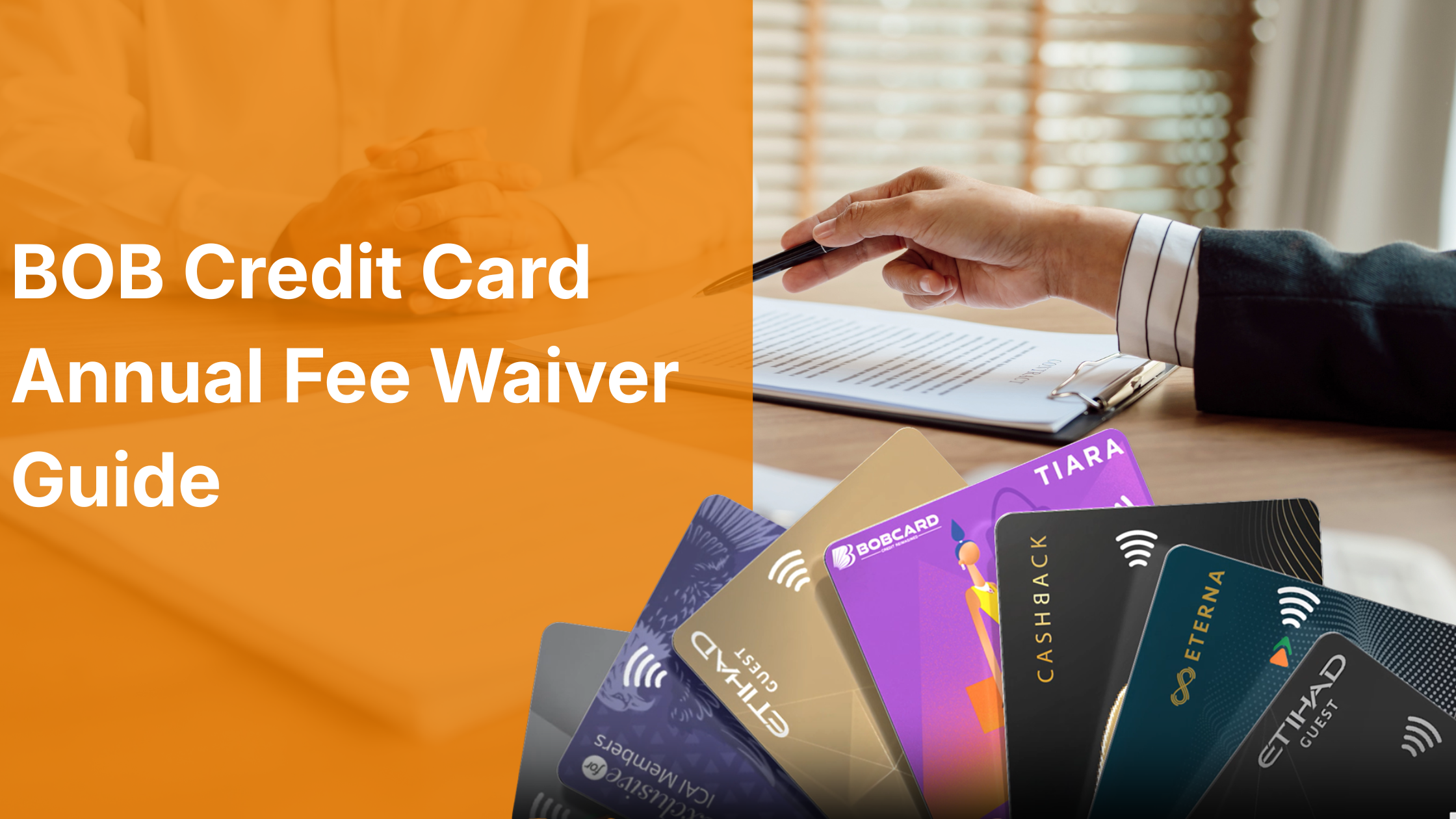
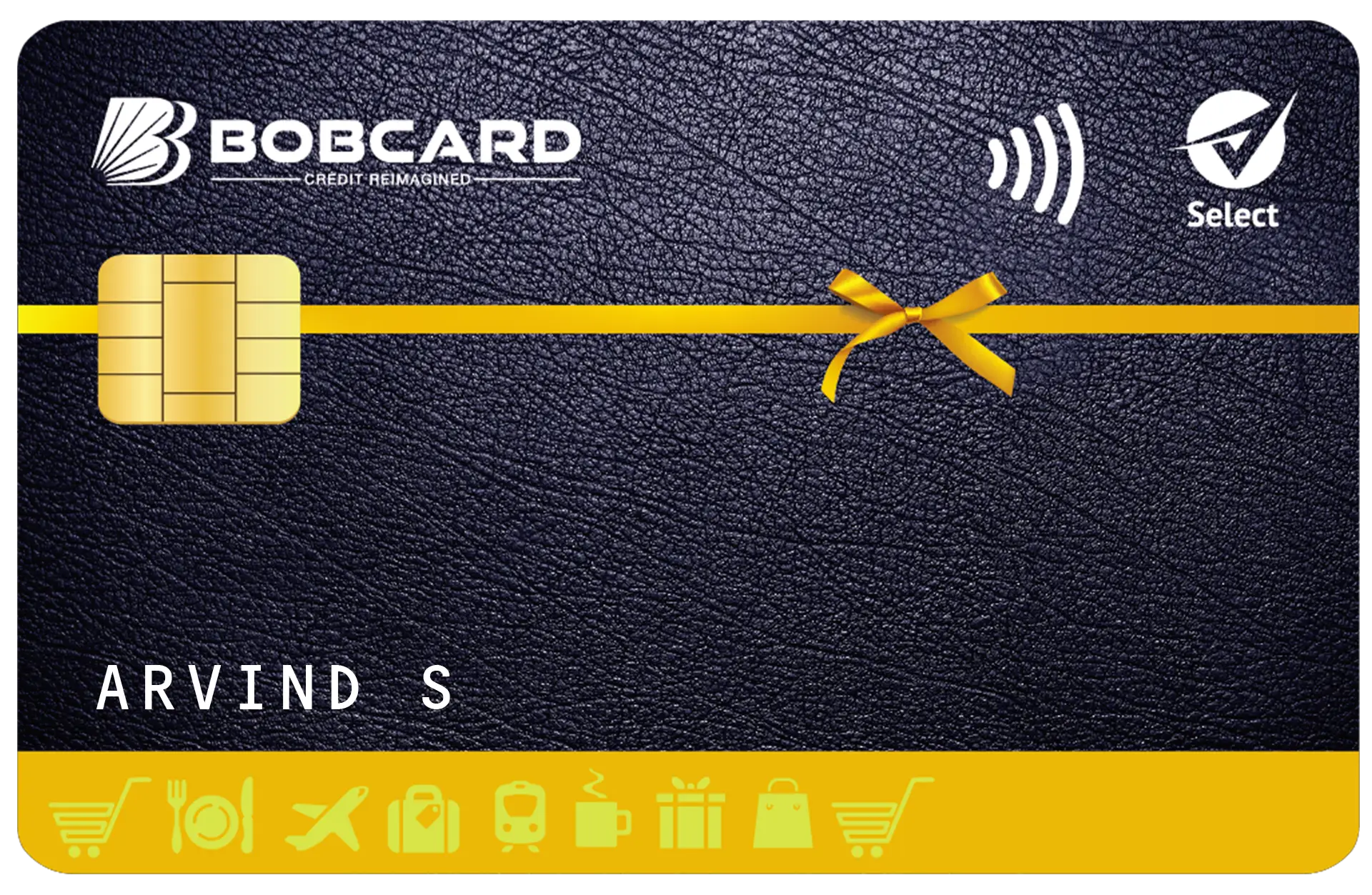
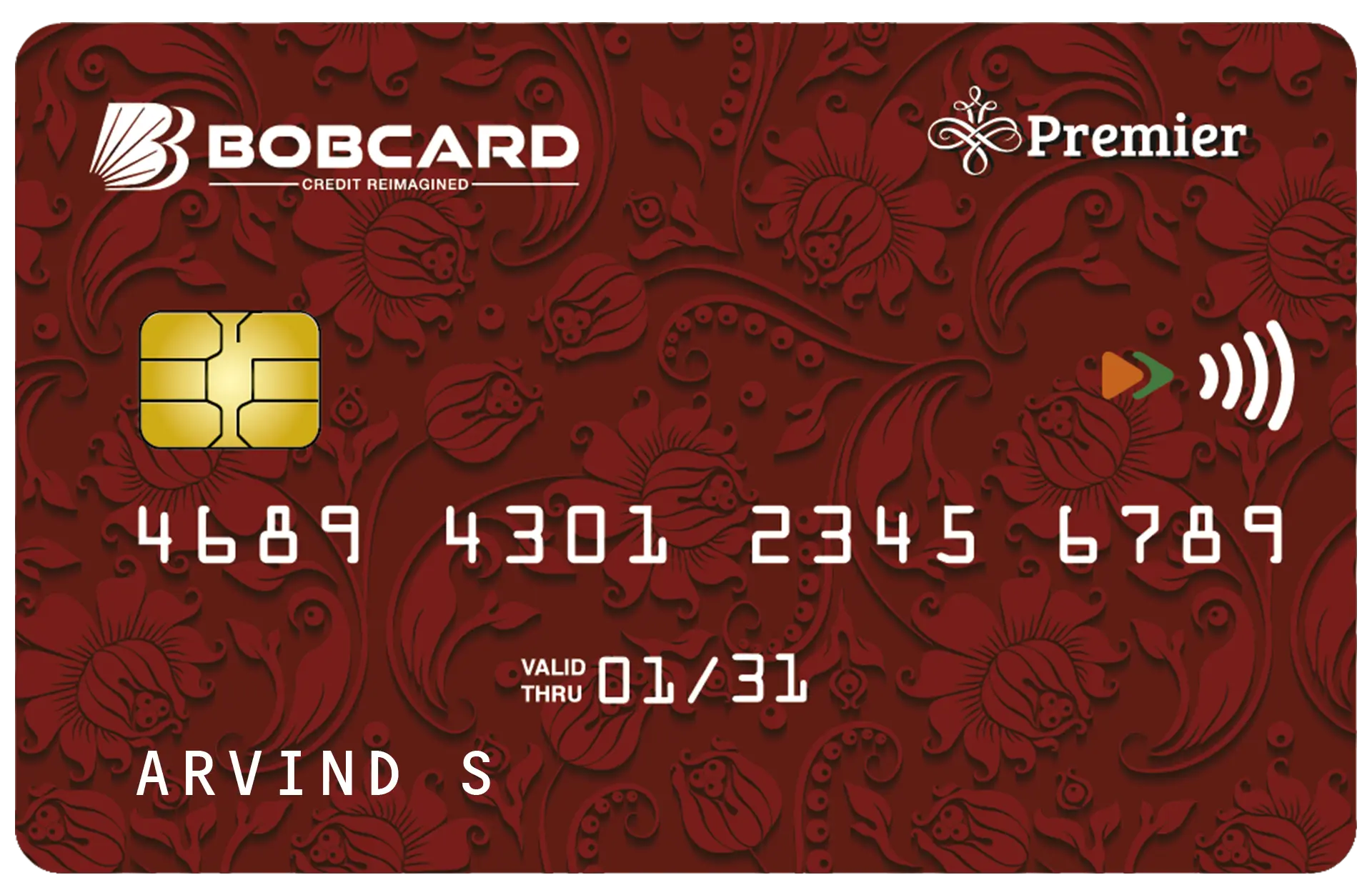
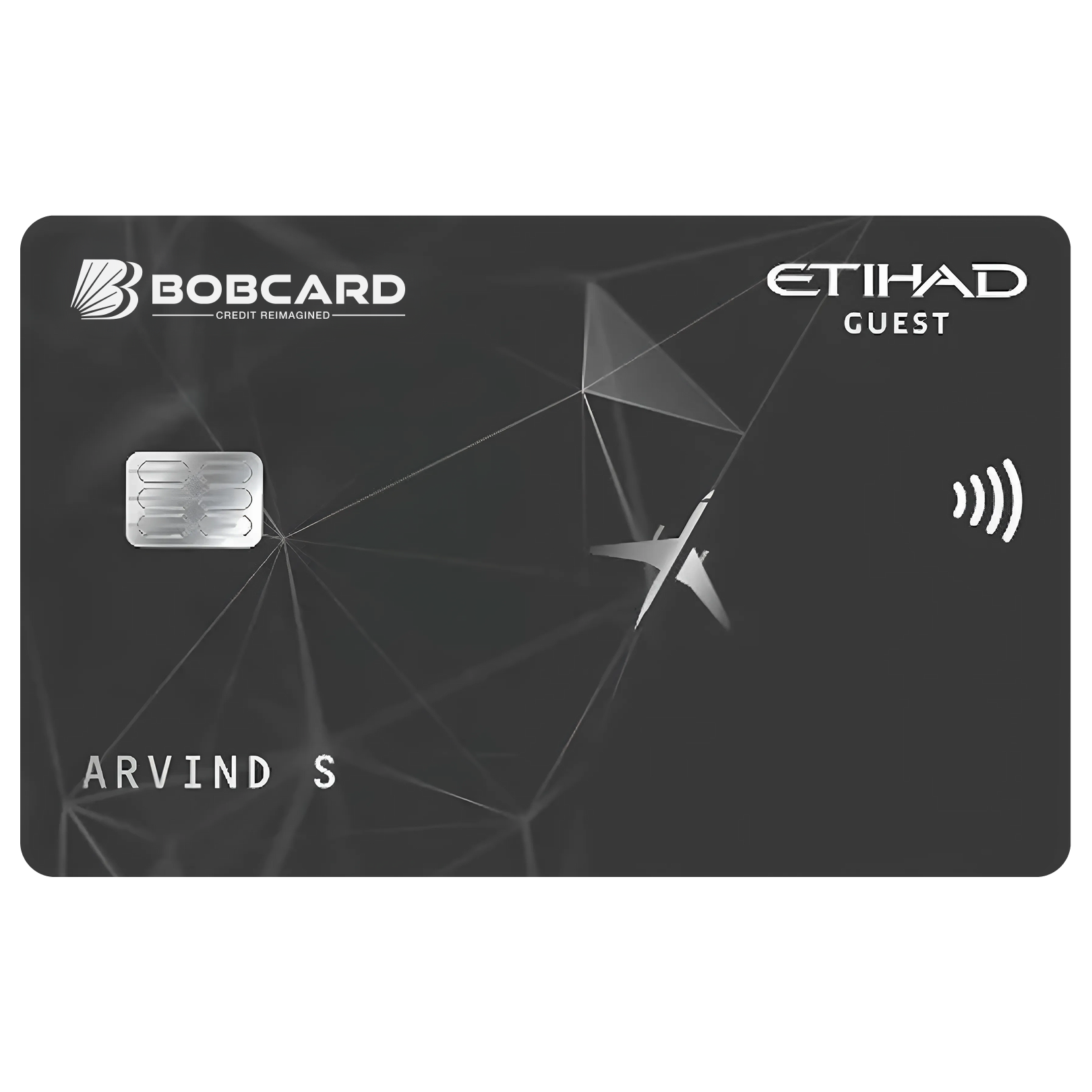
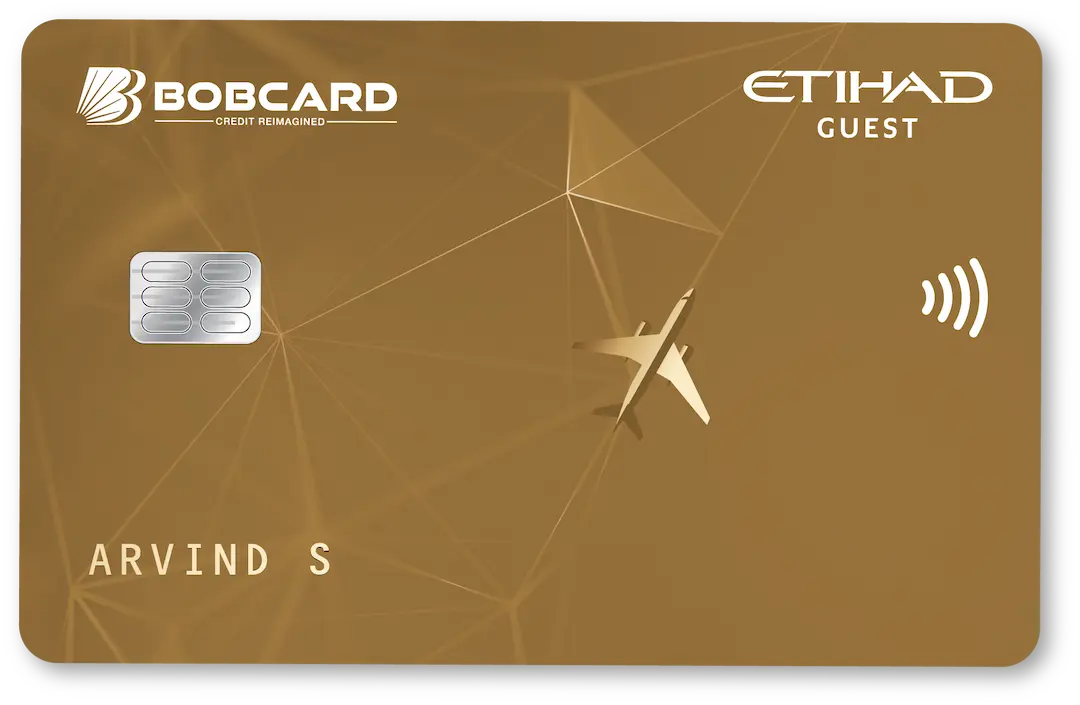
Note on BOBCARD Add-On Cards: BOBCARD allows up to 3 add-on cards per primary account (lifetime free). However, add-on cardholders are NOT eligible for complimentary lounge access on any BOBCARD variant - only the primary cardholder qualifies.
Route 4: Bank Statement as Proxy Income (Self-Employed & Freelancers)
Many banks accept a 6-month bank statement showing regular business inflows as an alternative to salary slips.
A healthy statement with consistent monthly credits - even from freelance payments or business receipts - can satisfy income verification for entry-level and mid-tier cards.
| Income Type | Accepted Proof | Typical Minimum Requirement |
|---|---|---|
| Salaried | Salary slips (last 3 months) + bank statement | ₹15,000–₹25,000/month depending on card |
| Self-employed | ITR (last 2 years) + CA-certified P&L | ₹3–6L annual ITR depending on card |
| Freelancer | Bank statement (6 months) showing consistent credits | ₹15,000/month average credits |
| Homemaker | No income needed - use FD-backed or add-on card route | N/A |
| Student | No income needed - use FD-backed card | FD of ₹5,000–₹10,000 |
| Retired | Pension statement or FD-backed card | Varies - pension letter accepted by most banks |
Step-by-Step: How to Get an FD-Backed Card
- Choose your bank: Open an FD with a bank where you want the credit card. SBI, HDFC, ICICI, Kotak, IDFC FIRST, and Axis all offer FD-backed cards.
- Open the FD: Minimum amounts vary - ₹5,000 (IDFC FIRST WOW!), ₹10,000 (Kotak, HDFC), ₹25,000 (SBI). Tenure: typically 6 months minimum.
- Apply for the secured card: Visit branch, apply via net banking, or use the bank app. Link your FD to the credit card application.
- Submit KYC documents: Aadhaar and PAN card. No salary slip or ITR needed.
- Receive your card: Typically within 7–10 working days. Activate via the bank app or net banking.
- Use responsibly: Keep utilisation below 30% of limit. Pay the full balance before the due date every month.
- Upgrade after 12–18 months: Once your CIBIL score reaches 700–750, apply for an unsecured card or wait for the bank to proactively convert and release your FD.
Not having income proof does not mean you cannot get a credit card in India in 2026.
The FD-backed route offers near-guaranteed approval from as little as ₹5,000 in deposit, builds your credit history from day one, and the FD keeps earning interest throughout.
Use it as a stepping stone - 12–18 months of responsible usage, and you will qualify for the card you actually want.
Frequently Asked Questions
Disclaimer: This article is for informational purposes only and does not constitute financial advice. Card features, fees, and benefits are subject to change without notice. BOBCARD cards are issued by BOBCARD Limited (formerly BOB Financial Solutions Limited), a 100% subsidiary of Bank of Baroda, an RBI-regulated entity. Readers should refer to the respective Most Important Terms and Conditions (MITC) on official bank websites before making any financial decision. Data last verified: May 2026.