
























Table of Contents
India's Credit Card Industry Is Pivoting to EMI and UPI - Here Is What Every Cardholder Needs to Know
India's second-largest credit card issuer formally withdrew its receivables growth guidance and pivoted to EMI lending - a signal that changes how every cardholder, including BOBCARD holders, should think about spending and repayment.
KEY TAKEAWAYS
- SBI Cards reports revolver (revolving credit) rate fell to 23% in Q4 FY2026 - its lowest in years. Banks are actively replacing this lost revenue with EMI growth.
- UPI credit card usage grew 20% quarter-on-quarter at SBI Cards. RuPay credit cards now approach 40% of new card issuances nationally.
- UPI-linked credit card transactions make up nearly 40% of all credit card transactions by volume, driven by QR acceptance at millions of offline merchants.
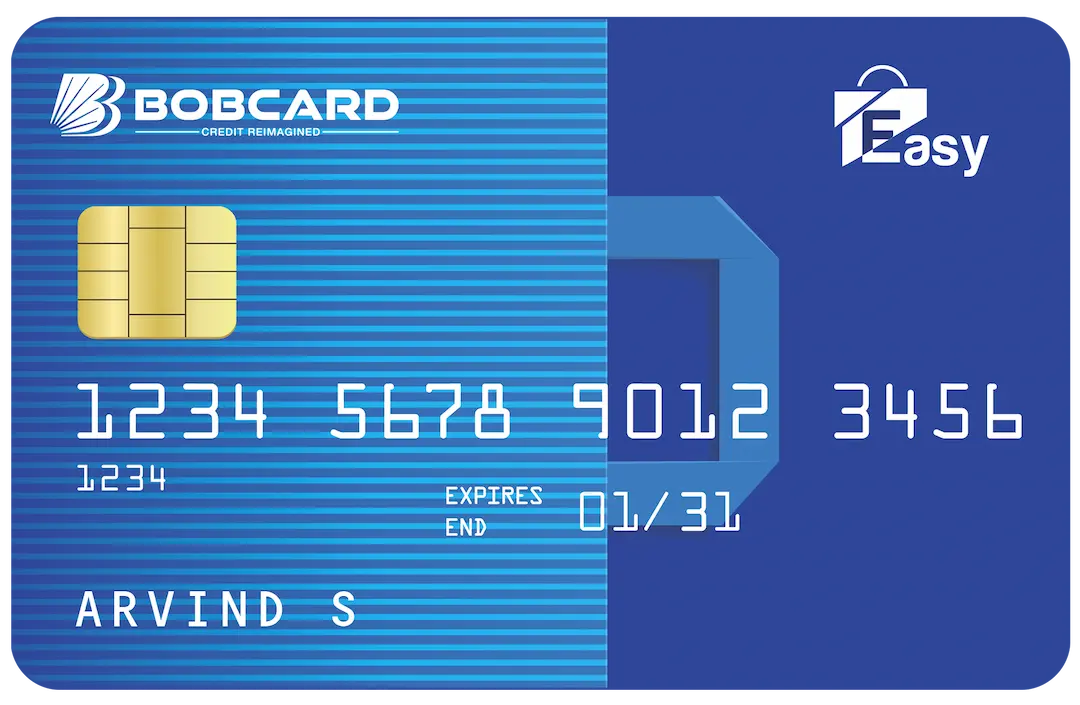
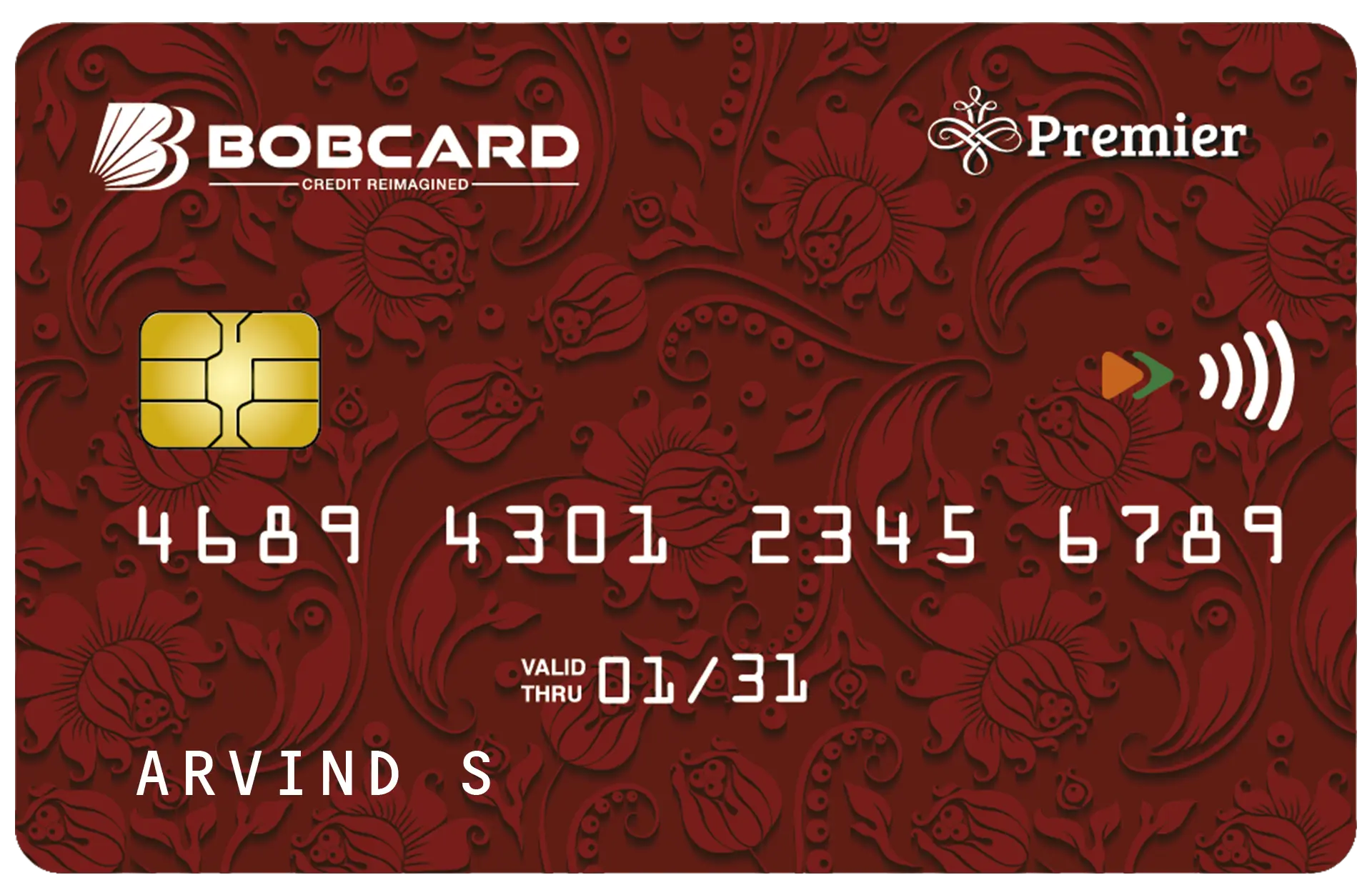
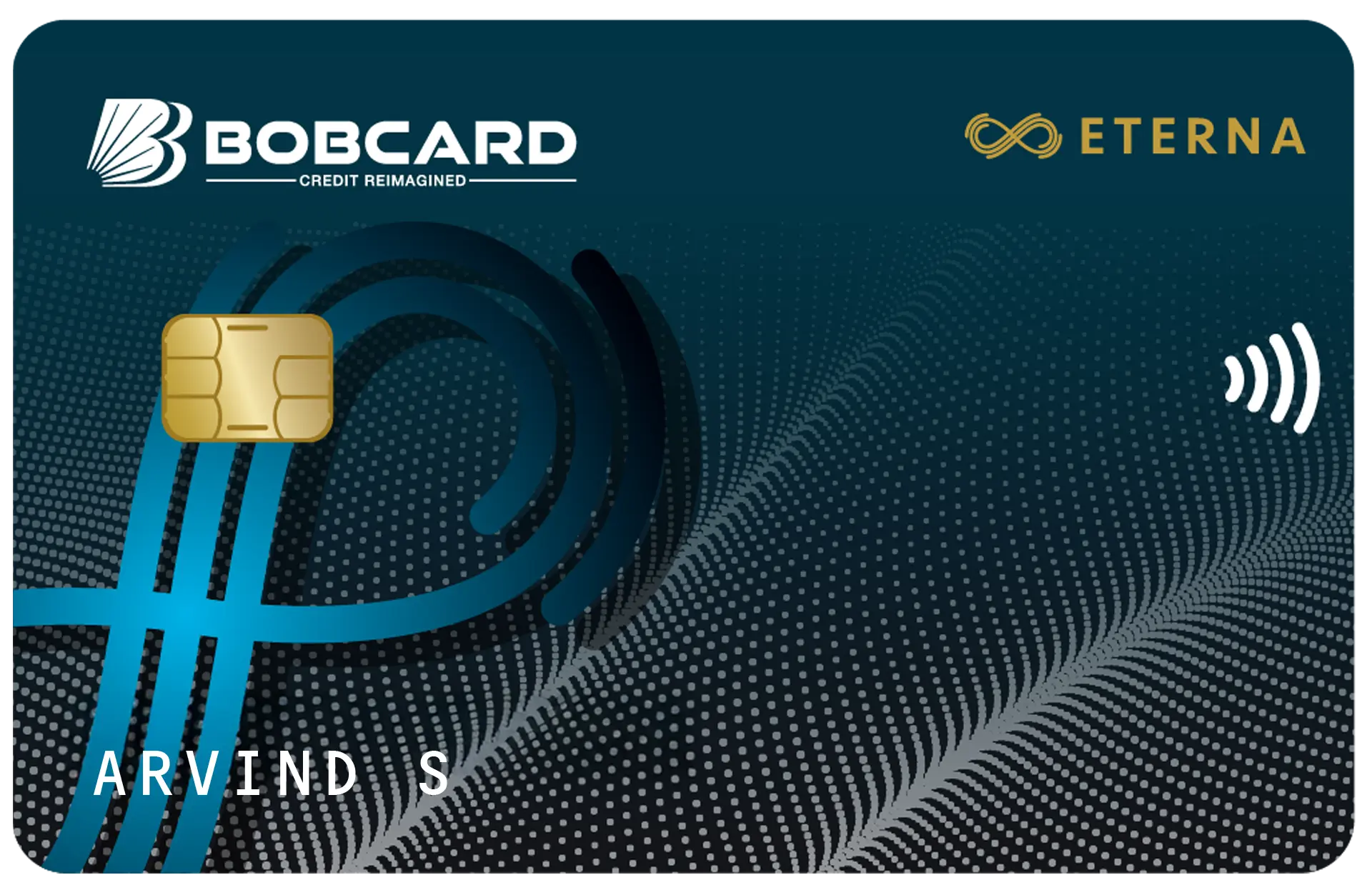
- BOBCARD Eterna's and Tiara's RuPay Select variants support UPI on GPay, PhonePe, Paytm, and BHIM - putting them squarely in the path of this growth wave.
- Smart EMI on any BOBCARD purchase above ₹2,500 lets cardholders spread costs over 6 to 48 months - the same strategic tool banks are now prioritising.
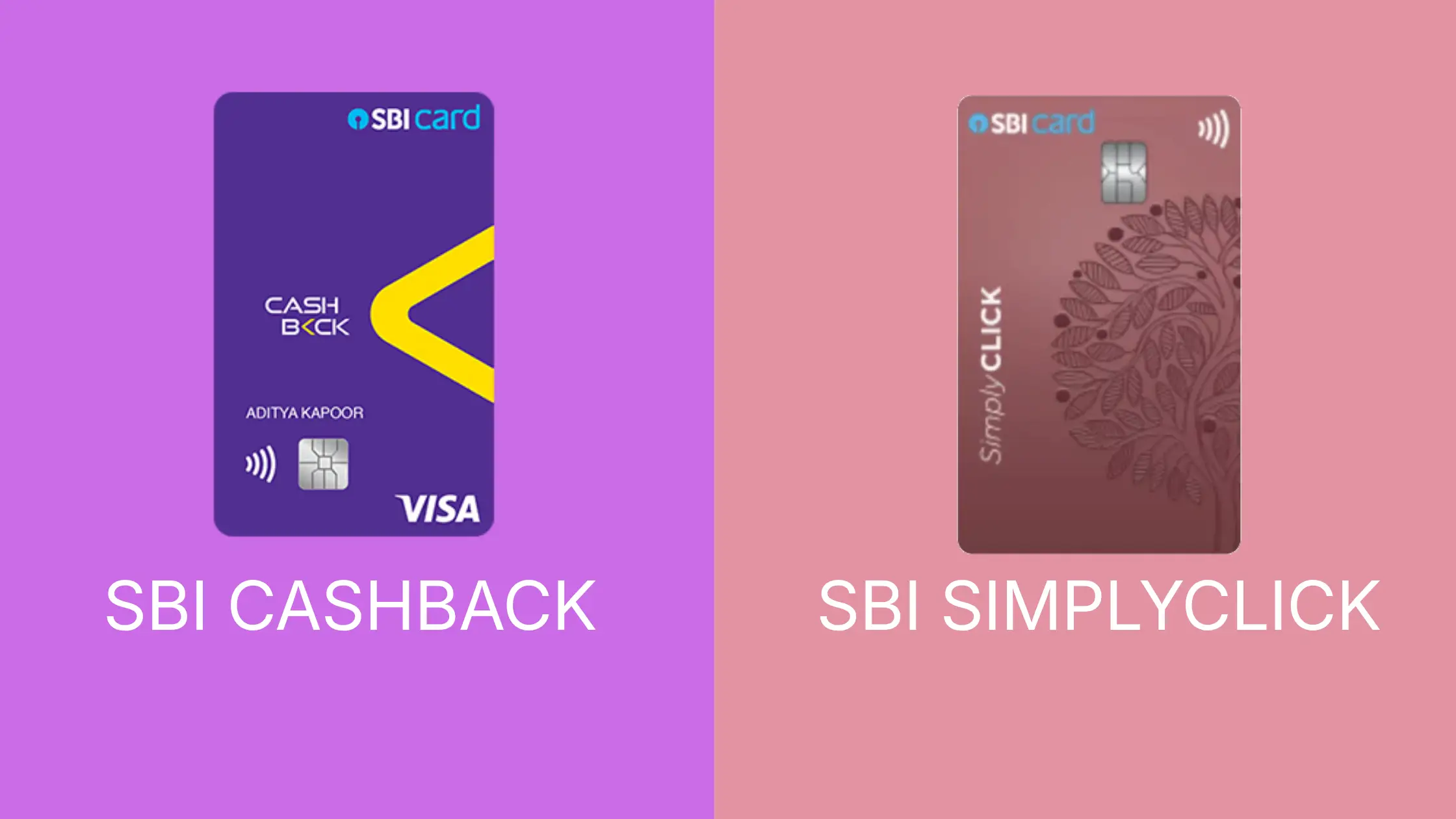
SBI Cards withdrew its receivables growth guidance this week after its revolver rate - the share of balances on which cardholders pay monthly interest - fell to 23% in Q4 FY2026, the lowest in recent years, forcing the company and the broader industry to rebuild revenue around EMI portfolios and UPI-linked spending.
In its Q4 FY2026 earnings call, SBI Cards management stated: 'With the revolver balances on a downward bias, we are focusing on prioritising growth in our EMI portfolio to expand interest-bearing assets and drive more predictable revenue streams.' The company posted a 14% rise in net profit to ₹609 crore for the quarter, but withdrew its earlier receivables growth guidance of 10–12%.
The shift affects all 111 million credit card holders in India. UPI credit card transactions already account for nearly 40% of all credit card transactions by volume nationally, according to NPCI data. RuPay credit cards - the only network that supports UPI payments - are approaching 40% of new card issuances, up from near zero three years ago.
For cardholders, this matters in two direct ways. If you are carrying a revolving balance, you are paying 3.25% to 3.75% per month - ₹1,625 to ₹1,875 on every ₹50,000 outstanding - in a market where banks are actively trying to convert you to structured EMI at lower effective rates. If you hold a RuPay credit card, the UPI infrastructure now lets you earn credit card rewards on everyday offline spending that used to earn nothing.
Why Revolving Credit Is Declining
- A revolver is a cardholder who carries an unpaid balance from one billing cycle to the next. The bank charges interest on that balance - the highest-margin product in consumer credit. But three forces have eroded the revolver pool over the past two years.
- First, rising financial literacy is pushing more cardholders to pay in full each month. Second, UPI's dominance for small-ticket daily spending means credit cards are now used more deliberately for planned purchases rather than impulse buys that slip into revolving debt. Third, post-2023 credit stress led banks to tighten underwriting, removing riskier borrowers from their portfolios.
- The result, as SBI Cards' results confirm, is a structurally thinner revolver base - and a race to replace that income with EMI revenue and higher transaction volumes.
| Metric | Data Point | Source |
|---|---|---|
| India credit cards outstanding | 111 million (mid-2025) | RBI |
| UPI monthly transactions (Dec 2025) | 21.63 billion - record high | NPCI |
| UPI credit card tx share by volume | ~40% of all credit card txns | NPCI / industry reports |
| RuPay share of new card issuances | Approaching 40% | Storyboard18 / industry report |
| SBI Cards revolver rate Q4 FY2026 | 23% - multi-year low | SBI Cards earnings call |
| EMI share in electronics purchases | 36% of all purchases | Phi Commerce, May 2026 |
| EMI share in govt/utility payments | 34% of transactions | Phi Commerce, May 2026 |
Last verified: 5 May 2026. Sources cited in table.
Why UPI Is Now the Credit Card Delivery Layer
India had 420 million unique UPI users as of 2025 - four times the credit card base of roughly 110 million cardholders. For credit cards to grow, they cannot wait for new users to walk into a bank branch. They need to be embedded into what 420 million people already do every day: scan a QR code.
That is exactly what RuPay credit cards on UPI have done. By linking a credit card to GPay, PhonePe, Paytm, or BHIM, cardholders can pay at any of India's hundreds of millions of QR-enabled merchants - from kirana stores to petrol pumps - using their credit limit. No physical card. No POS terminal required. You can even pay your credit card bill using UPI.
The result is a behavioural shift tracked in hard data. UPI-linked credit card transactions now make up nearly 40% of all credit card transactions by volume. Average UPI transaction size dropped to ₹1,293 in December 2025, signalling that credit cards are being used for small, frequent, everyday purchases for the first time at scale - a pattern previously exclusive to debit cards.
A Phi Commerce industry report published in May 2026 captured the shift precisely: evenings now see credit cards account for 72% of high-value retail transactions, while UPI dominates daytime small-ticket spending. The two are no longer competing. They are complementary layers of the same payment stack.
How BOBCARD Is Positioned for This Shift

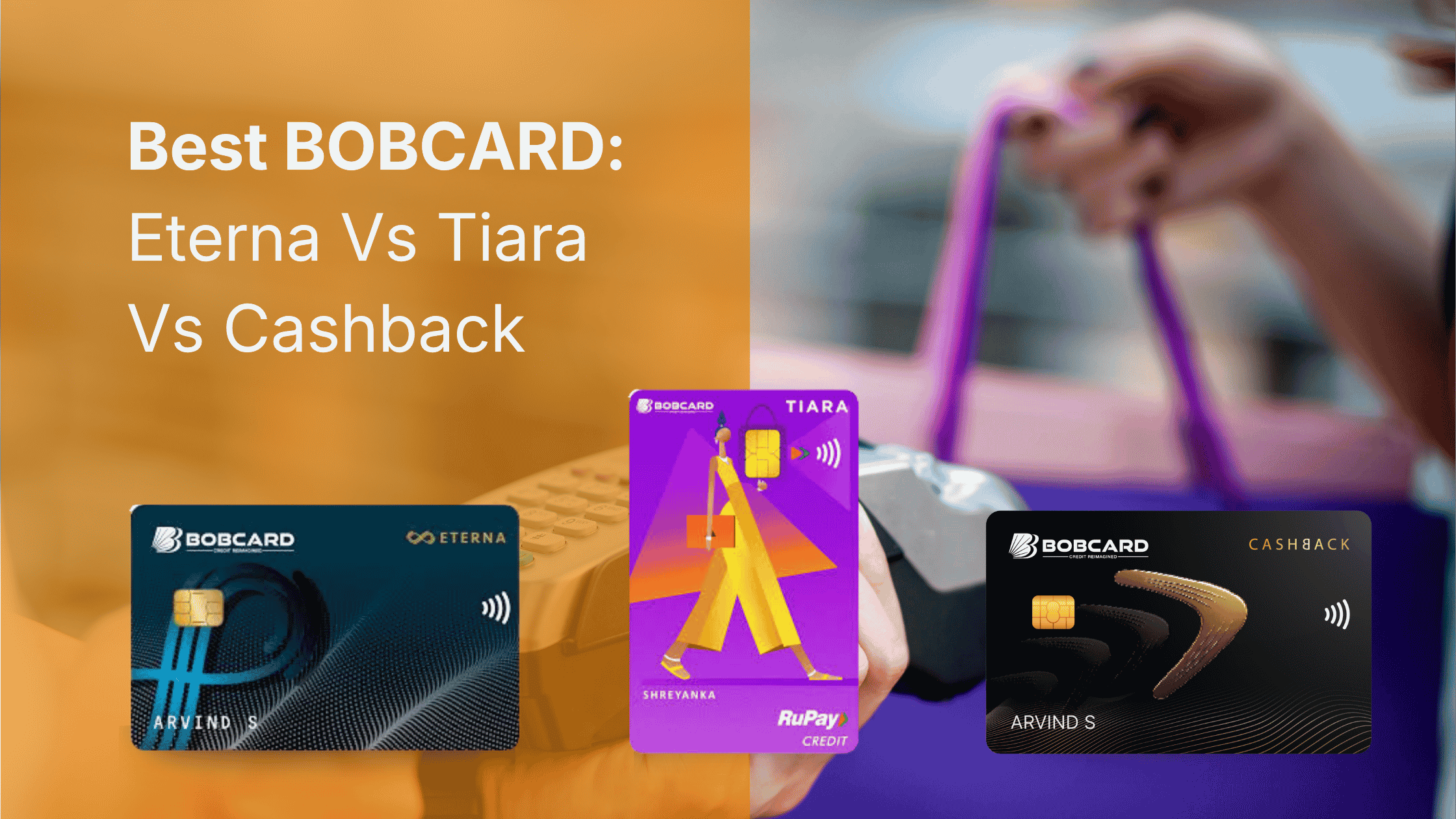
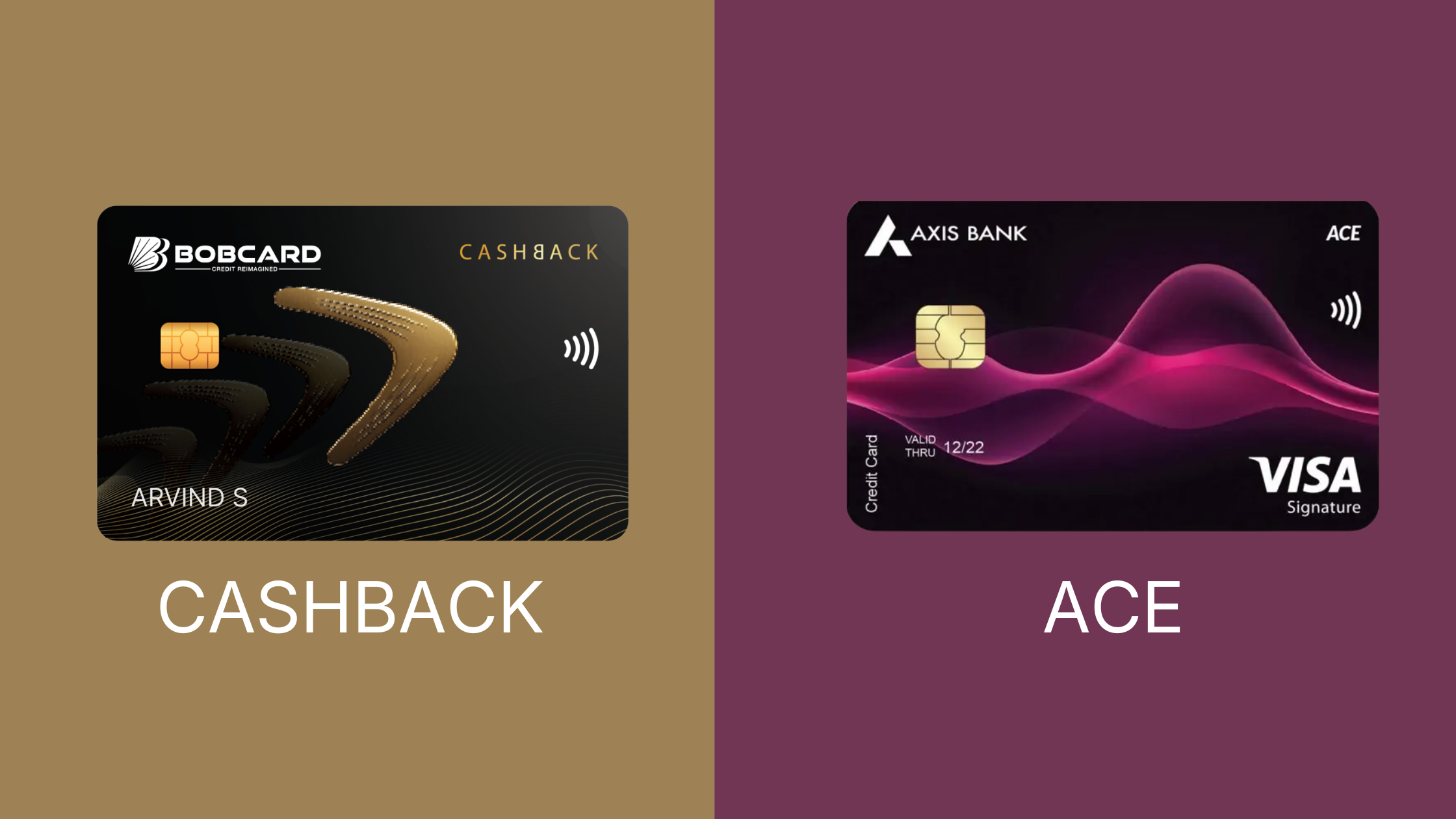
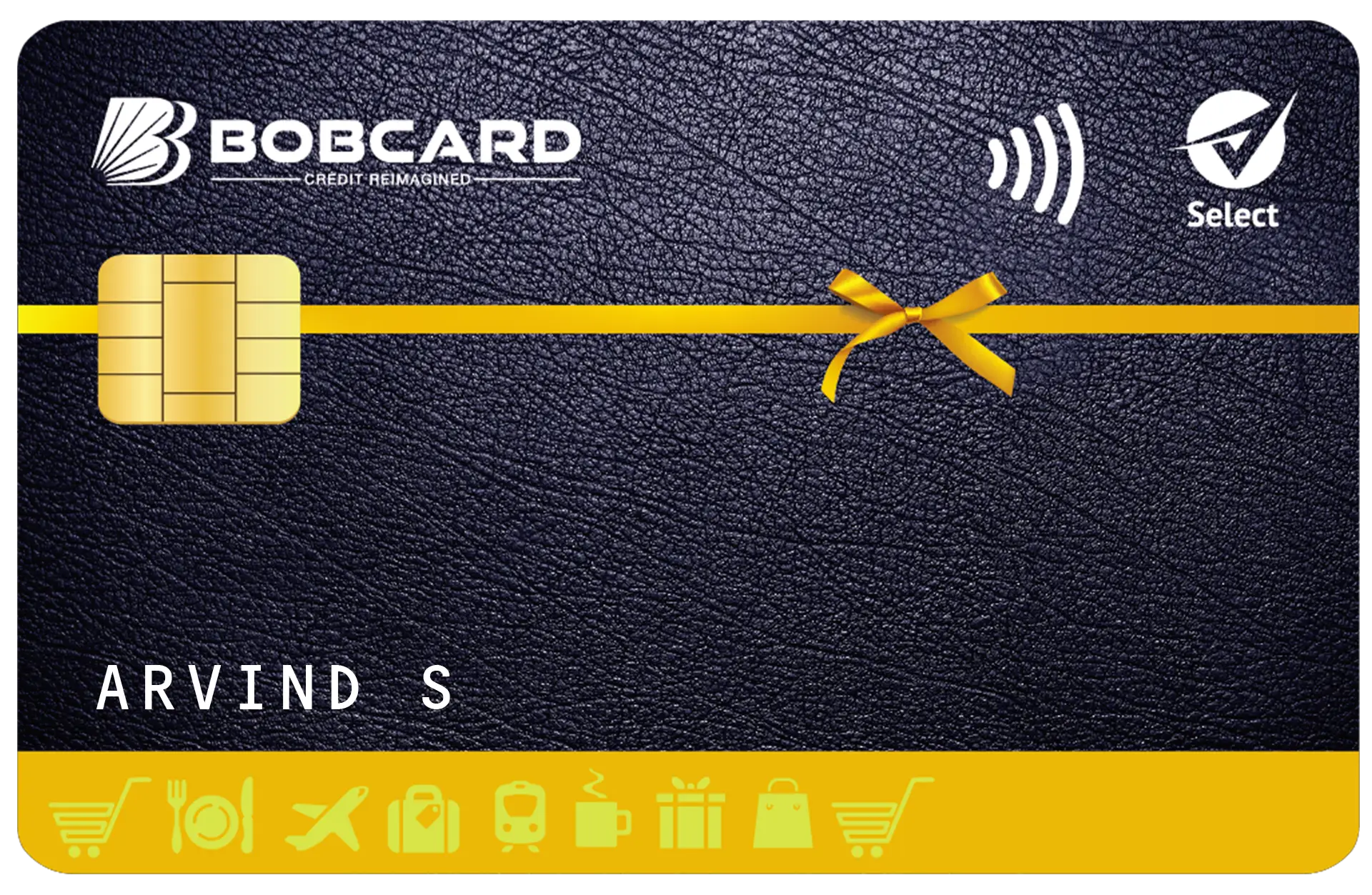
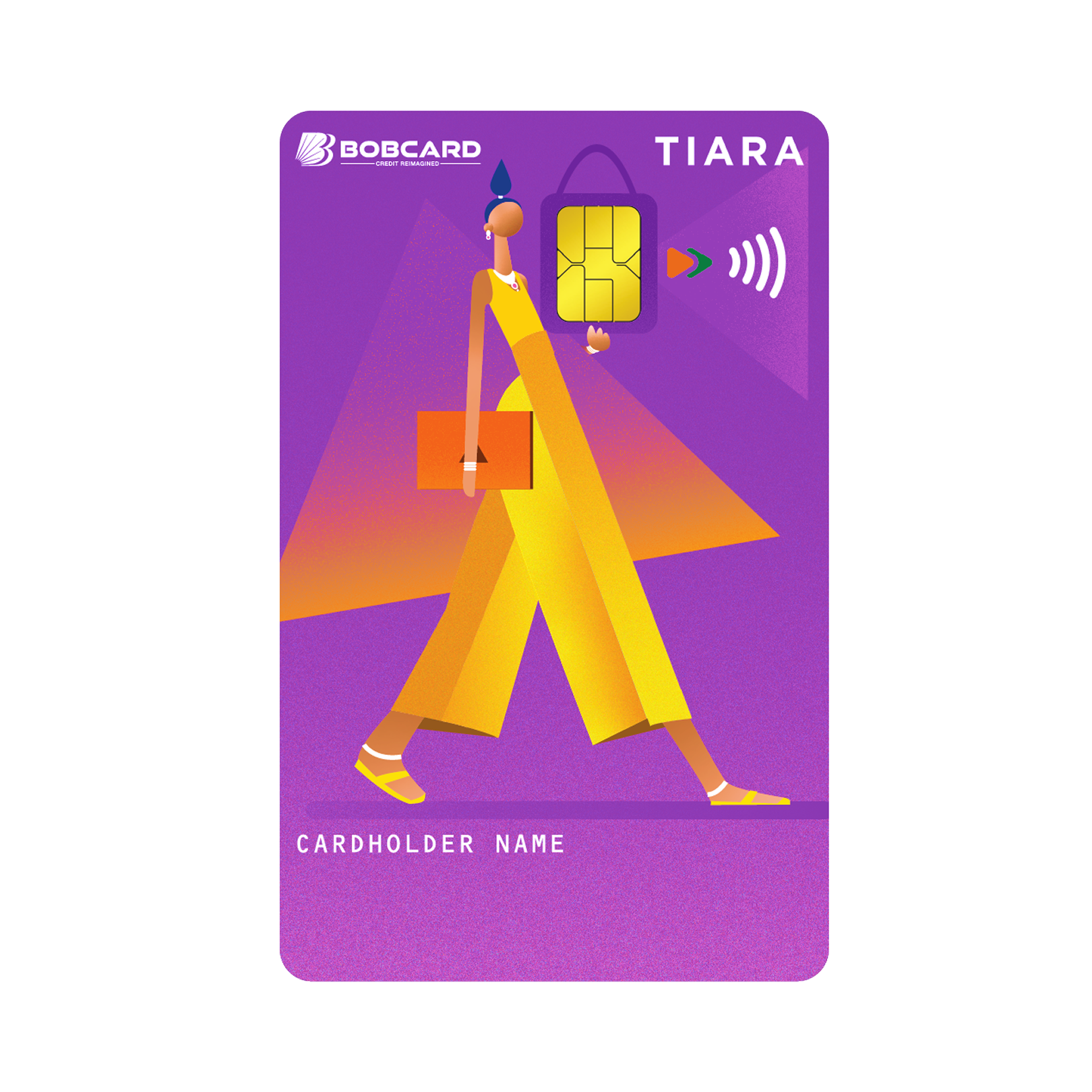
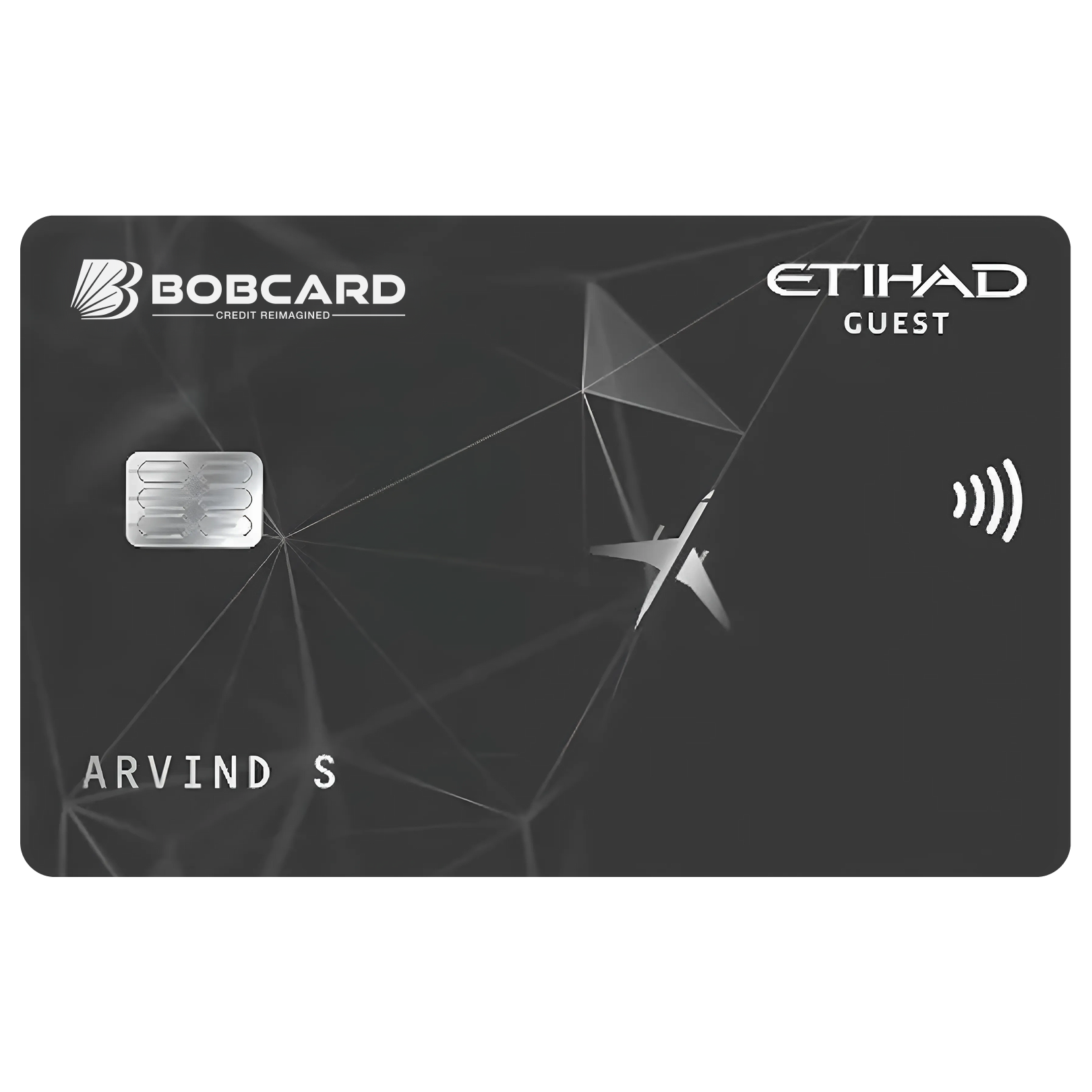
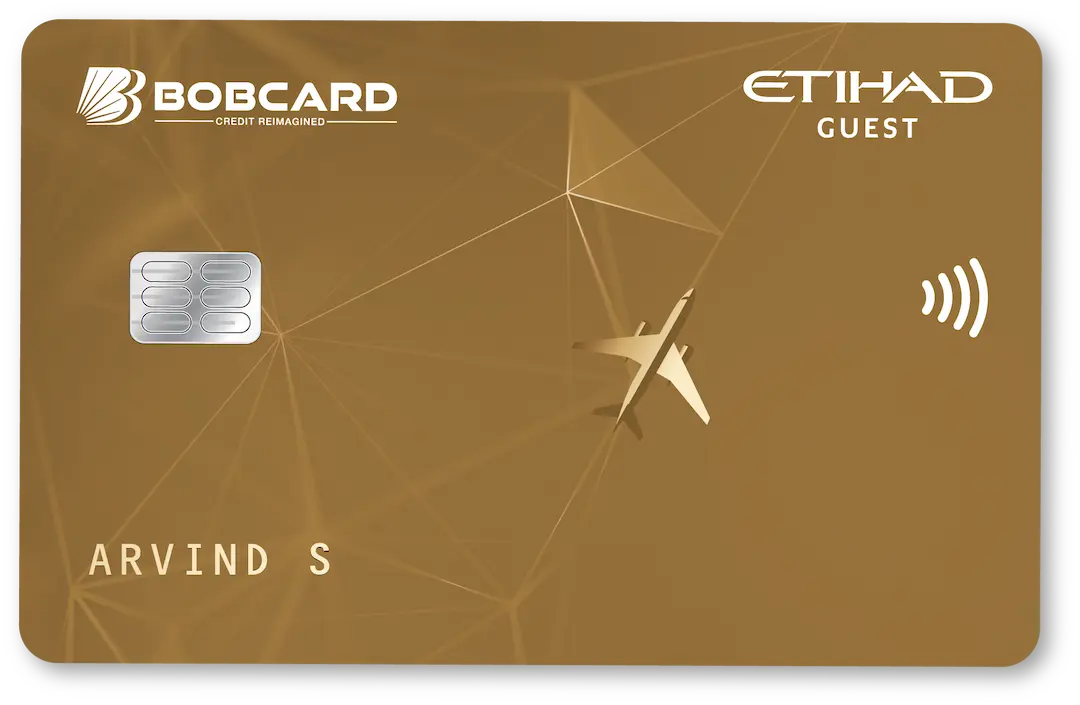
BOBCARD Eterna and Tiara are the only BOBCARD variants with native UPI support, via the RuPay Select network. The Visa Infinite and Mastercard variants of Eterna do not support UPI. For cardholders who applied for the Eterna without specifying the RuPay variant, their card may not be UPI-enabled.
From 1 April 2026, BOBCARD expanded reward point eligibility to telecom transactions (MCC 4814). From 1 July 2025, utility spends (MCC 4900) were added. Both are high-frequency UPI use cases - monthly recharges and bill payments - which now earn base-rate RP on a BOBCARD Eterna or Tiara. UPI RP earnings are capped at 500 points per statement cycle, equivalent to ₹125 in cashback.
On EMI: Any BOBCARD transaction of ₹2,500 or above can be converted to Smart EMI with tenures from 6 to 48 months. This can be done at the point of purchase or post-purchase via the BOBCARD app. Converting large purchases to Smart EMI instead of letting them revolve is the direct cardholder action that mirrors the industry pivot SBI Cards described this week.
Here is how BOBCARD's features map to the EMI and UPI trends reshaping the industry:
| Feature | BOBCARD Eterna / Tiara | Relevance to EMI + UPI Trend |
|---|---|---|
| UPI Payments | RuPay Select variant: GPay, PhonePe, Paytm, BHIM | Directly participates in India's 21B+ monthly UPI transaction volume |
| Smart EMI | Any purchase ≥ ₹2,500 | 6–48 months |
| Reward Points on UPI | Core RP earned; capped at 500 RP/statement cycle | Rewards everyday UPI spends - driving higher transaction frequency |
| Telecom (MCC 4814) | Earns RP from 1 April 2026 | Captures monthly bill payments - a high-frequency UPI use case |
| Utility (MCC 4900) | Earns RP from 1 July 2025 | Captures bill payments now moving to credit cards and EMI |
| Finance Charge | 3.25%/month = 39% p.a. (Eterna & Tiara) | Among lowest in the industry - relevant if any balance carries forward |
| Interest-Free Period | Up to 50 days | Transactors pay zero if balance cleared by due date |
Source: BOBCARD MITC Ver 19, effective 1 April 2026. bobcard.co.in
What This Means for You as a Cardholder in 2026
The SBI Cards data and the broader industry shift point to three practical changes in how Indian cardholders should think about their credit cards:
1. Stop Revolving. Start Structuring.
If you are carrying a balance month to month, you are exactly the customer banks are moving away from - and paying the highest price for it. At 3.25% to 3.75% per month, revolving credit on a ₹50,000 balance costs ₹1,625 to ₹1,875 in interest every single month. That is ₹19,500 to ₹22,500 per year on a relatively modest balance.
The smarter alternative for large purchases is to use Smart EMI - convert the transaction to a 6-, 12-, or 24-month instalment at a significantly lower effective rate. You pay predictably. The bank gets predictable revenue. That alignment is why banks are actively promoting this over revolving credit.
2. Link Your RuPay BOBCARD to Your UPI App Today
If you hold a BOBCARD Eterna (RuPay Select variant) or a BOBCARD Tiara and have not linked it to GPay, PhonePe, or Paytm, you are leaving reward points on the table. Every chai, every grocery run, every utility payment via UPI earns core RP - capped at 500 points per statement cycle, but that adds up to ₹125 in cashback per month purely from everyday UPI transactions.
The linkage takes under two minutes. Open your UPI app, go to payment methods, add credit card, and select your BOBCARD RuPay card. A ₹1 OTP verification later, your credit line is live at every QR code in India.
3. Track the Quarter to Keep Your Lounge Access
The EMI and UPI shift creates a useful side benefit: spending more across everyday categories through your BOBCARD moves you closer to the ₹40,000 quarterly spend threshold that unlocks unlimited domestic airport lounge access on Eterna and Tiara. Utility bills, telecom, and dining - all newly eligible for RP from 2025–26 - count towards this threshold.
What to Watch Next in 2026
SBI Cards is not alone. HDFC Bank revised Regalia Gold's reward structure in May 2026, cutting the base rate and raising the quarterly spend requirement for lounge access to ₹60,000. Axis Magnus lost its milestone bonus in 2024–25. The industry-wide direction is clear: issuers are raising the bar for passive reward earning and rewarding active, high-volume spenders instead.
For BOBCARD holders, the immediate question is whether the ₹40,000 quarterly spend condition for lounge access on Eterna and Tiara remains unchanged. As of MITC Ver 19 (1 April 2026), it does. But the SBI Cards pivot and the industry-wide devaluation trend make this a condition worth monitoring at each MITC revision.
Frequently Asked Questions
Disclaimer: This article is for general informational purposes only and does not constitute financial advice. All card features, fees, and benefits are subject to change. BOBCARD Limited (formerly BOB Financial Solutions Limited) is a 100% subsidiary of Bank of Baroda and an RBI-regulated entity. Readers are advised to refer to the Most Important Terms and Conditions (MITC) available at bobcard.co.in before making any financial decision. SBI Cards data sourced from public earnings disclosures. Industry data sourced from NPCI, RBI, and third-party reports as cited.