






































































Key Highlights
- Credit card spends appear in your AIS: Your Annual Information Statement (AIS) on the Income Tax portal shows credit card spending. If your card is used by others for large purchases, those spends appear against your PAN - not theirs.
- High-value reporting threshold: Under Income Tax Rules 2026 (effective April 2026), credit card bill payments above ₹10 lakh per year will be reported by the bank to the Income Tax Department in the Statement of Financial Transactions (SFT).
- Spend vs income mismatch triggers scrutiny: If your card shows ₹24 lakh in annual spend but your declared income is ₹2 lakh, the IT Department's systems flag a mismatch. You may receive a notice asking you to explain the source of funds.
- Real case: student with ₹24 lakh in card spend: A student with no income let friends use the card in exchange for cashback. The ₹24 lakh spend now shows in AIS and TIS, generating IT notice risk - reported by Business Standard.
- Add-on cards are the legal alternative: If you want family members to use your card, most BOBCARD and other issuer cards offer free add-on cards (up to 3) for family members. Spends on add-on cards are controlled and do not create the same compliance risk.
- Corporate card risk: From April 2026, personal expenses charged to company credit cards are treated as taxable perquisites under Income Tax Rules 2026.
A pattern that has grown quietly in India's personal finance community - using your own credit card for friends' purchases in exchange for a share of the cashback or reward points - has attracted clear attention from tax professionals and the Income Tax Department. The premise is simple: a cardholder with a high-reward card lets a friend pay for a large purchase through the card, the cardholder earns the points or cashback, and the friend pays them back. The transaction appears to net both parties a gain.
The problem is what appears on your PAN - and what the Income Tax Department sees when it reviews your Annual Information Statement.
Under India's AIS system, every credit card transaction made on your card - including transactions made by friends on your behalf - is recorded against your PAN. Your AIS on the Income Tax portal shows your total credit card spend as reported by the bank or card issuer. If your card shows ₹24 lakh in annual purchases but your income tax return declares ₹2 lakh in income, that is a mismatch the system is designed to catch.
The ₹24 Lakh Case: What Happened
Business Standard reported the case of a Reddit user who identified themselves as a student with no job or business income. The student had allowed friends to use the credit card throughout the year in exchange for cashback and reward points. Total card spend: approximately ₹24 lakh in a single year. The spend now shows in both the AIS and the Taxpayer Information Summary (TIS), leaving the student concerned about Income Tax Department notices.
Tax experts quoted in the Business Standard report confirmed the risk. Business Standard separately cited the case of an Ahmedabad trader who lost ₹32 lakh after allowing a friend to use 34 credit cards - described as a 'cashback chasing' arrangement that backfired.
The core issue: the credit card statement shows the primary cardholder as the spender. Whether the actual money came from the friend or from the cardholder is not visible in the bank's reporting to the IT Department. The IT Department sees ₹24 lakh in card spend attributed to your PAN. If your income does not support that level of spending, you may be required to explain the source of funds used to pay the card bills.
Income Tax Rules 2026: The Reporting Framework
The Income Tax Rules 2026 - effective April 1, 2026 under the Income Tax Act 2025 - tighten the reporting framework around credit card transactions:
| Rule | Threshold | What Gets Reported |
|---|---|---|
| Credit card bill payment via SFT | ₹10 lakh or more in a year (non-cash payments) | Bank/card issuer reports to IT Department |
| Overseas spending | Threshold-based | Foreign transactions above thresholds flagged |
| Cash payments | ₹1 lakh | Monitored with stricter enforcement |
| Corporate card personal expenses | All personal spends on company card | Treated as taxable perquisites from April 2026 |
| AIS and TIS reporting | All card transactions | Visible to cardholder AND to IT Department |
Source: Income Tax Rules 2026 (draft), Business Standard, Upstox. Last verified: 13 May 2026.
The reporting norms themselves are not new - SFT reporting of high-value transactions has existed for years. What has changed is the consistency and granularity of enforcement under the new Income Tax Act 2025 framework. 'If your spending is legitimate and your PAN is linked, very little changes. But the signal is important: credit and tax identity are now one and the same,' Rajat Mittal, business head at fintech platform POP, was quoted saying in Business Standard.
Why People Share Credit Cards - and the Tax Risk Each Creates
Scenario 1: Letting friends use your card for cashback
The cardholder earns cashback on a friend's large purchase. The friend pays back the principal. Cashback and reward points go to the cardholder. Risk: the total spend appears against your PAN. If the aggregate card spend significantly exceeds your declared income, it creates an AIS mismatch that may trigger a notice. The notice will ask you to substantiate the source of funds used to repay the card bill.
Scenario 2: Using a family member's card for a large purchase
Buying a ₹1 lakh appliance on a parent's card and reimbursing them. Risk for the cardholder (the parent or family member): the spend appears on their AIS. If their income level does not support this spending pattern, they carry the compliance risk. The person who actually made the purchase does not appear anywhere in the IT Department's records.
Scenario 3: Running business expenses through a personal card
Charging business purchases to a personal credit card for rewards, then claiming reimbursement from your company. Manageable if the card is in your name and your income supports the spending level. The risk increases if the spend level is inconsistent with your personal income tax profile.
Scenario 4: Personal expenses on a company card
From April 2026, personal expenses charged to a company-issued credit card are treated as taxable perquisites - additional income in the employee's hands. Work-related spending (travel to client meetings, business meals) remains tax-exempt, but documentation is now critical. Without documentation, the IT Department may treat any large company card spend as a taxable perquisite.
The Correct Approach: Add-On Cards for Family
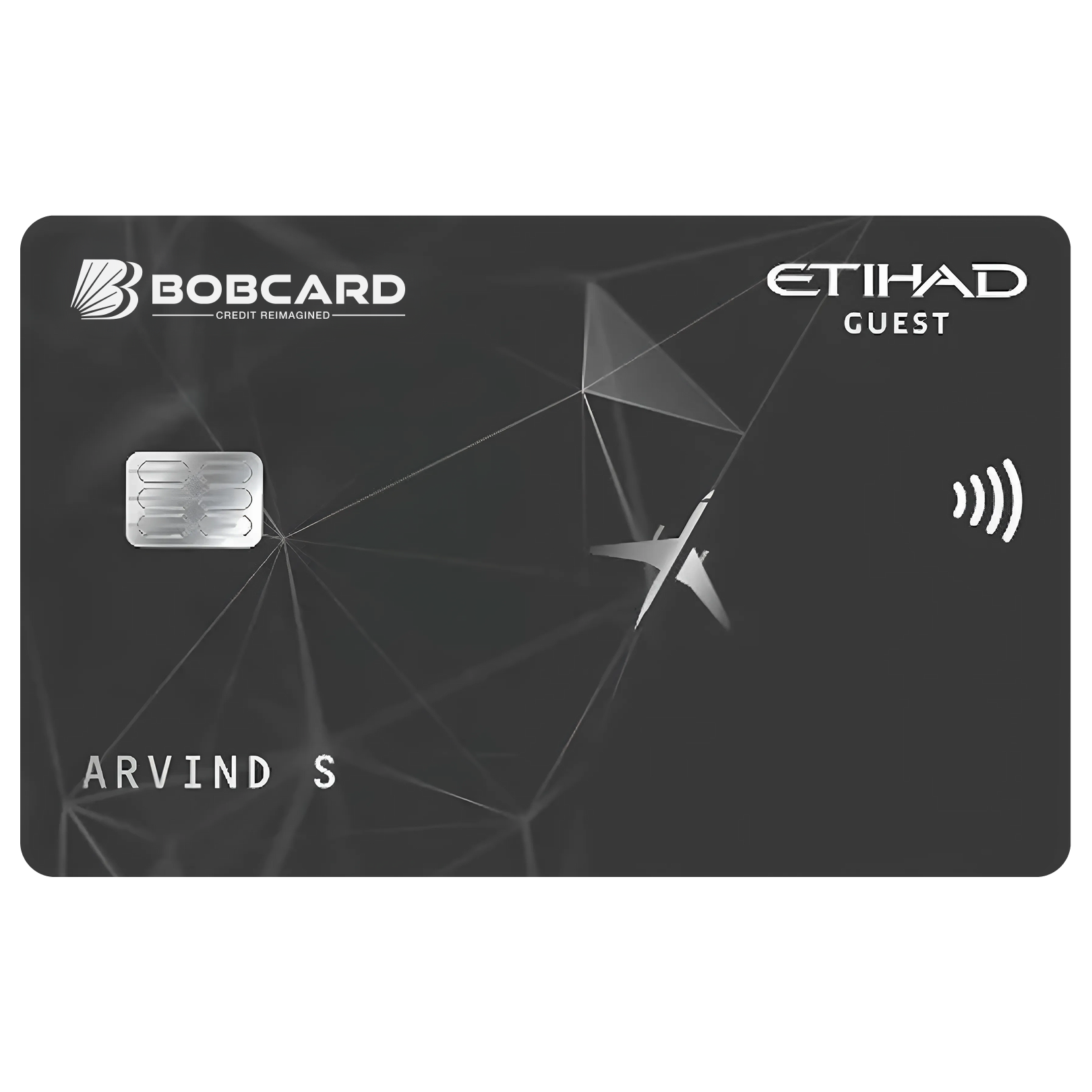
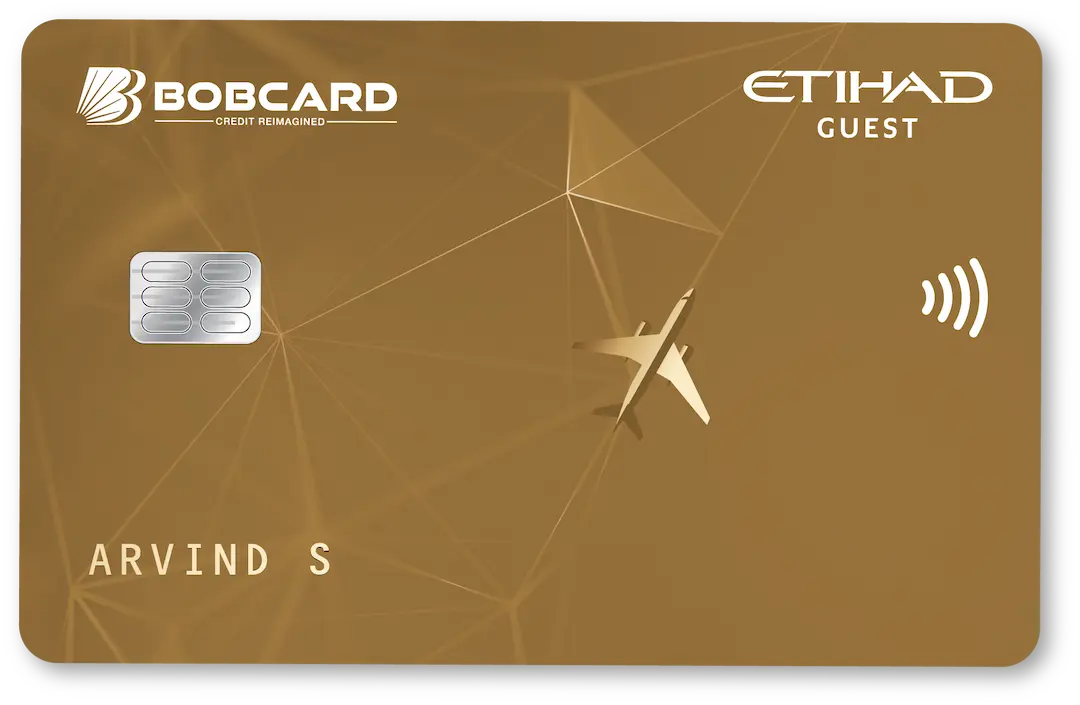
If you want family members to use your credit card - spouse, parents, adult children - the correct mechanism is an add-on card. Most BOBCARD and private bank credit cards offer up to 3 free add-on cards for immediate family members.
How add-on cards differ from sharing: Add-on card spends appear on the primary cardholder's statement and AIS, but they are issued in the family member's name and are a known, structured arrangement. The spends are expected to be for the benefit of the household and are within the primary cardholder's credit limit. This is fundamentally different from allowing unrelated friends to use the card for their own purchases in exchange for reward points.
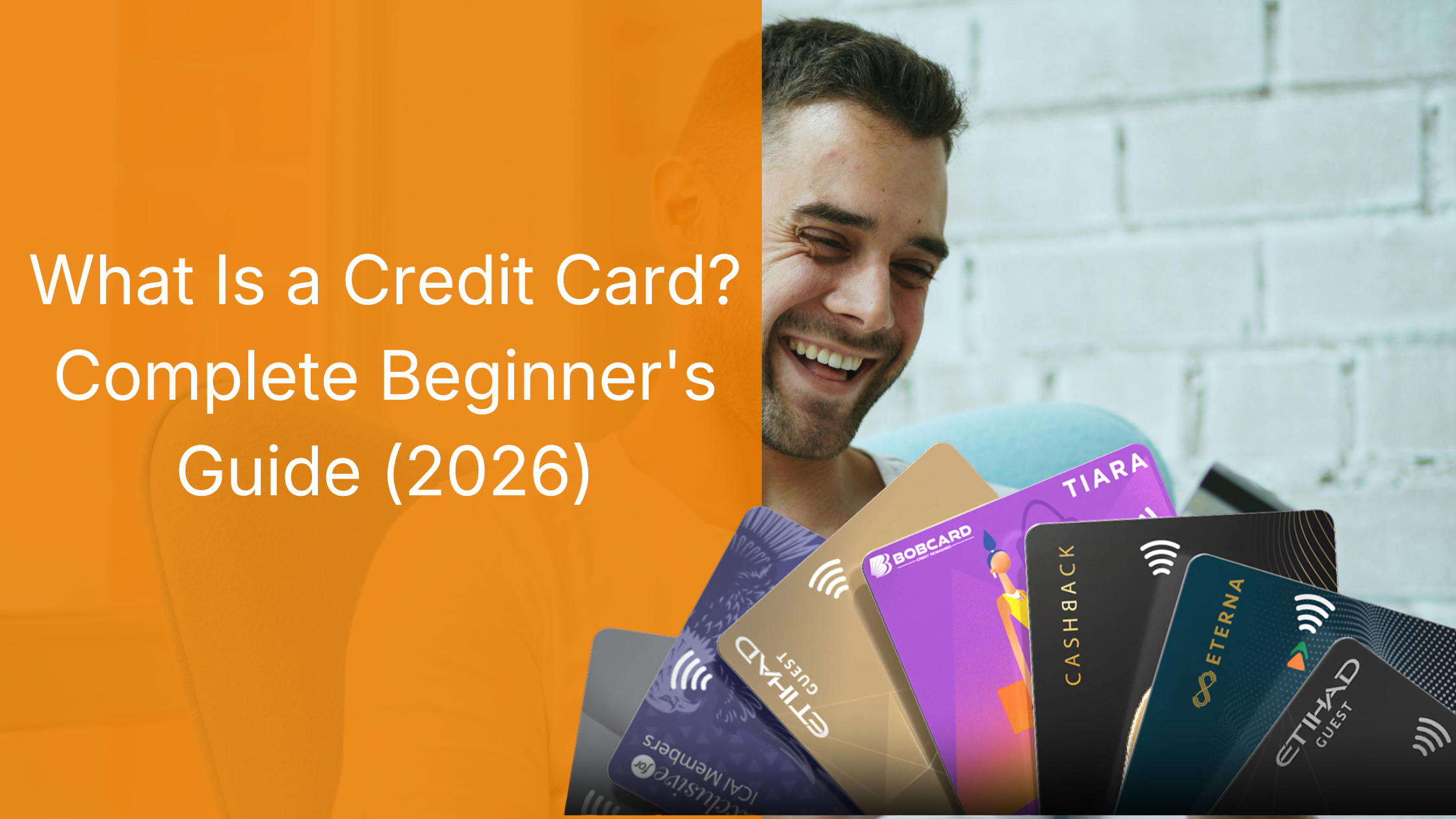
For BOBCARD Eterna, Tiara, and Cashback: up to 3 lifetime free add-on cards are available for spouse, parents, siblings, and adult children (18+). The primary cardholder retains control - add-on cards can be blocked independently, and credit limit sub-limits can be set.
Bottom line for cardholders
Using your credit card for friends' purchases in exchange for rewards is increasingly visible in AIS. If the cumulative spend creates a mismatch with your declared income, you may be asked to explain it. The income tax implications are not guaranteed - but the risk is real and growing as enforcement becomes more consistent under the Income Tax Act 2025 framework.
If you want family members to benefit from your card's rewards: use add-on cards, not informal sharing.
Frequently Asked Questions
Disclaimer: This article is for general informational purposes only and does not constitute tax or legal advice. Tax implications vary by individual circumstances. Readers are strongly advised to consult a qualified chartered accountant or tax professional for advice specific to their situation. Data sourced from Business Standard, LiveMint, Upstox, and Income Tax Rules 2026 (draft) as of 13 May 2026.