




















Table of Contents
- 1. Introduction: Why Every Indian Should Understand Credit Cards
- 2. What Is a Credit Card, Simply Explained
- 3. Credit Card vs Debit Card: A Clear Comparison
- 4. How a Credit Card Bill Works: A Simple Example
- 5. Types of Credit Cards in India (2026)
- 6. Essential Credit Card Vocabulary Every Beginner Must Know
- 7. How a Credit Card Affects Your CIBIL Score
- 8. The Four Most Costly Beginner Mistakes
- 9. Getting Started: Your First Credit Card Checklist
- 10. Frequently Asked Questions
Key Takeaways
- A credit card lets you spend up to a pre-approved credit limit and repay by the due date - interest-free if you pay the full amount, making it essentially free short-term credit for disciplined users.
- The most important rule of credit cards: always pay the full outstanding balance by the due date. Paying only the minimum due leaves the remaining balance accruing interest at 3.35–3.75% per month (40–45% per year).
- Credit cards earn you rewards (cashback, points, miles) on spending that debit cards and UPI savings accounts do not - turning necessary spending into financial benefits.
- Your credit card usage is reported to credit bureaus (CIBIL, Equifax, Experian) monthly - building or damaging your CIBIL score, which determines your eligibility for home loans, car loans, and personal loans.
- India has 9 main types of credit cards in 2026: cashback, rewards, travel, airline co-brand, lifestyle, shopping co-brand, fuel, student/entry, and secured (FD-backed).
- The credit utilisation ratio - the percentage of your credit limit in use - should be kept below 30% for optimal CIBIL score health.
- Avoid the four most costly credit card mistakes: paying only minimum due, taking cash advances, applying for multiple cards simultaneously, and ignoring your monthly statement.
Introduction: Why Every Indian Should Understand Credit Cards
India now has over 100 million active credit card users - a number that has more than doubled in five years. Yet surveys consistently show that a majority of new credit card holders in India do not fully understand how their card works, what the actual cost of carrying a balance is, or how their credit card usage affects their ability to borrow money in the future.
This knowledge gap is expensive. Millions of Indians pay thousands of rupees per year in unnecessary interest charges simply because they misunderstand the minimum payment option. Millions more miss out on substantial cashback and rewards because they use their debit card out of habit when a credit card would earn them 3–5% back on the same purchase.
This guide covers everything a first-time or new credit card user in India needs to know - from the fundamental mechanics of how credit cards work, to the different types available, to the vocabulary you need to read your statement intelligently.
What Is a Credit Card, Simply Explained
A credit card is a payment instrument issued by a bank that allows you to spend money up to a pre-approved limit - called your credit limit - without using your own funds at the time of purchase. You spend now, and repay the bank by a monthly due date.
The critical distinction from a debit card: a debit card deducts money from your existing bank balance at the moment of purchase. A credit card creates a short-term loan. You're using the bank's money temporarily, and you repay it on a schedule.
If you repay the full amount by the due date, you pay zero interest. This interest-free window - typically 20 to 50 days depending on when in the billing cycle you spend - is called the interest-free period or grace period. During this window, you've effectively borrowed money for free.
This free borrowing, combined with rewards on spending, is why financially disciplined users of credit cards typically come out ahead compared to debit card users making identical purchases.
Credit Card vs Debit Card: A Clear Comparison
| Feature | Credit Card | Debit Card |
|---|---|---|
| Source of funds | Bank's money (borrowed) | Your own money |
| Repayment | Monthly - interest-free if paid in full | Instant deduction |
| Interest charges | Yes, if not paid in full | No |
| Builds credit score | Yes - payment history reported to bureaus | No impact |
| Rewards & cashback | Yes - on most credit cards | Rarely, or minimal |
| Purchase protection | Yes - fraud protection, disputes | Limited |
| Lounge access | Yes (on premium cards) | No |
| International use | Excellent (with forex features) | Limited |
How a Credit Card Bill Works: A Simple Example
Understanding the billing cycle is fundamental. Here is a straightforward example:
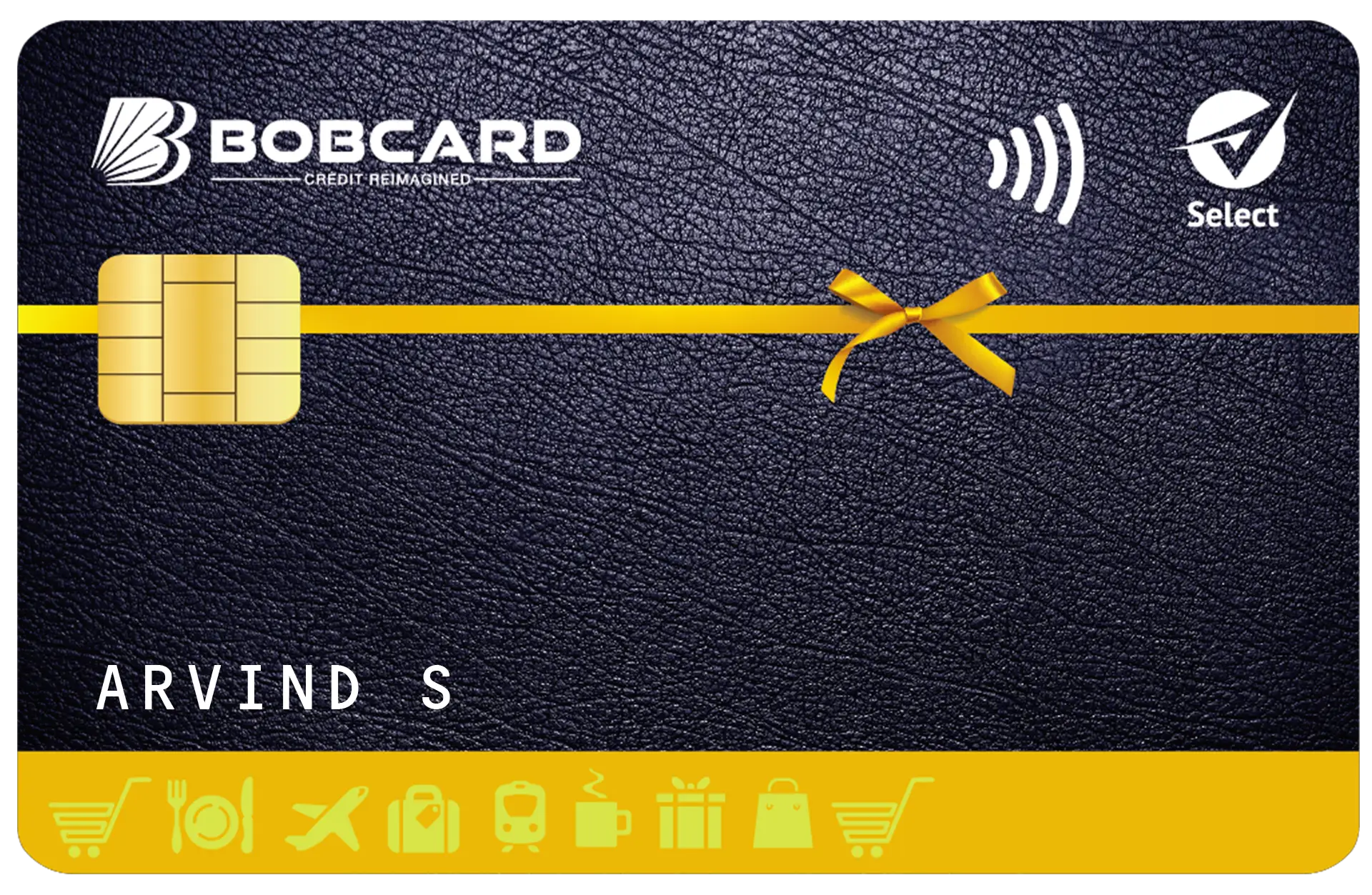
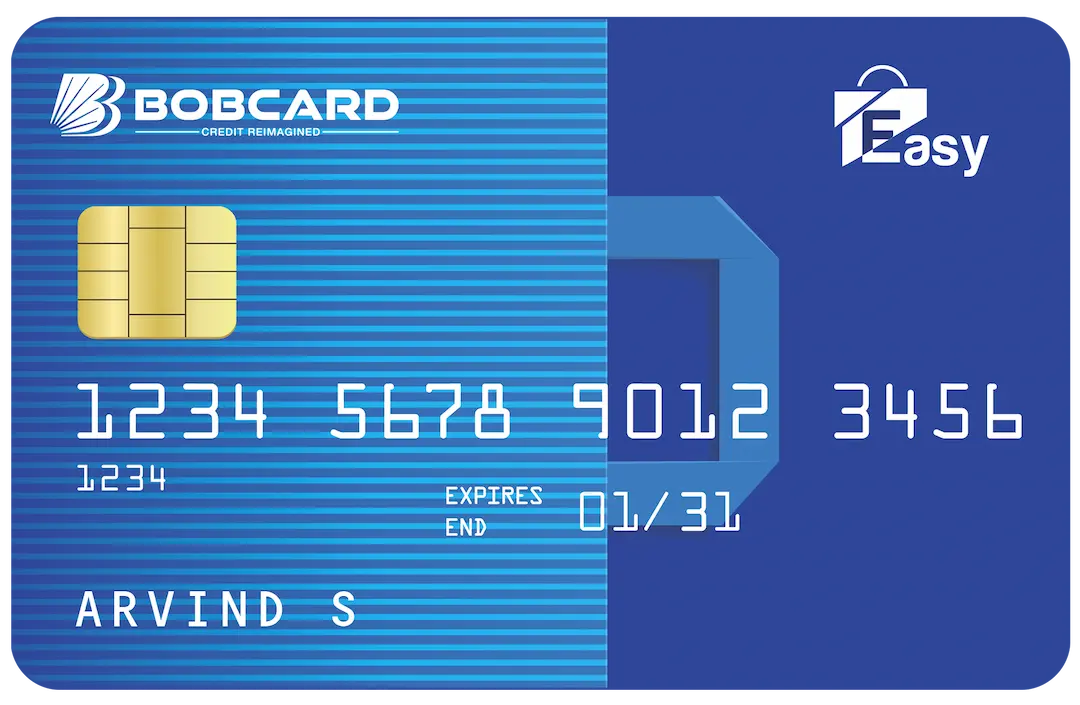
Billing cycle: 1 May to 31 May 2026. You spend ₹15,000 during this period on online shopping, restaurants, and a utility bill. On 1 June, BOBCARD generates your statement showing ₹15,000 as the total amount due. Your payment due date is 20 June.
- If you pay the full ₹15,000 by 20 June: zero interest charged. You used the bank's money for up to 50 days completely free. You also earn whatever cashback or reward points your card offers on those purchases.
- If you pay only the Minimum Amount Due (say ₹750 - 5% of ₹15,000): a late payment fee is avoided, but interest at approximately 3.49% per month begins accruing on the unpaid ₹14,250 from the statement generation date. After one month, you owe ₹497 in additional interest. After three months, ₹1,498 in interest on an original ₹15,000 spend.
- If you miss the payment entirely: a late payment fee of ₹100–₹1,300 is charged based on your outstanding balance, interest accrues as above, and your CIBIL credit score is negatively impacted - an impact that can persist on your credit report for 36 months.
The cardinal rule of credit card usage, worth memorising: always pay the full outstanding amount by the due date. The minimum payment option is not a financial lifeline - it is a debt trap with one of the highest interest rates of any consumer financial product in India.
Types of Credit Cards in India (2026)
| Type | Best For | Example |
|---|---|---|
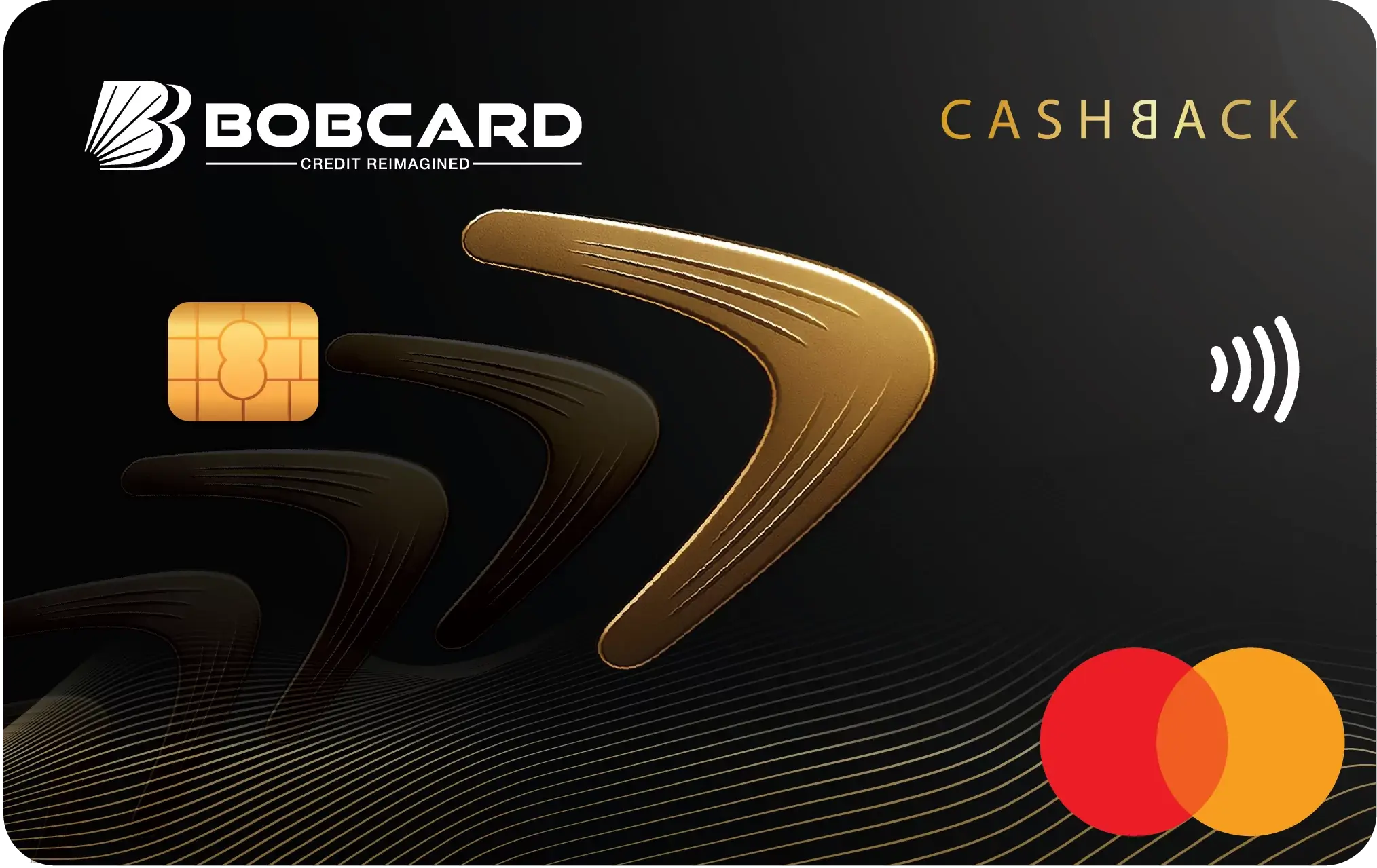
| Cashback Cards | Direct money-back on spending | BOBCARD Cashback (5% online) |
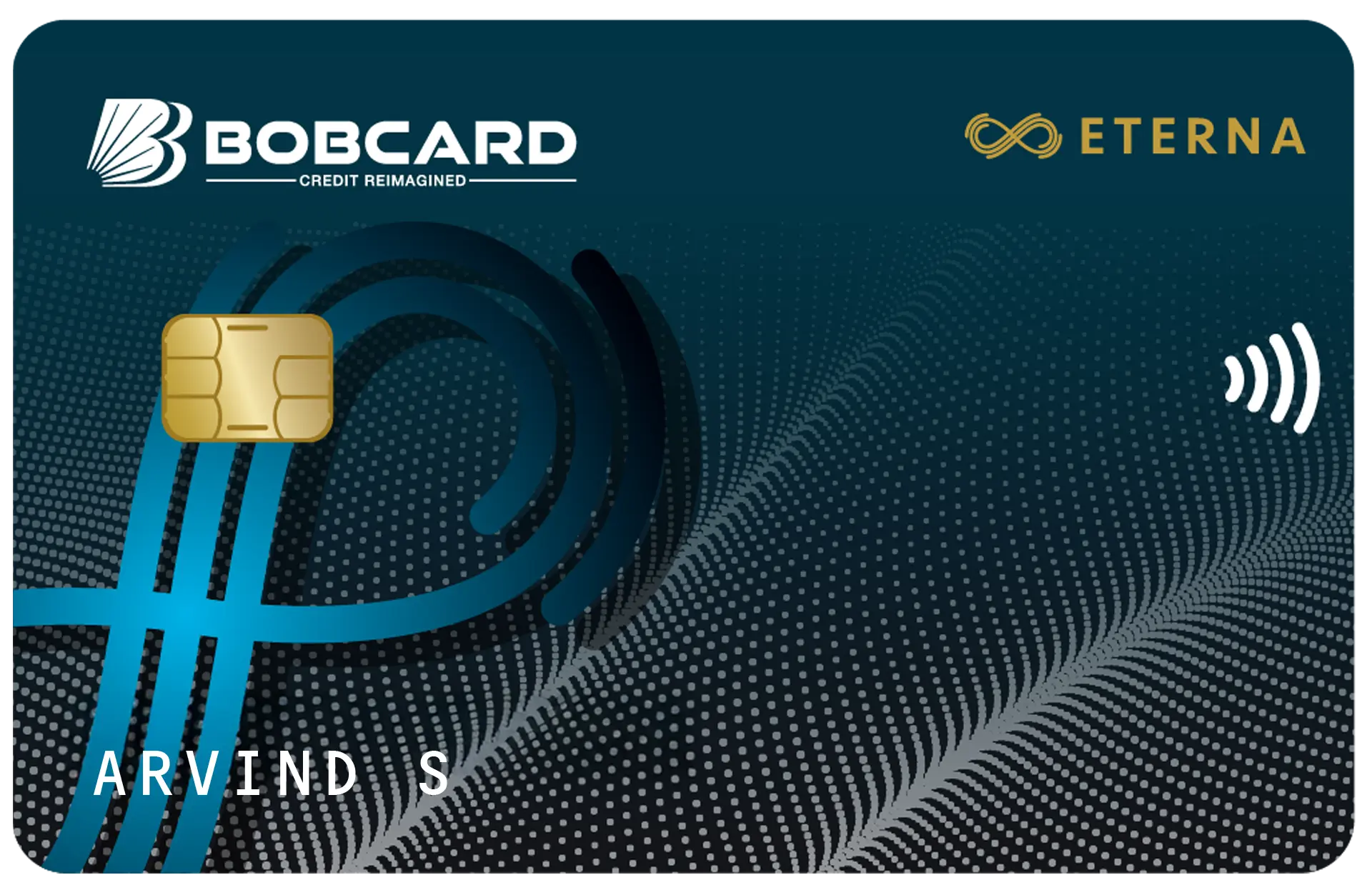
| Rewards Cards | Points redeemable for vouchers/products | BOBCARD Eterna (3.75% on premium categories) |
| Travel Cards | Lounge access, miles, forex savings | Axis Atlas (flexible travel miles) |
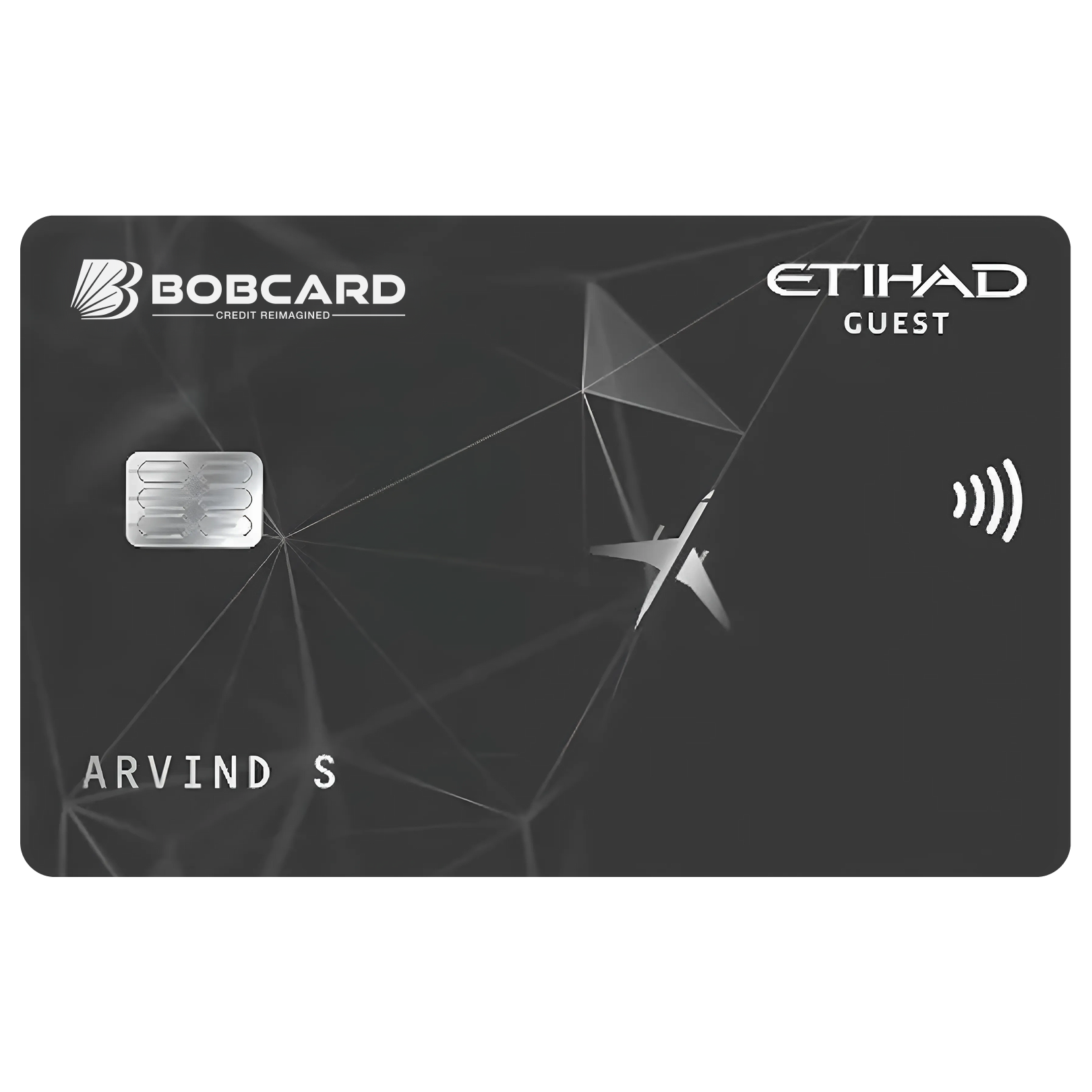
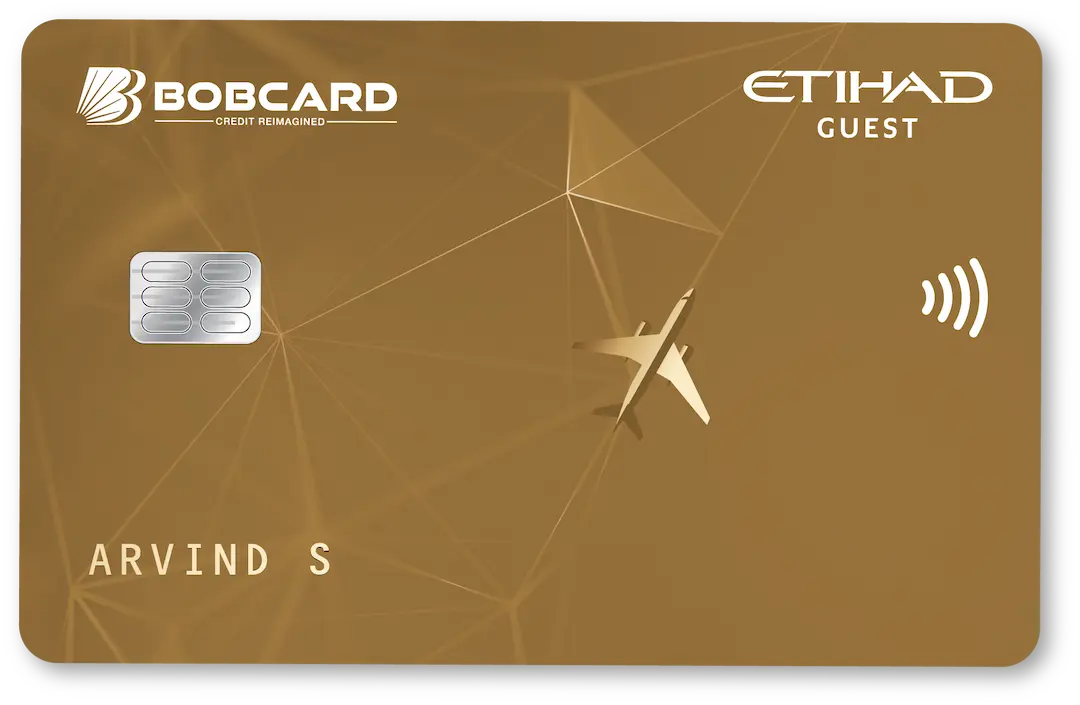
| Airline Co-brand Cards | Miles on specific airline | BOBCARD Etihad Guest Premium |
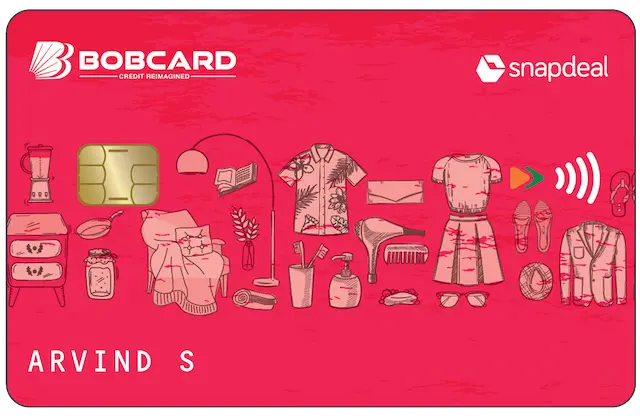
| Shopping/Co-brand Cards | Cashback on specific platform | Snapdeal BOBCARD (5% on Snapdeal) |
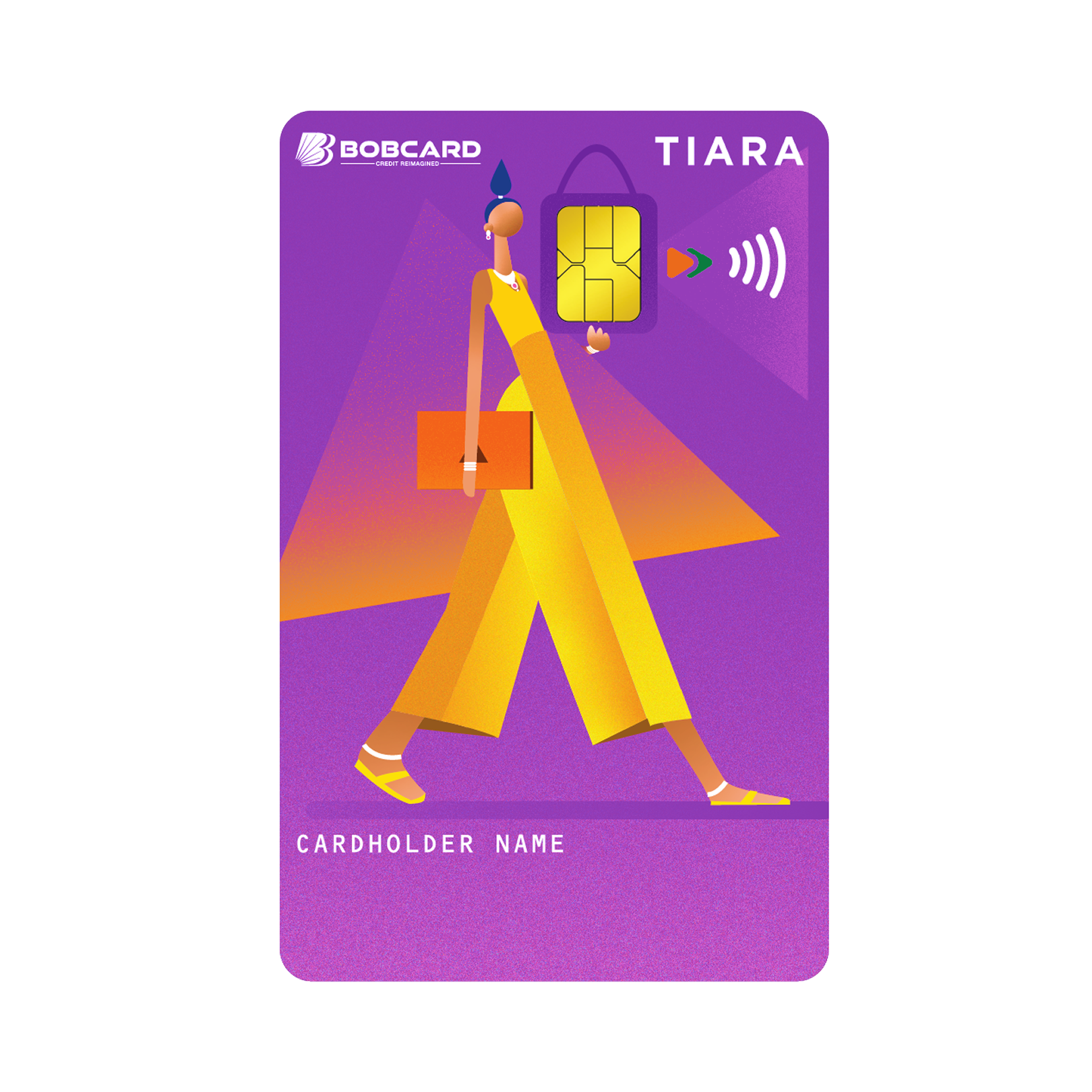
| Lifestyle Cards | Dining, wellness, entertainment | BOBCARD Tiara (wellness + fashion) |
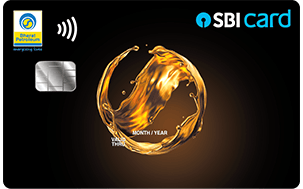
| Fuel Cards | Surcharge waiver at petrol pumps | BPCL SBI Card |
| Student / Entry Cards | Building credit, low income requirement | BOBCARD Prime (FD-backed) |
| Secured (FD-backed) Cards | No income proof required | Available at most PSU banks |
Most consumers benefit from starting with a cashback or rewards card aligned with their primary spending category, then diversifying to a travel card once their spending and income grow. Applying for multiple types simultaneously as a beginner is a common and costly mistake.
Essential Credit Card Vocabulary Every Beginner Must Know
Understanding these terms will help you read your credit card statement intelligently, compare cards accurately, and avoid costly misunderstandings:
- Credit Limit: The maximum amount you can spend on the card at any time. Set by the bank based on your income, credit score, and relationship history. Spending close to this limit negatively affects your CIBIL score.
- Billing Cycle: The monthly period (typically 28–31 days) during which all transactions are recorded before your statement is generated.
- Statement Date: The date on which your monthly statement is generated. Purchases made on or before this date appear in the current bill.
- Payment Due Date: The date by which you must pay to avoid interest and late fees. Typically 20–25 days after the statement date.
- Interest-Free Period: The total span from your first purchase in a billing cycle to the payment due date - up to 50 days on cards with long grace periods.
- Minimum Amount Due (MAD): The smallest payment accepted to avoid a late payment fee. Paying only MAD does not prevent interest on the remaining balance.
- Finance Charge: The interest rate applied to unpaid balances. Typically 3.35–3.75% per month (40–45% annually) in India - extremely expensive.
- Forex Markup: The fee charged on transactions in foreign currencies. Ranges from 0% (premium travel cards) to 3.5% (standard cards).
- Reward Points: Points earned on eligible spends, redeemable for cashback, vouchers, products, or travel.
- Credit Utilisation Ratio: Percentage of credit limit currently in use. Keeping this below 30% is recommended for CIBIL score health.
- Cash Advance: Withdrawing cash using your credit card at an ATM. Carries a 2.5% fee plus interest from day one with no grace period - one of the most expensive ways to access money.
How a Credit Card Affects Your CIBIL Score
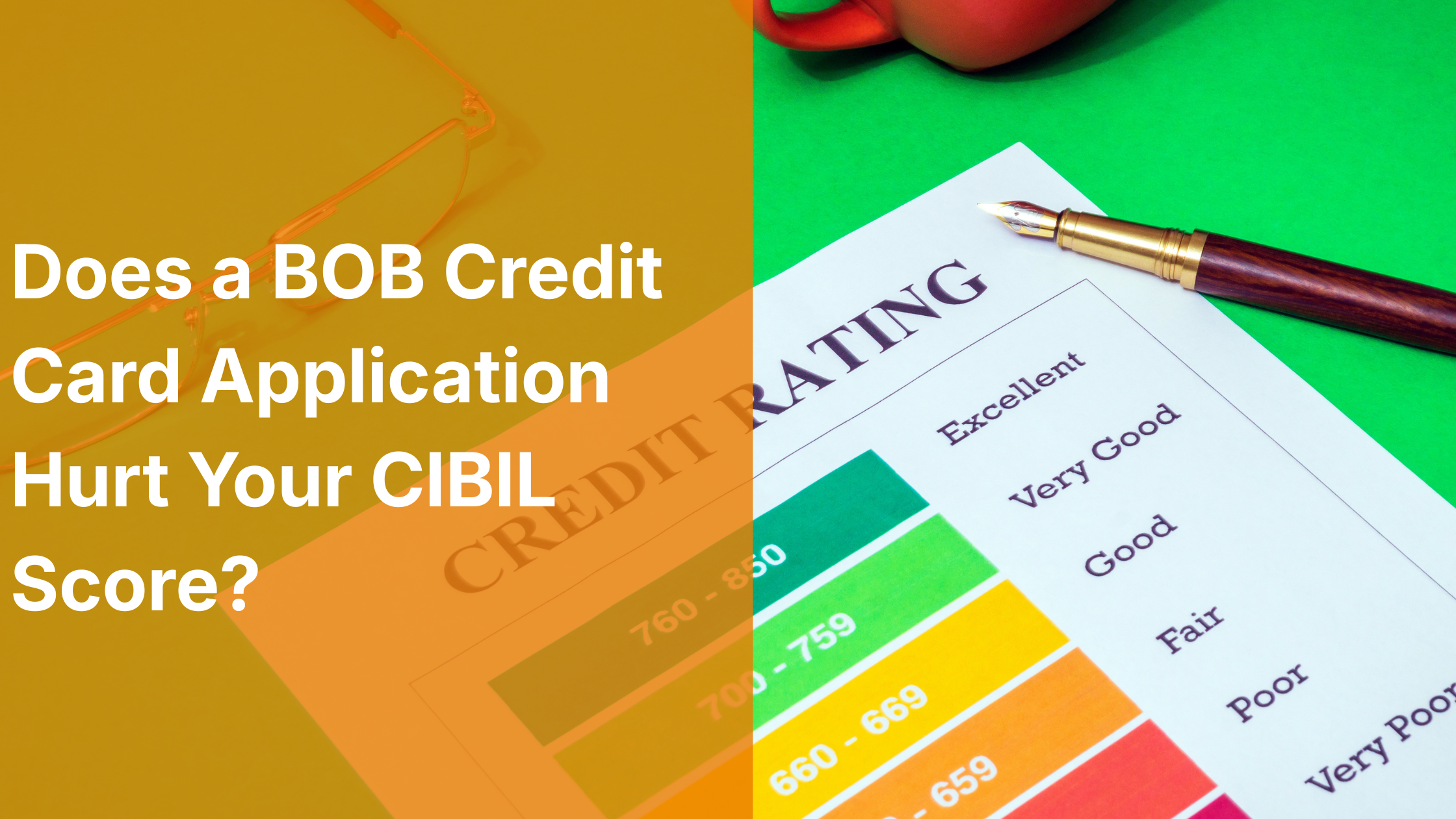
Your CIBIL score is India's primary measure of creditworthiness, ranging from 300 to 900. Banks and NBFCs use this score to decide whether to approve loans and at what interest rate. A score above 750 is considered good; above 800 is excellent.
Every credit card account is reported to CIBIL, Equifax, and Experian monthly. Your credit card behaviour directly shapes your CIBIL score in the following ways:
- Payment history (35% weight): The single most important factor. Every on-time payment is a positive entry. Every missed or late payment is a negative entry that can reduce your score by 50–100 points and remains on your report for 36 months.
- Credit utilisation (30% weight): Using more than 30% of your credit limit signals potential financial stress to lenders. Keeping utilisation low is a simple, high-impact way to maintain a strong score.
- Credit enquiries (10% weight): Each credit card application triggers a hard enquiry on your CIBIL report. Applying for 3–4 cards in a short period can significantly reduce your score.
- Credit history length (15% weight): Longer credit history is positive. Closing your oldest credit card reduces your average credit age, which can negatively impact your score.
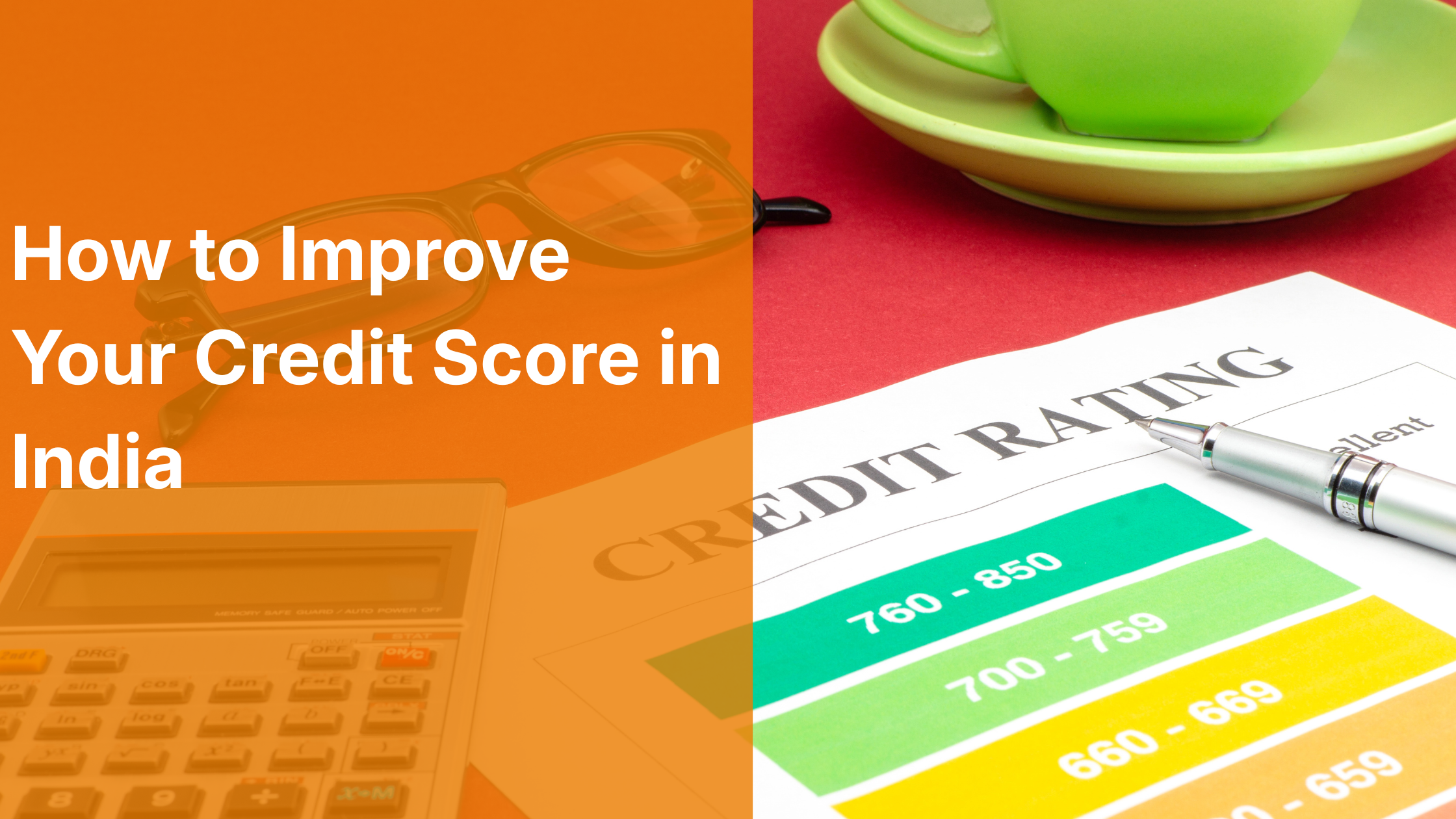
A first-time credit card user who pays on time, maintains low utilisation, and avoids unnecessary applications can build a 750+ CIBIL score within 12–18 months - making them eligible for home loans, car loans, and personal loans at competitive interest rates.
The Four Most Costly Beginner Mistakes
These are the most common and most expensive credit card mistakes made by Indian consumers who are new to credit cards:
- Paying only the minimum amount due: The single most expensive mistake. You think you're saving money by paying ₹750 instead of ₹15,000. In reality, you're paying 42% annual interest on the remaining ₹14,250. Over three months, this adds ₹1,500 in unnecessary interest charges.
- Using the card for cash advances: Cash withdrawals on credit cards carry a 2.5% fee (minimum ₹500) plus interest from the moment of withdrawal with no grace period. A ₹10,000 cash advance costs ₹250 immediately, plus ₹349/month in interest from day one.
- Applying for multiple cards simultaneously: Every application = one hard enquiry = CIBIL score impact. Applying for 3 cards in 30 days can reduce your score by 30–50 points and flag you as credit-hungry to future lenders.
- Ignoring the monthly statement: Not reviewing your statement means missing fraudulent transactions, missed payments due to autopay failures, and erroneous charges. Set a calendar reminder on your statement date each month.
Getting Started: Your First Credit Card Checklist
If you're applying for your first credit card in India in 2026, this checklist will help you start on the right foot:
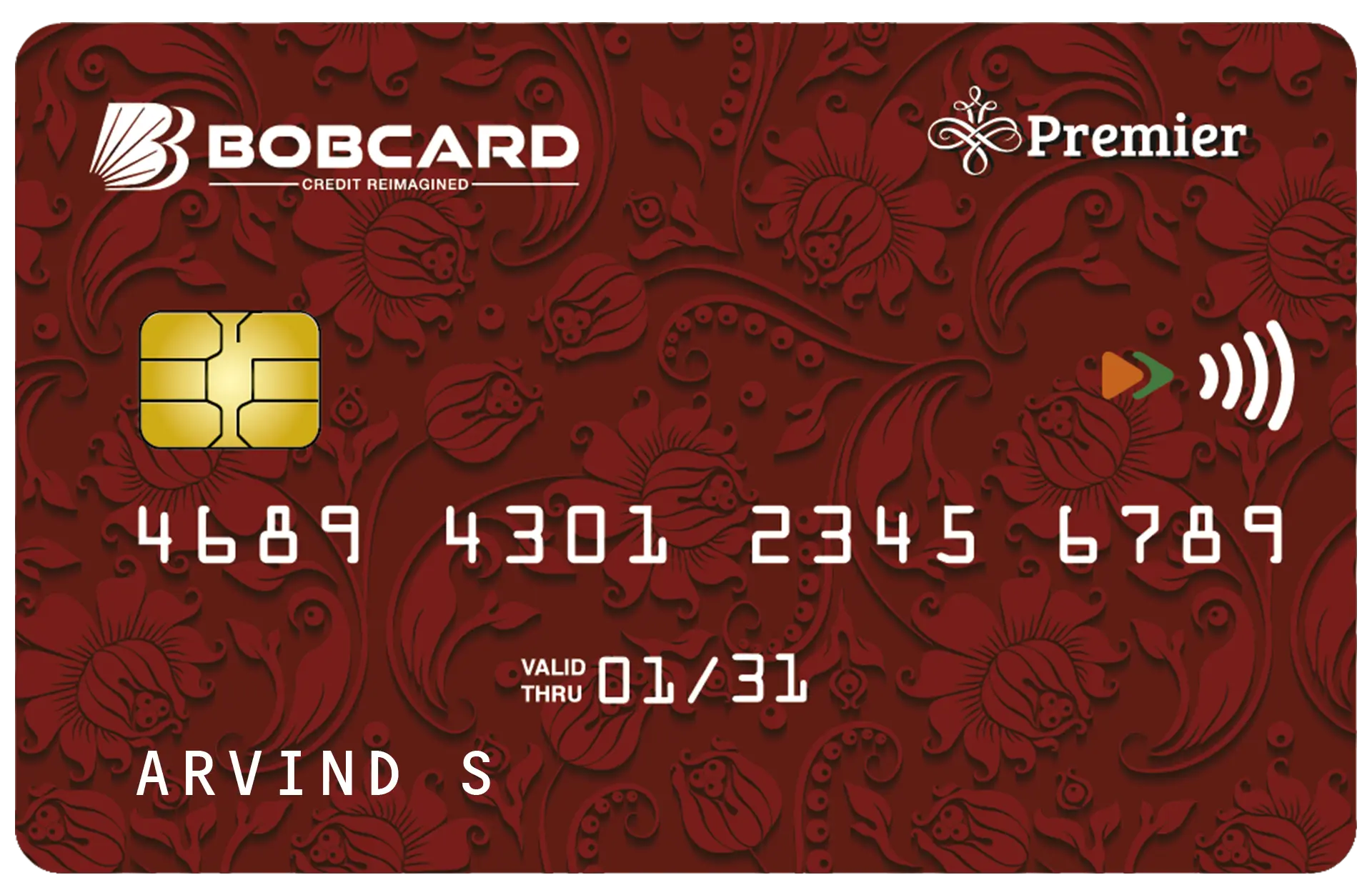
- Choose a card aligned with your primary spending: Online shopper? BOBCARD Cashback. Frequent domestic traveller? BOBCARD Premier or Eterna. Student or first job? FD-backed secured card.
- Keep your credit utilisation below 30% - if your credit limit is ₹50,000, try not to have more than ₹15,000 outstanding at any time.
- Set up auto-pay for at least the minimum due immediately after receiving your card, as a safety net against forgotten payment dates.
- Set a calendar reminder 5 days before your payment due date to review and pay the full outstanding amount.
- Check your CIBIL score 3 months after getting your card to see how your usage is being recorded.
Frequently Asked Questions
Disclaimer
This article is published by Card24.ai for informational and educational purposes only. The information contained herein is based on publicly available data, product terms, and issuer communications as of May 2026, and is subject to change at any time without notice.
Card24.ai is not affiliated with BOBCARD, Bank of Baroda, or any other financial institution mentioned in this article. This content does not constitute financial advice, investment advice, or a recommendation to apply for any specific credit card or financial product.
Credit card features, annual fees, reward rates, cashback caps, and benefits are subject to change by the issuer at any time. Always verify the current terms and conditions directly with the card issuer at bobcard.co.in or by calling BOBCARD Customer Care at 1800 103 1002 before making any financial decision.
Credit card eligibility is determined by the issuing bank based on your credit score, income, existing liabilities, and other factors. Card24.ai does not guarantee approval for any card discussed on this platform.
Card24.ai may receive referral compensation from card issuers when readers apply for cards through links on our platform. This compensation does not influence our editorial content, rankings, or recommendations. All reviews are independent and based on our own research and analysis.