



















Table of Contents
- 1. Key Takeaways
- 2. Why Standard Credit Cards Do Not Work for Students
- 3. Route 1: BOB Prime Card (Secured Against Fixed Deposit)
- 4. Route 2: Add-On Card via a Parent BOBCARD
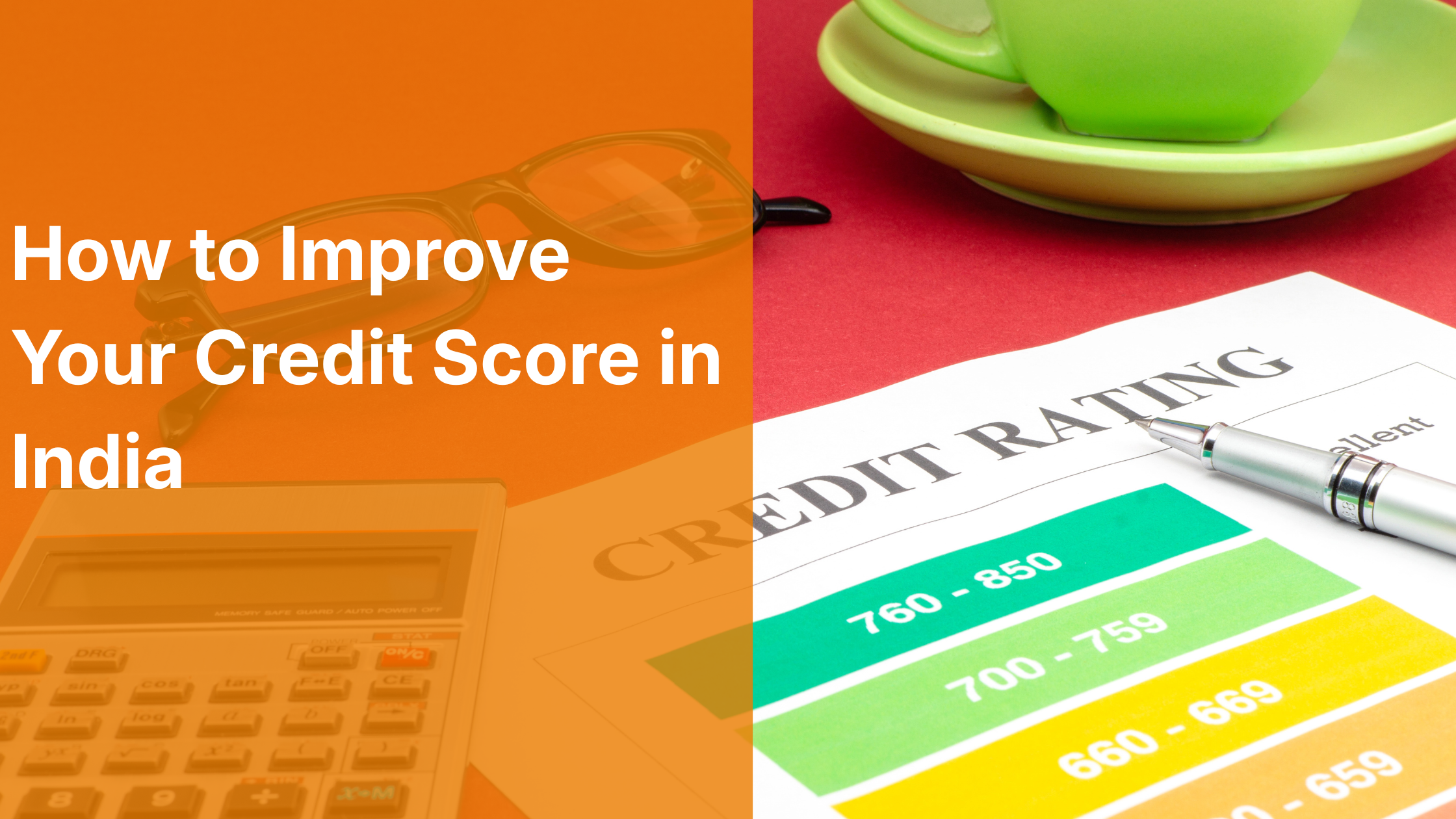
- 5. Using the Prime Card to Build Your Credit Score
- 6. What About Part-Time or Internship Income?
- 7. After Graduation: Upgrading from Prime to Unsecured
- 8. Frequently Asked Questions
Key Takeaways
- Students cannot get a standard unsecured BOBCARD using the regular application route - income proof is required for all unsecured variants.
- The BOB Prime card is the primary route for students - it is secured against a Fixed Deposit of Rs. 30,000 or more at Bank of Baroda. No income proof. No credit history. Guaranteed issuance.
- The Prime card is lifetime free (zero joining fee, zero annual fee). Your FD continues earning interest at the standard Bank of Baroda FD rate.
- Add-on (supplementary) card: if a parent holds a BOBCARD, you can be added as an add-on cardholder - a faster route to getting card access without your own credit assessment.
- Using the Prime card responsibly for 9-12 months builds your CIBIL score - enabling you to apply for a standard unsecured card after graduation or when income begins.
- Minimum age for any BOBCARD is 18 years for add-on cards and typically 21 years for primary cardholders.
Why Standard Credit Cards Do Not Work for Students
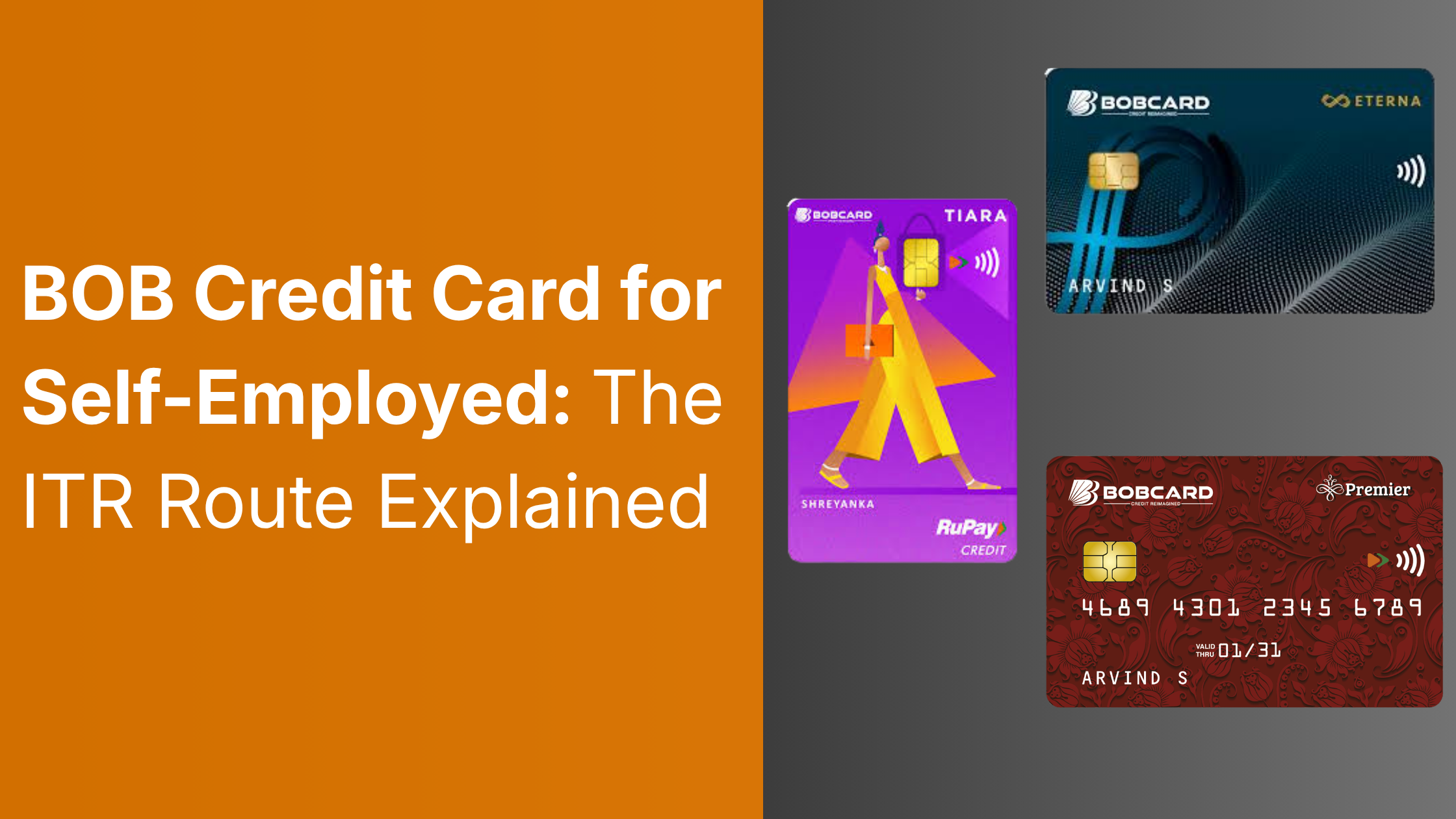
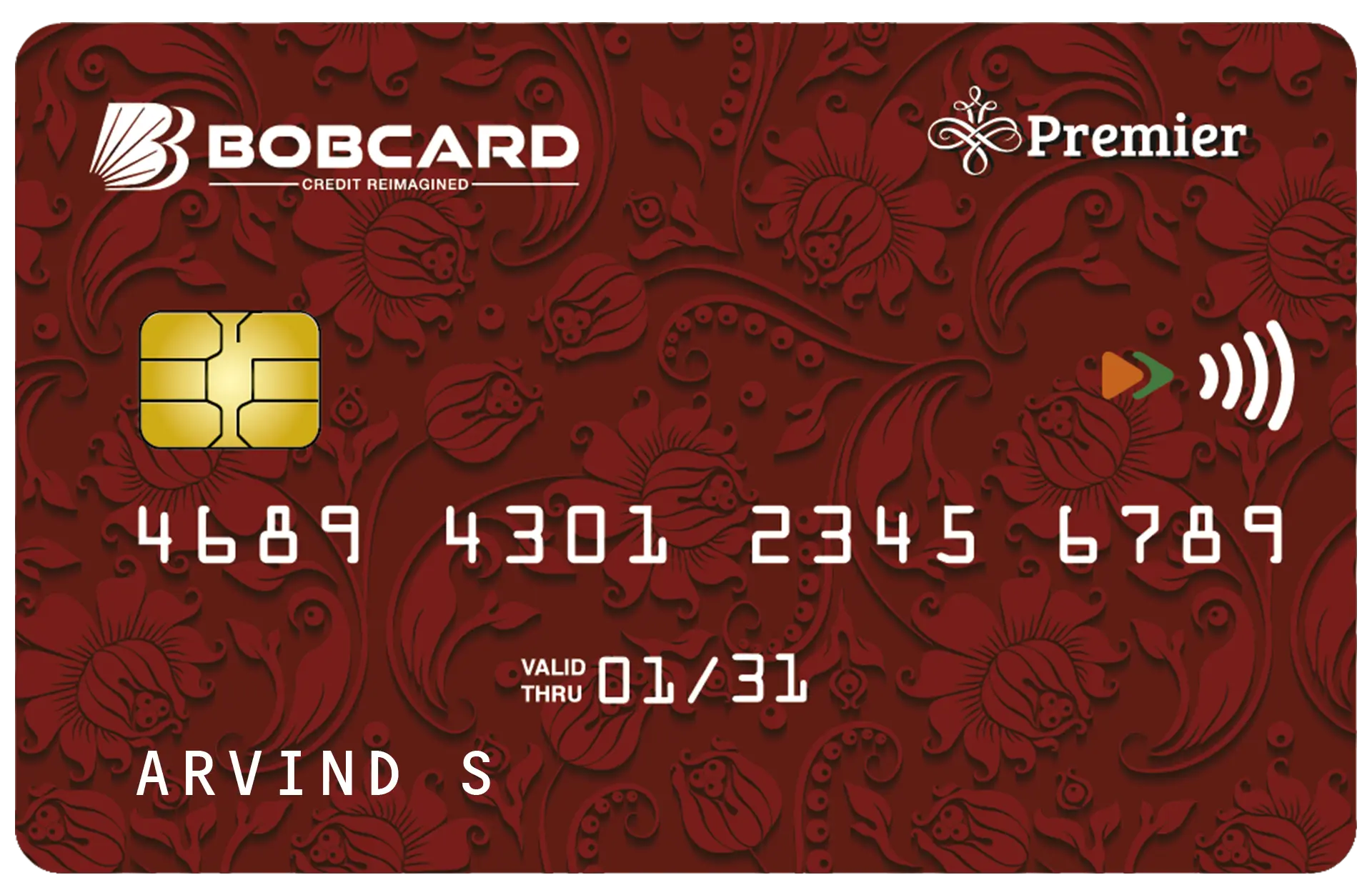
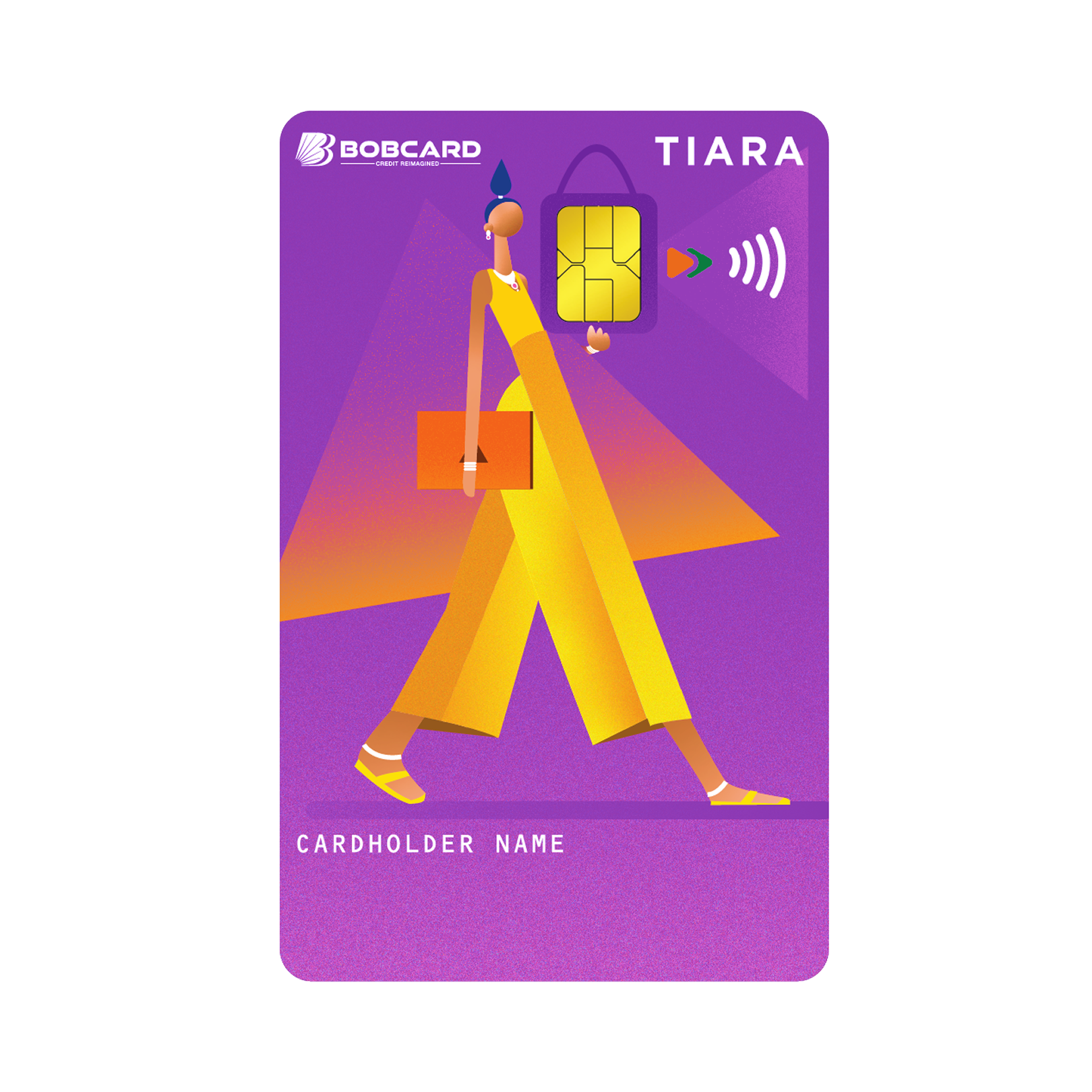
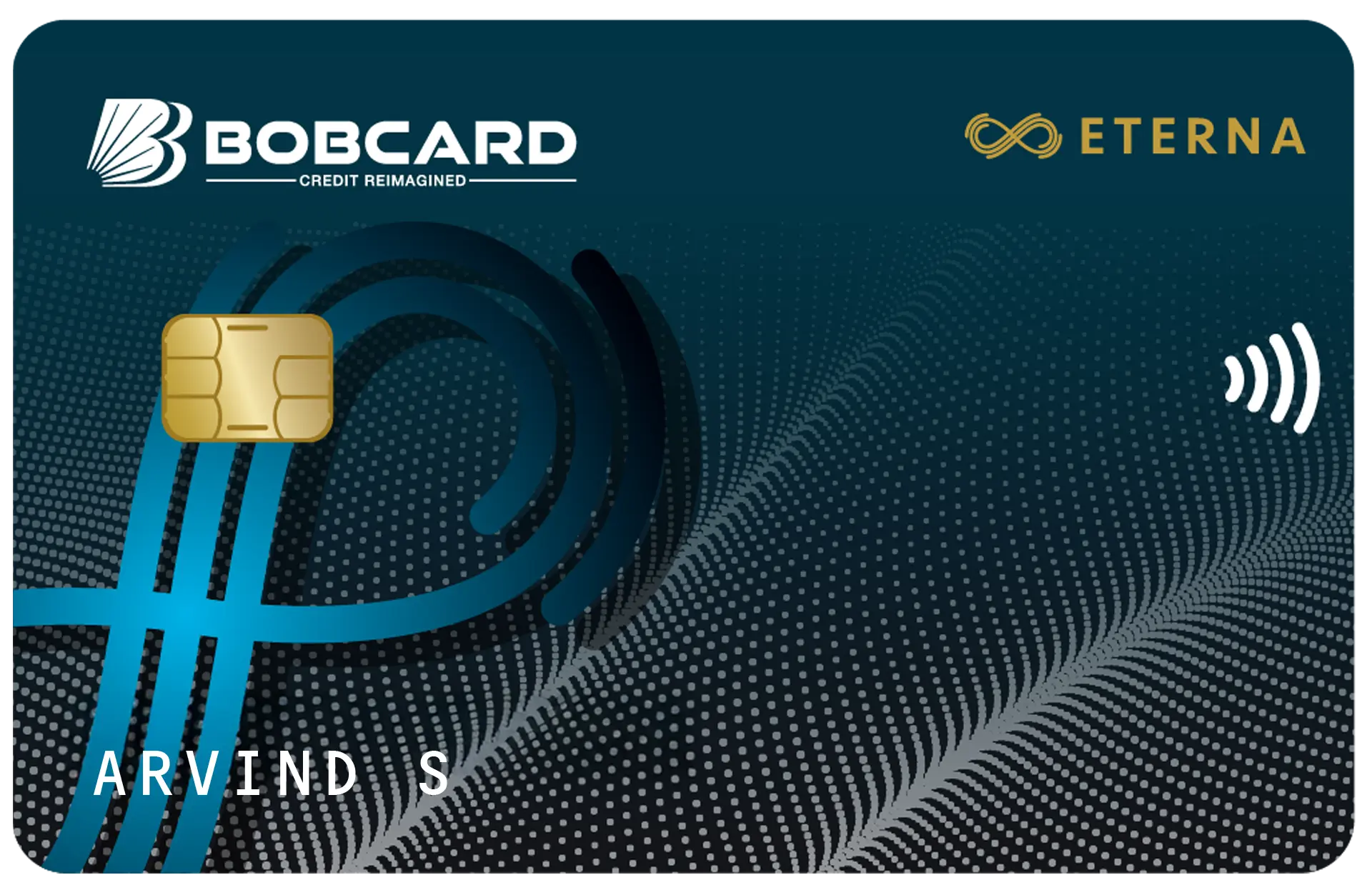
Every standard BOBCARD variant - Easy, Select, Premier, Tiara, Eterna - requires minimum annual income ranging from Rs. 3 lakh to Rs. 12 lakh. Students in full-time education typically have no payslips, no ITR, and no income proof. Even part-time work income is often informal or below these thresholds.
BOBCARD does offer two clear paths: the Prime secured card and the add-on card route. Both are legitimate, functional credit card options while you are still a student.
Route 1: BOB Prime Card (Secured Against Fixed Deposit)
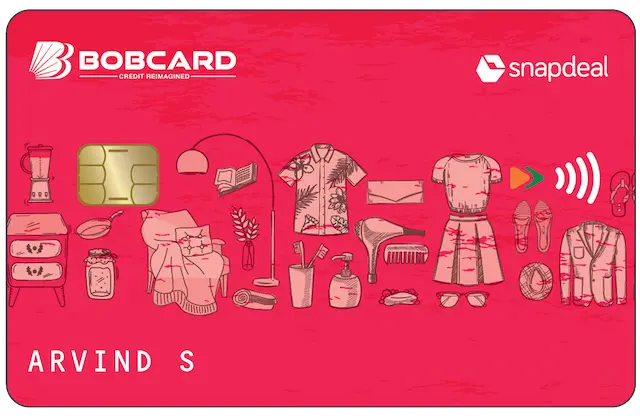
The BOB Prime card is BOBCARD secured credit card - issued against a Bank of Baroda Fixed Deposit of Rs. 30,000 or more. It is designed precisely for people who cannot demonstrate income: students, homemakers, individuals rebuilding credit, and first-time credit users.
How it works
- You (or a family member on your behalf) open a Fixed Deposit of Rs. 30,000 or more at any Bank of Baroda branch or via the Bob World app.
- The FD acts as collateral. Your credit limit is typically set at 80-90% of the FD value.
- BOBCARD issues the Prime card without checking your income or credit score - approval is guaranteed if the FD and KYC requirements are met.
- The FD continues to earn interest at the standard BOB FD rate.
- Zero fees: No joining fee, no annual fee - the Prime card is lifetime free.
Earning with the Prime card
The Prime card earns 2 reward points per Rs. 100 on all eligible spends. These points are redeemable for statement credit and product vouchers via the BOBCARD rewards portal.
Documents required for the Prime card
| Document | Requirement |
|---|---|
| PAN Card | Mandatory - photocopy |
| Identity Proof | Aadhaar Card, Passport, Voter ID, or Driving Licence (any 1) |
| Address Proof | Aadhaar Card, Passport, Utility Bill, or Rental Agreement |
| FD Confirmation | Bank of Baroda FD receipt or passbook showing active FD of Rs. 30,000 or more |
| Photograph | Recent passport-size photograph, plain background |
| Income Proof | NOT REQUIRED for the Prime card |
Who opens the FD?
The FD should be in the student applicant name. A joint FD with the student as primary holder also works. A parent-only FD in the parent name alone cannot be used for the student Prime card application - the FD-to-card linkage requires name matching.
Route 2: Add-On Card via a Parent BOBCARD
If one of your parents holds an active BOBCARD credit card, you can be added as a supplementary (add-on) cardholder. The add-on card is linked to the primary cardholder account and credit limit - it does not require a separate income assessment for the add-on holder.
How it works
- The primary cardholder (parent) applies for an add-on card for you at bobcard.co.in or via BOBCARD customer care.
- The add-on card is issued in your name but functions within the primary cardholder credit limit.
- Transactions on the add-on card are billed to the primary cardholder statement. The primary cardholder is fully responsible for payment.
Practical note
The add-on card gives you spending convenience without credit-building in your own name. For actually building your own CIBIL score, the Prime card in your own name is the better long-term route.
Using the Prime Card to Build Your Credit Score
The real value of the Prime card for students is not the credit card itself - it is the credit history it creates. Here is the sequence:
| Timeline | Action and Outcome |
|---|---|
| Month 1 | Open FD, apply for Prime card, receive card, activate, make first small transaction |
| Month 1-12 | Use the card regularly for small, manageable expenses. Pay the FULL statement balance before the due date every single month. |
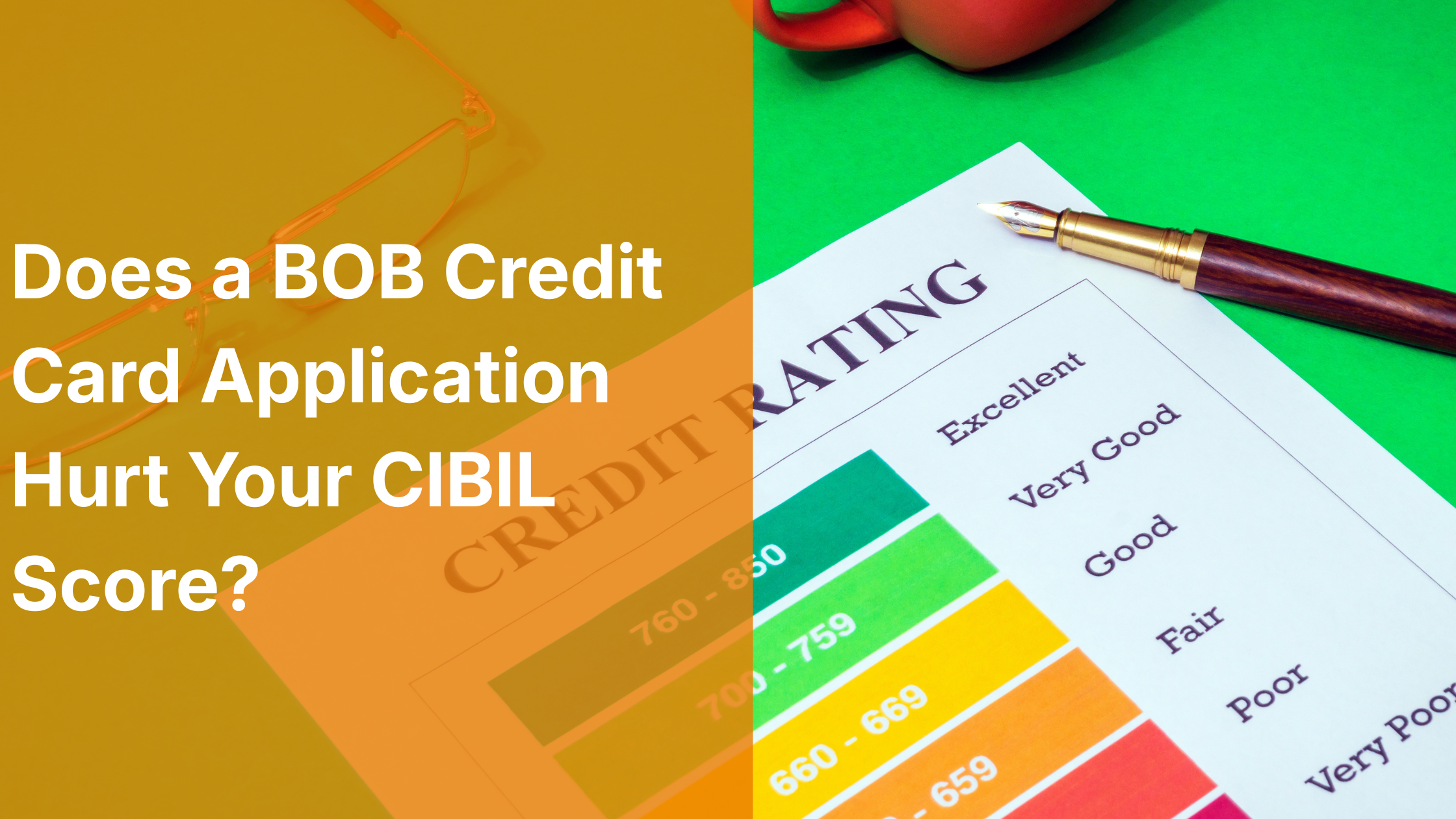
| Month 3-6 | CIBIL/Experian begin registering your credit history. Your score starts forming. |
| Month 9-12 | With 9-12 months of clean repayment history, your score typically reaches 720-760 range. |
| After Graduation / First Job | Apply for an unsecured BOBCARD (Easy or Select) with your salary slip and the CIBIL score you have built. |
The single most important rule: Never miss a payment. A single missed payment can drop your CIBIL score by 50-100 points and stays on your credit report for 7 years. Set up auto-debit for the full statement amount if possible.
What About Part-Time or Internship Income?
Part-time or internship income is generally not accepted as sufficient income proof for unsecured BOBCARD cards - it typically does not meet the annual income thresholds (minimum Rs. 3 lakh/year) and is often informal or project-based without consistent documentation.
If you have a formal internship with a stipend credited to a bank account and can show salary slips plus a letter from the organisation, it is worth attempting an Easy Card application - but approval is not guaranteed. The Prime card route is more reliable.
After Graduation: Upgrading from Prime to Unsecured
When you start earning, apply for an unsecured BOBCARD while retaining or closing your Prime card:
- Salaried: 2 months salary slips and bank statement. Apply for Easy Card if income is Rs. 3 lakh+ (BOB customers) or Rs. 3.6 lakh+ (others). Apply for Select Card at Rs. 4.8 lakh+.
- Self-employed: File your first full-year ITR. Once acknowledged, apply for Easy or Select Card with the ITR acknowledgement and last 3 months bank statement.
- Option 3: Request an upgrade from your existing Prime card to an unsecured variant - contact BOBCARD customer care to check upgrade eligibility based on your credit history.
Frequently Asked Questions
Disclaimer: This article is for informational purposes only and does not constitute financial advice. All eligibility criteria, card features, and processes are subject to change. Verify current terms at bobcard.co.in before applying. BOBCARD Limited (formerly BOB Financial Solutions Limited) is a 100% subsidiary of Bank of Baroda and an RBI-regulated NBFC. Card issuance is at BOBCARD Limited's sole discretion.