



















Table of Contents
- 1. Key Takeaways
- 2. What Cashback Actually Is
- 3. How the Earning Calculation Works
- 4. Monthly Caps: How They Actually Work
- 5. The MCC Problem: Why "Online" Is Not Always "Online"
- 6. Excluded Categories: The Universal List
- 7. Refund Treatment: The Clawback You Need to Know
- 8. The Interest Trap: Why Cashback Means Nothing If You Carry a Balance
- 9. True Cashback vs Reward Points: The Practical Difference
- 10. Calculating Your Card's Real Return Rate
Key Takeaways
- Cashback is a percentage of eligible spend returned to you - either as a direct statement credit or as reward points that require manual redemption.
- True cashback (auto statement credit) and reward points marketed as cashback are not the same thing - the redemption friction and expiry risk differ significantly.
- Every transaction is assigned a Merchant Category Code (MCC) by the payment network. Cashback rates depend on MCC, not on where you think you are spending.
- Monthly caps limit how much cashback you can earn at the premium rate. Once the cap is hit, further spend in that category earns at the base rate or zero.
- Common universal exclusions: fuel, wallet loads, insurance, rent, education, government payments, EMI transactions, cash withdrawals, and jewellery.
- If you return a purchase, the cashback earned on that transaction is clawed back from your next statement.
- Carrying a balance forward eliminates all cashback value - interest at 36–48% p.a. far exceeds any cashback rate.
- The effective return rate of a cashback card = (cashback earned per year − annual fee) ÷ total eligible spend. Always calculate this before choosing a card.
What Cashback Actually Is
Cashback is a percentage of the transaction amount returned to you after a purchase. If a card offers 5% cashback and you spend ₹10,000 on eligible purchases, ₹500 is returned to you. That returned amount is your cashback.
The "returned" mechanism differs by card:
- Statement credit: the cashback is automatically deducted from your outstanding balance on the next statement. No action needed. The most frictionless form.
- Reward points credited as cashback: some cards give you points (e.g. CashPoints, Reward Points) where 1 point = ₹1, but you must log in to a portal, meet a minimum redemption threshold, and initiate the conversion manually before those points reduce your bill.
- Wallet or partner balance: some cards like Amazon Pay ICICI credit cashback to your Amazon Pay balance rather than your card statement. Useful only if you regularly spend within that ecosystem.
True cashback (auto statement credit with no action required) is the cleanest form. Reward points requiring manual redemption carry friction - minimum thresholds, portal logins, expiry dates, and sometimes per-redemption fees (HDFC Millennia introduced a ₹50 redemption fee in 2024).
How the Earning Calculation Works
Every time you make a card transaction, the earning process follows three steps:
Step 1: The transaction is assigned an MCC
Every merchant that accepts card payments is assigned a 4-digit Merchant Category Code (MCC) by the card network (Visa, Mastercard, RuPay) and payment aggregators (Razorpay, PayU, Cashfree, etc.). The MCC classifies what kind of business the merchant is - grocery store, restaurant, airline, online retail, fuel station, and so on.
Your bank uses this MCC - not the merchant's name or your perception of the purchase - to determine which cashback rate applies. This is why the same Swiggy order can earn 5% on one card and 0% on another: one card has Swiggy coded as an eligible online food delivery MCC, the other may code the transaction differently or exclude the MCC entirely.
Step 2: The applicable rate is determined
Your card has multiple earn tiers:
- Accelerated rate (e.g. 5%): applies when the MCC matches an eligible premium category specified in the card's T&C
- Mid-tier rate (e.g. 4% or 3%): applies for specific partner merchants or second-tier categories
- Base rate (e.g. 1% or 0.5%): applies to all other eligible spend not in excluded MCCs
- Zero rate: applies to excluded MCCs (fuel, insurance, government, rent, etc.) regardless of how the transaction is presented
The rate is applied at the transaction level, not the monthly total level. Each transaction is independently assessed against the MCC lookup.
Step 3: Cap check and cashback posting
After the rate is applied, the bank checks whether the monthly cashback cap for that category has been reached in the current statement cycle. If the cap has not been reached, the cashback is accrued. If the cap has been reached, the transaction earns at the base rate or zero for the remainder of the cycle.
Posting timing: most cards post accrued cashback once per statement cycle - either on the statement date or within 2 days of statement generation. A few cards post per transaction, but most batch and credit monthly.

Monthly Caps: How They Actually Work
Almost every cashback card has a cap - a maximum amount of cashback earnable at the premium rate per statement cycle. This is one of the most important numbers to understand before choosing or using a card.
| Card | Online Cap | Other Category Caps | Base Rate Cap |
|---|---|---|---|
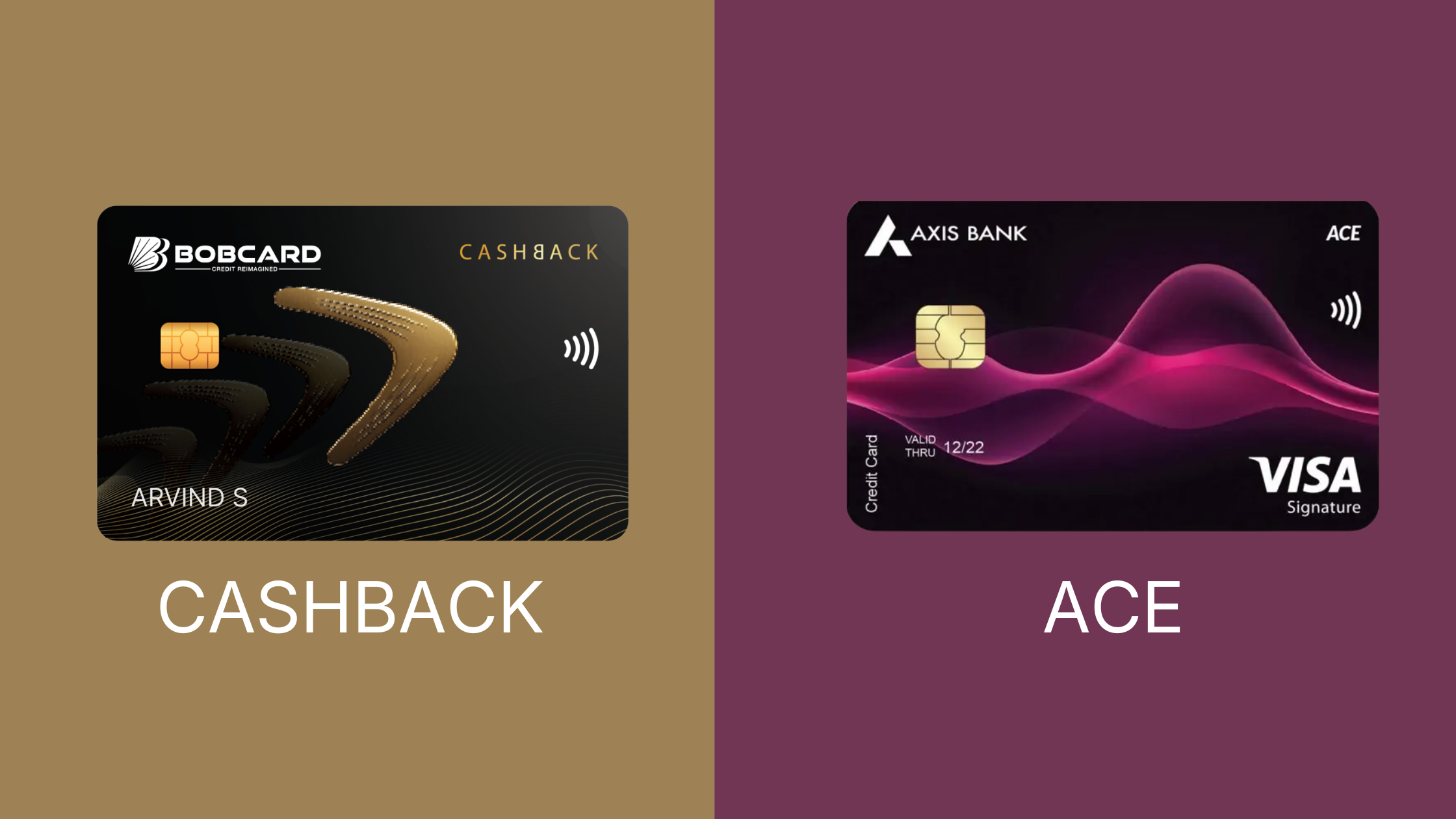
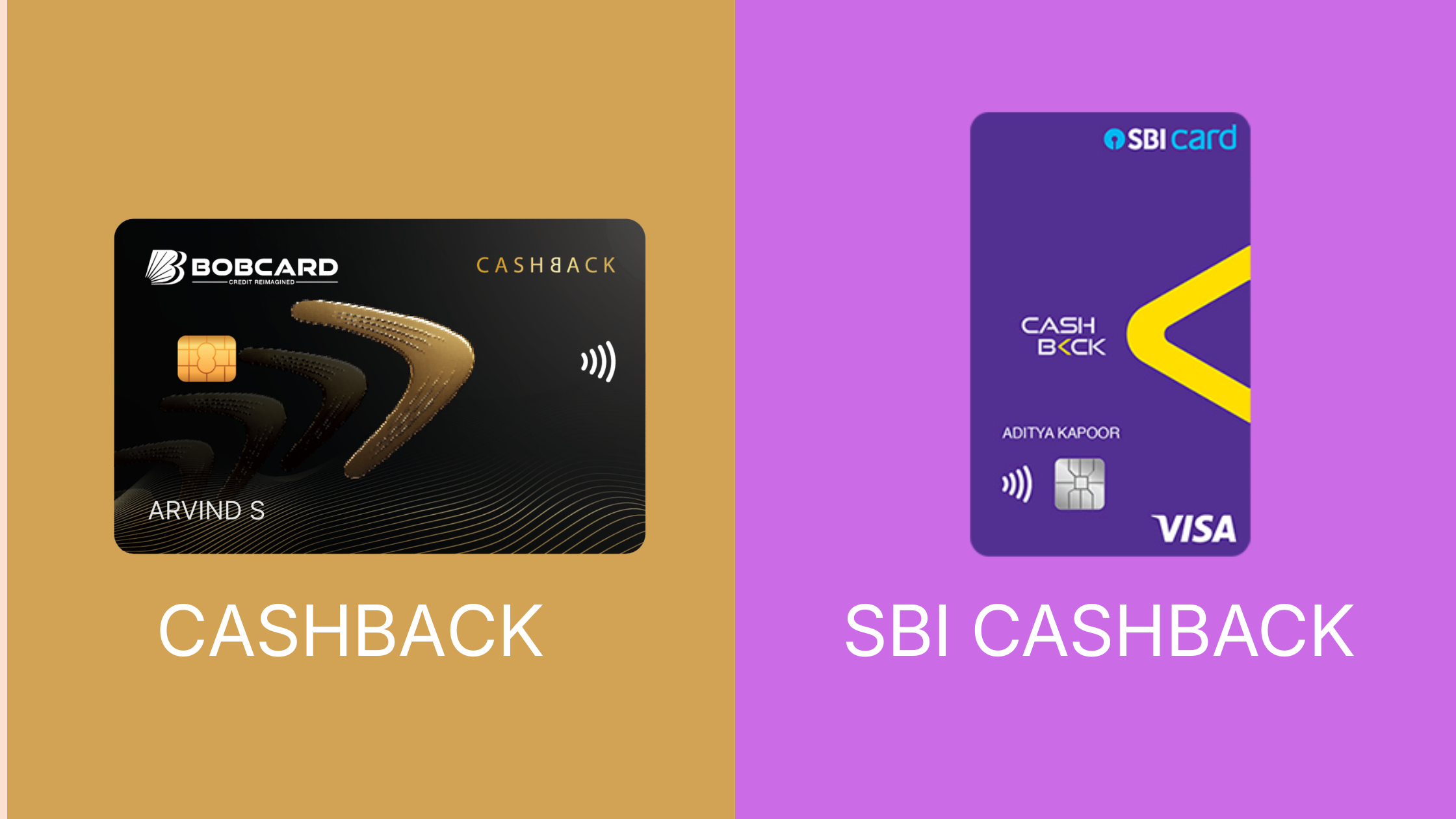
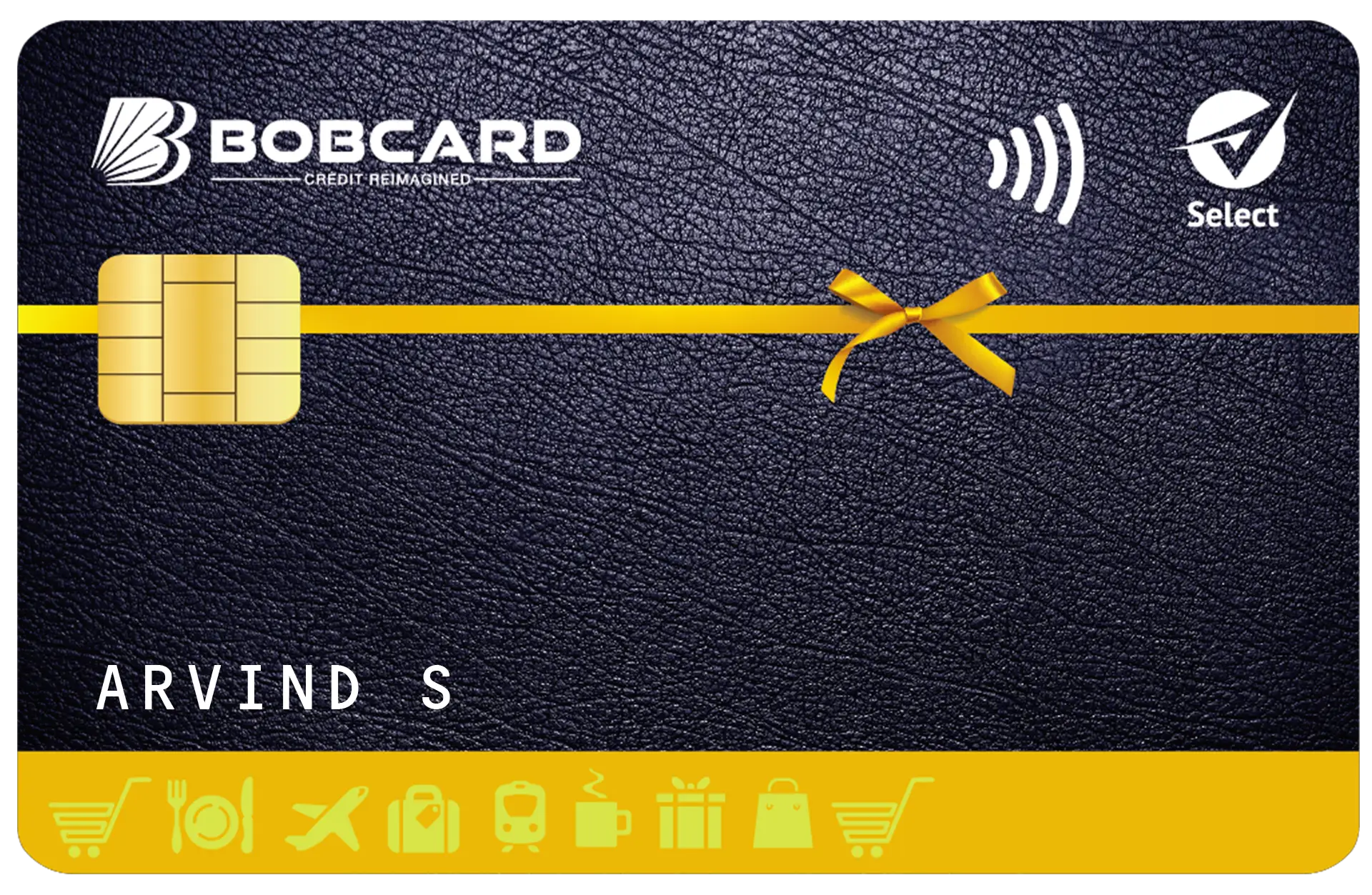
| BOBCARD Cashback | ₹1,500/month (5% on eligible online) | N/A | Unlimited at 1% |
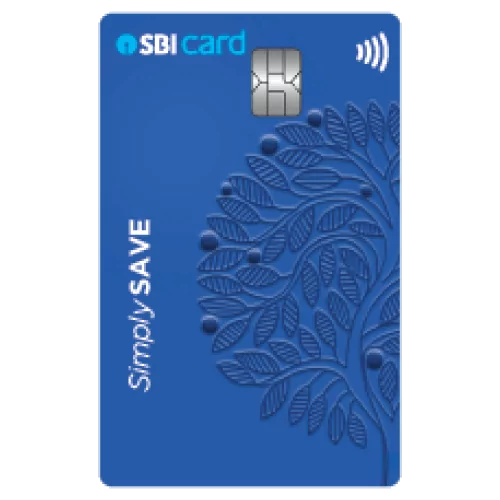
| SBI Cashback Card (post-Apr 2026) | ₹2,000/month (5% online) | ₹2,000/month (1% offline) | Combined ₹4,000 total |
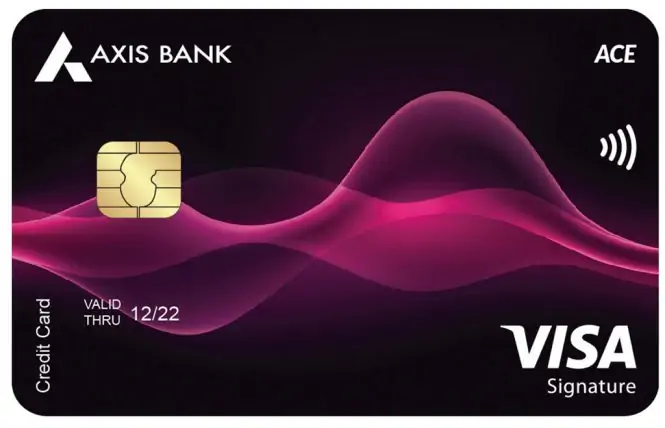
| Axis Ace | ₹500/month combined (5% GPay bills + 4% Swiggy/Zomato/Ola) | N/A | Unlimited at 1.5% |
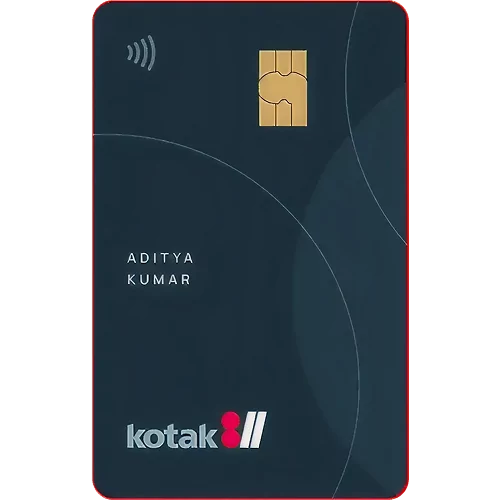
| Kotak Cashback+ | ₹750/month combined (5% food/grocery/entertainment + 3% fuel) | N/A | Unlimited at 0.5% |
| HDFC Millennia (CashPoints) | ₹1,000/month CashPoints on select partners (10%) | Varies | ₹500/month on base |
| Amazon Pay ICICI | Unlimited 5% on Amazon (Prime) / 3% (non-Prime) | Unlimited 2% on Amazon Pay partners | Unlimited 1% on others |
Caps reset at the start of each new statement cycle. A statement cycle is not a calendar month - it runs from your card's billing date to the next billing date. If your billing date is the 10th, your cycle runs 10th to 9th of the next month, not 1st to 31st.
What happens when you hit the cap: spend above the cap in the premium category typically earns at the base rate (1% or 0.5%), not zero. However, some cards drop to zero above the cap for specific categories - verify your card's specific behaviour in its MITC.
The MCC Problem: Why "Online" Is Not Always "Online"
This is the most common source of cashback disappointment in India. A cardholder assumes every online purchase earns the premium online rate. The reality is that the MCC determines the category - and some merchants that feel "online" are coded to MCCs that cards exclude from premium rates.
Common examples of MCC mismatch:
- Utility bill payments: even when paid on a website, utility MCCs are often excluded from online cashback rates. SBI Cashback, BOBCARD Cashback, and most other online-first cashback cards exclude utility payments from the 5% rate - unless explicitly stated otherwise.
- Insurance premiums: paying LIC or health insurance online earns zero cashback on most cards, as insurance MCCs are universally excluded.
- Supermarkets and grocery: some online grocery platforms (Blinkit, BigBasket) are coded to grocery/supermarket MCCs. On cards that exclude supermarket MCCs (like BOBCARD Cashback), these transactions may earn base rate or zero rather than the 5% online rate.
- Fast food restaurants: Swiggy and Zomato on some cards are excluded if coded as food service MCCs - they earn base rate rather than the online shopping rate.
- Education and government portals: always excluded. Paying tuition fees or property tax online earns zero cashback regardless of card.
The practical check: before routing a specific type of spend to a cashback card, look up that merchant category in your card's MITC exclusion list. If your card offers 5% on "online spends" but excludes MCC 5411 (grocery stores) and MCC 5812 (restaurants), your Swiggy and BigBasket spend will not earn 5% - regardless of the fact that you made the purchase on a phone.
Excluded Categories: The Universal List
While each card has its own specific exclusion list in its MITC, the following categories are excluded from cashback on virtually every Indian credit card:
| Excluded Category | Why It's Excluded | What You Still Get |
|---|---|---|
| Fuel at petrol pumps | High-volume, low-margin category - cards offer a surcharge waiver instead | 1% fuel surcharge waiver (capped) |
| Wallet loads (Paytm, PhonePe wallet) | Prevents double-dipping - earning cashback to load wallets that are then spent again | 0% cashback; may attract 1% loading fee |
| Insurance premiums | Industry convention - insurers pay acquisition costs, not ongoing cashback subsidies | 0% cashback |
| Rent payments | Added as exclusions in 2025–26 as rent portals grew in use | 0% cashback; 1% processing fee on some cards |
| Education fee payments | Similar to government payments - low-margin bulk transactions | 0% cashback |
| Government payments (taxes, utility bills via government portals) | Transaction cost exceeds cashback value for issuers | 0% cashback |
| Cash withdrawals from ATMs | Not a purchase - no merchant, no MCC, no cashback | N/A |
| EMI transactions | The purchase is already benefiting from interest-free credit - double benefit exclusion | Check card MITC - some exclude, some allow |
| Jewellery | Anti-money-laundering and fraud risk management | 0% cashback |
| Quasi-cash (gift cards, forex, money orders) | Too easily converted to cash - systematic exclusion | 0% cashback |
Refund Treatment: The Clawback You Need to Know
If you return a purchase on which you earned cashback, the bank claws back the cashback proportionally from your next statement. This applies regardless of whether the cashback had already been posted.
Example: you spend ₹20,000 online and earn ₹1,000 cashback (5%). The cashback is credited on your statement. You then return the item for a full refund. On your next statement, the ₹1,000 cashback is debited back. Your net position: ₹0 cashback, ₹0 purchase amount outstanding.
Partial refunds claw back proportional cashback - a 50% refund on a ₹20,000 purchase reverses ₹500 of the ₹1,000 cashback.
This matters most when:
- You are returning high-value items purchased specifically to hit a cashback cap or milestone
- You have already spent the cashback credit (reduced your bill by the cashback amount) before the return is processed - the clawback will add the cashback amount back to your outstanding
The Interest Trap: Why Cashback Means Nothing If You Carry a Balance
This is the most important concept in this guide. Cashback has a positive return only when you pay your full bill every month.
The math: a card offering 5% cashback at a finance charge rate of 3.5% per month (42% per annum):
- If you spend ₹10,000 and earn ₹500 cashback but carry the balance for 30 days: interest = ₹350. Net gain: ₹500 − ₹350 = ₹150.
- If you carry the balance for 90 days: interest = ₹1,050. Net result: loss of ₹550 despite earning ₹500 cashback.
- If you only pay the Minimum Amount Due (MAD): interest accrues from the statement date on the entire unpaid balance, and new purchases also lose the grace period and accrue interest from their transaction date. The "cashback" becomes a small discount on a much larger interest cost.
True Cashback vs Reward Points: The Practical Difference
| Dimension | True Auto-Credit Cashback | Reward Points Marketed as Cashback |
|---|---|---|
| Examples | SBI Cashback Card, BOBCARD Cashback, Axis Ace | HDFC Millennia (CashPoints), Kotak Cashback+ (reward points), HDFC Swiggy (CashPoints) |
| How value is returned | Automatically deducted from statement on posting date | Accumulated in rewards account; must be manually redeemed via bank portal |
| Minimum redemption | None - credited automatically | Typically 500 points minimum; some cards require multiples (HDFC: multiples of 4,000 from 2025) |
| Redemption fee | None | Some cards charge per-redemption fees (HDFC Millennia: ₹50 per redemption from Aug 2024) |
| Expiry risk | None - cashback is credited and reduces balance immediately | Points expire (typically 12–24 months); unclaimed points are forfeited |
| Flexibility | Fixed as statement credit | Some allow redemption for travel, vouchers, or merchandise (at varying values per point) |
| Annual value leakage | Near zero if auto-credited | Industry estimates suggest significant annual value is lost to expired unredeemed points in India |
For cardholders who want genuine simplicity, true auto-credit cashback cards (SBI Cashback, BOBCARD Cashback, Axis Ace) require zero management. Reward points cards can occasionally deliver higher redemption value (e.g. travel redemptions at ₹0.50–₹1.00 per point vs ₹0.25 statement credit on some cards) but require attention and action to realise that value.
Calculating Your Card's Real Return Rate
The headline cashback percentage is not your actual return. Your effective return rate depends on:
- What percentage of your total spend falls in eligible categories (not excluded by MCC)
- Whether you hit the monthly cap before your statement cycle ends
- The annual fee you pay (which reduces net cashback earned)
- Whether cashback is auto-credited or requires manual redemption (expiry risk)
Formula: Effective Annual Return = (Total cashback earned in 12 months − Annual fee) ÷ Total eligible annual spend × 100
Example: BOBCARD Cashback at ₹30,000/month eligible online spend:
- Monthly online cashback: ₹1,500 (cap reached at ₹30,000 × 5%)
- Monthly offline cashback: ₹5,000 offline × 1% = ₹50
- Annual total: (₹1,500 + ₹50) × 12 = ₹18,600
- Annual fee: ₹499 + GST = ₹589
- Net annual cashback: ₹18,600 − ₹589 = ₹18,011
- Effective return on ₹35,000/month total spend (₹4.2L/year): ₹18,011 ÷ ₹4,20,000 = 4.29%
This is a more honest metric than "5% cashback" - because the 1% offline rate on half the spend drags the blended rate significantly below 5%.
Frequently Asked Questions
Disclaimer
Cashback rates, caps, exclusions, and posting timelines mentioned in this guide are based on published card terms as of July 2026 and are subject to change. Always verify current terms in the respective card's MITC before making spend decisions. This guide is for informational purposes only and does not constitute financial advice. This article is for informational purposes only and does not constitute financial or legal advice. All card features, fees, and terms are subject to change. Data sourced from official bank product pages and MITC documents as of July 2026. Readers are advised to verify current terms directly on the issuing bank's product page before applying. BOBCARD Limited (formerly BOB Financial Solutions Limited) is a 100% subsidiary of Bank of Baroda and an RBI-regulated entity.