
















































Fuel Surcharge Waiver
Most fuel cards waive the 1% surcharge every petrol pump charges on card payments, an instant saving on every fill-up.

Most fuel cards waive the 1% surcharge every petrol pump charges on card payments, an instant saving on every fill-up.
Earn reward points or direct cashback on fuel purchases at partner pumps such as HPCL, BPCL or IndianOil, depending on the card.
Fuel cards usually have low annual fees, often under ₹500, which can also be waived when you meet the required yearly spending threshold.
Many fuel cards also reward grocery, dining or utility spends, so the value extends well beyond the petrol pump.
Compare the cards that give the most value back on petrol, diesel and everyday fuel spends.
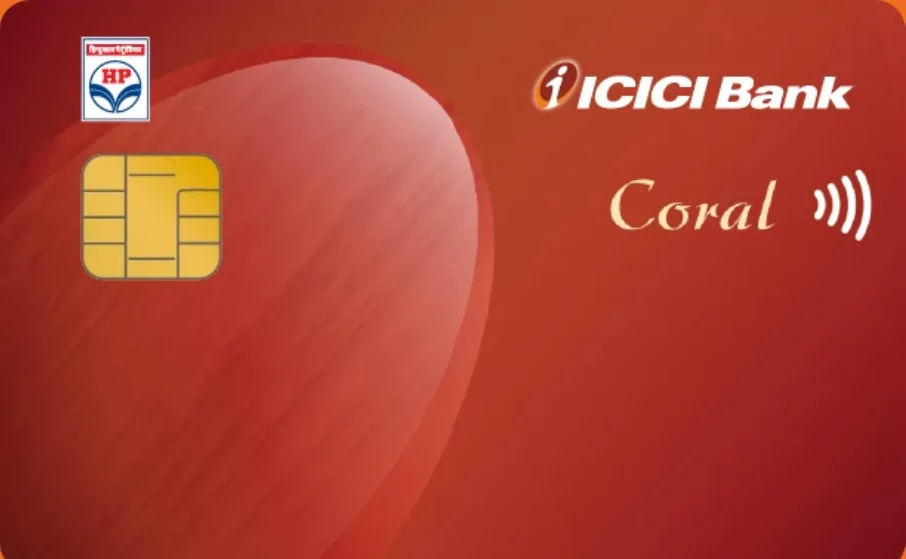
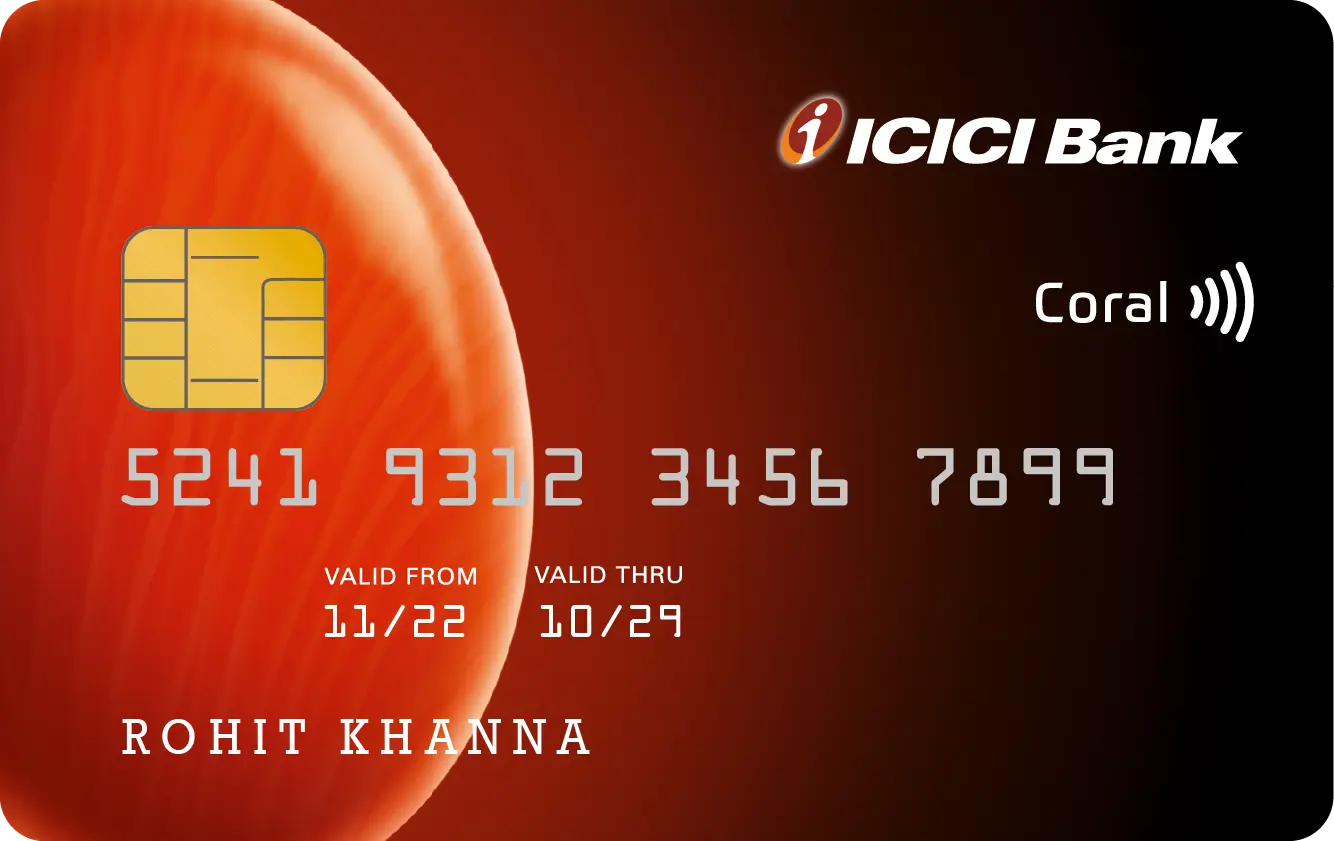
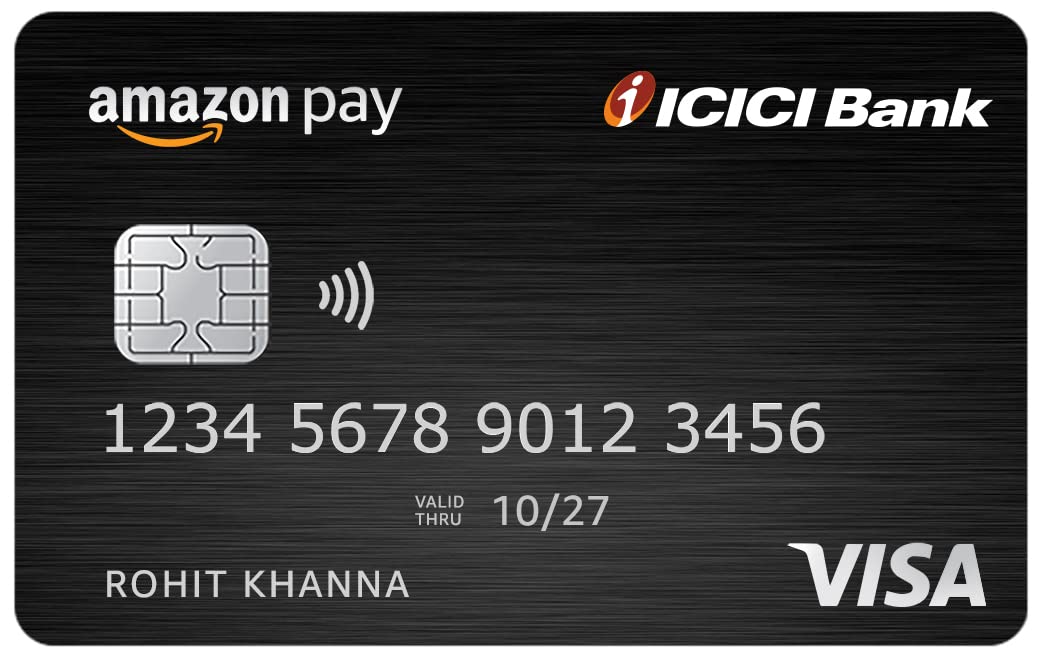
ICICI typically requires a minimum monthly income of ₹15,000-17,500 for salaried applicants on this entry-level card. The 1% surcharge waiver applies only on fuel transactions between ₹400 and ₹4,000, so very small or very large single fuel purchases fall outside the waiver.
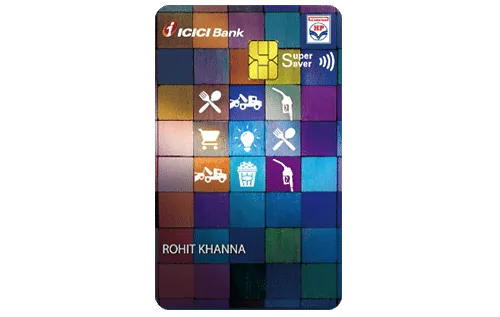
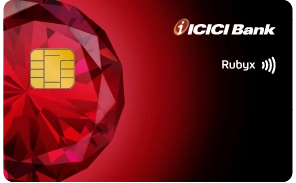
ICICI typically requires a minimum monthly income of ₹20,000 for salaried applicants, a step up from the Coral variant. The 5% grocery and utility cashback is capped at a fixed monthly ceiling, and the quarterly lounge visit doesn't roll over if unused in a given quarter.
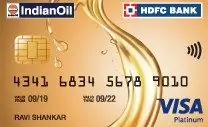
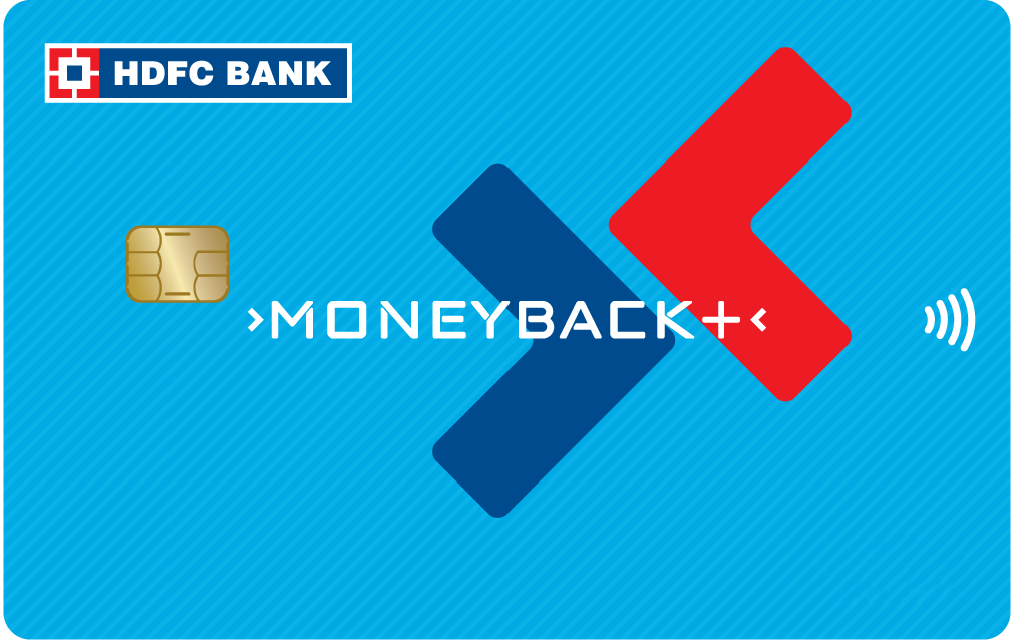
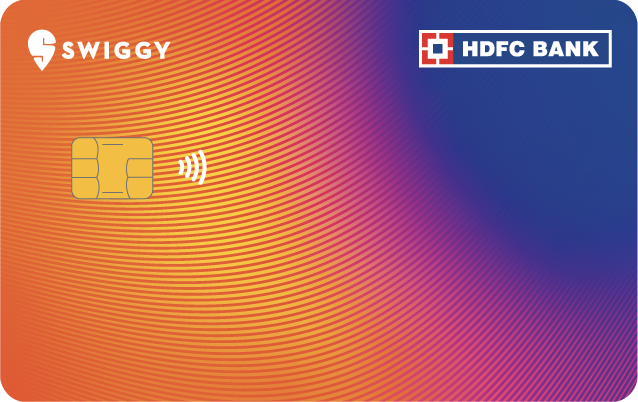
HDFC typically requires a minimum monthly income of ₹20,000-25,000 for salaried applicants on this co-branded card. Fuel Points redeem specifically for free fuel at IndianOil outlets through HDFC's SmartBuy platform, and the surcharge waiver applies only to transactions between ₹400 and ₹5,000 at IOCL pumps.
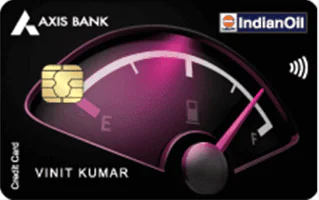
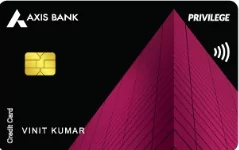
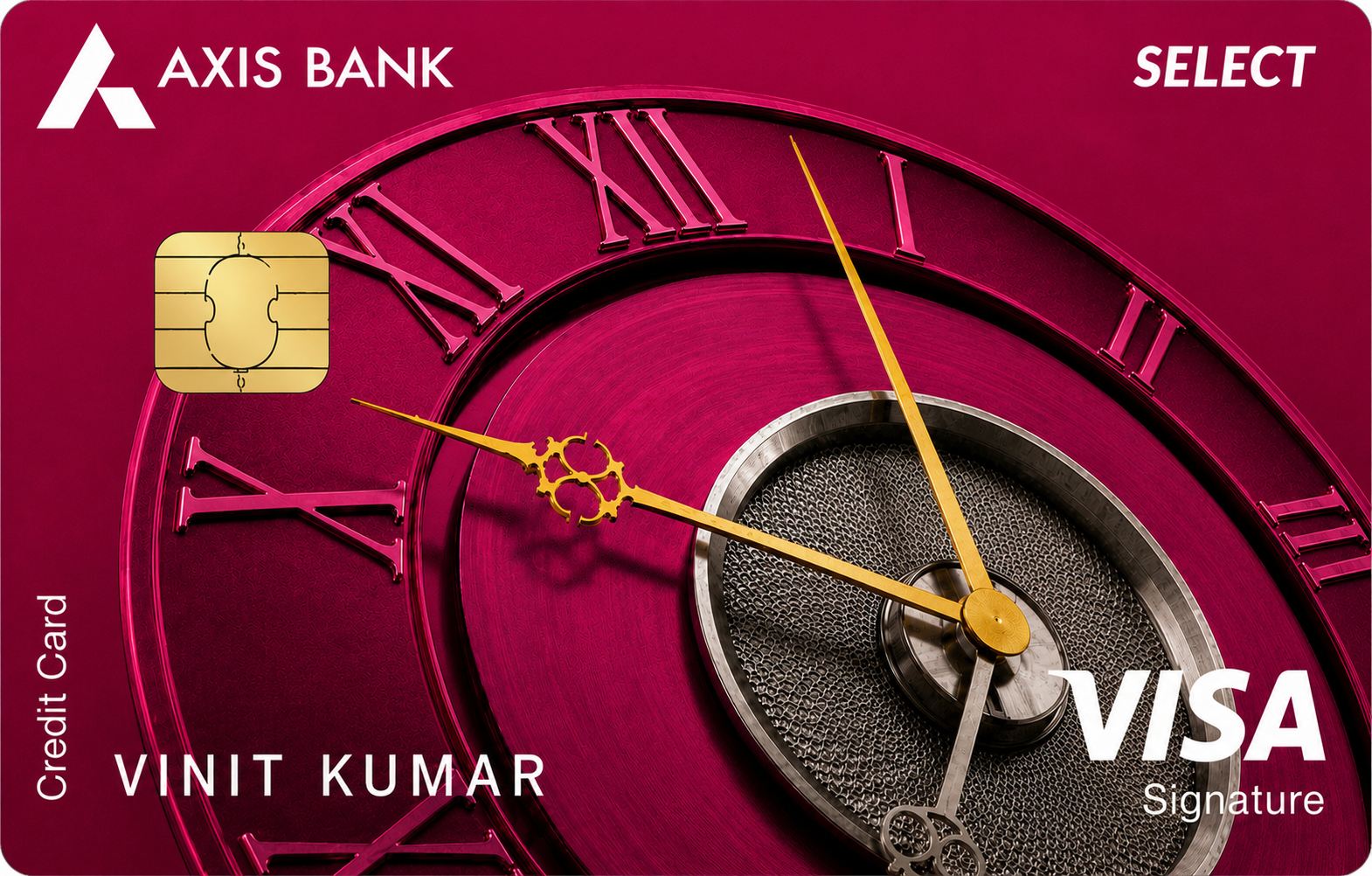
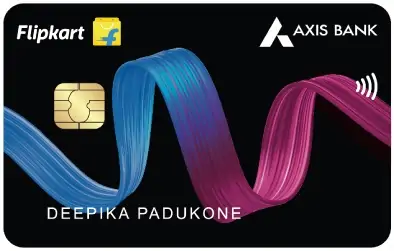
Axis typically requires a minimum monthly income of ₹15,000-20,000 for salaried applicants. The ₹200 monthly surcharge waiver cap means heavy fuel spenders effectively see the combined value-back rate taper off once their monthly fuel spend exceeds roughly ₹20,000.

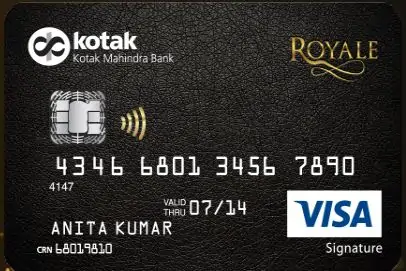
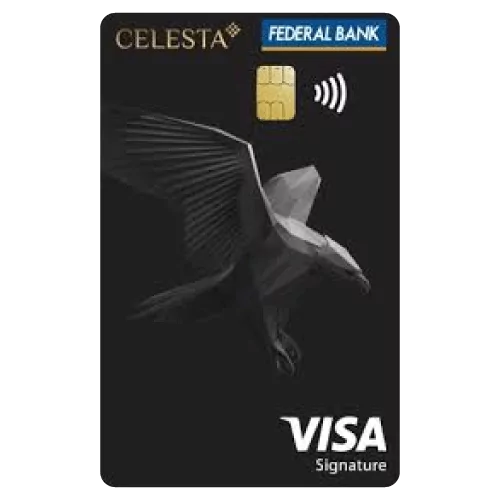
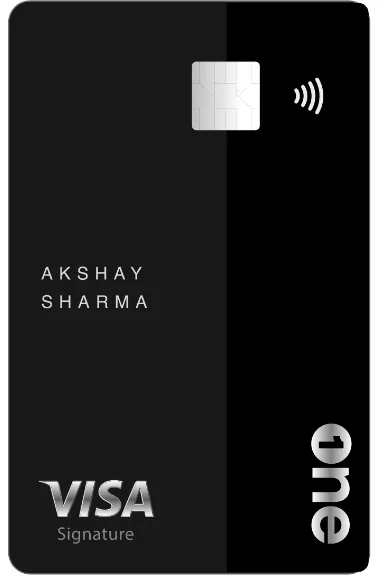
SBI typically requires a minimum monthly income of ₹30,000-35,000 for salaried applicants on this higher-fee fuel card. The 25X accelerated reward rate on BPCL fuel is capped at 4,999 points per statement cycle, so extremely high monthly fuel spends won't earn the accelerated rate indefinitely.
See how three popular fuel cards stack up on fees, value-back rate and extra perks.
| Feature | BPCL SBI Card Octane | IndianOil HDFC Bank | ICICI HPCL Coral |
|---|---|---|---|
| Best for | Octane: highest fuel value-back | IndianOil HDFC: everyday IOCL fill-ups | HPCL Coral: lowest-fee starter option |
| Annual / renewal fee | ₹1,499, waived ₹2L | ₹500, waived ₹50K | ₹199, waived ₹50K |
| Welcome benefit | Octane: 4 lounge visits, 10X dining | IndianOil HDFC: RuPay UPI variant | HPCL Coral: 25% off BookMyShow |
| Cashback rate | 7.25% on BPCL | 5X Fuel Points | 3.5% on HPCL |
| Key limitation | Octane: higher fee to justify | Fuel-only accelerated rate | No lounge access |
Read the full breakdown of each card - eligibility, real reward value, and any conditions behind the ₹0 fee.
Joining fee: ₹1–₹499
Joining fee: ₹1–₹499
Joining fee: ₹1–₹499
Joining fee: ₹1–₹499
Joining fee: ₹1,000–₹2,499
We compare rewards, cashback, bonus rates and redemption value to understand how much you can earn from everyday spending.
We assess joining fees, annual charges, renewal costs and fee waivers to determine whether the benefits justify the overall cost.
We evaluate how well each card rewards everyday spending across shopping, dining, travel, fuel and other common categories.
We evaluate cards using features, fees, rewards, terms and exclusions to help you make a clear and informed comparison.
A BPCL card earns little at an HPCL pump - pick the card tied to where you actually fill up.
Combine the reward rate and surcharge waiver to see the true combined percentage back, not just the headline number.
A higher-fee card like Octane only pays off if your fuel spend is high enough to earn back the difference.
Cards like HPCL Super Saver also reward groceries and utilities - useful if fuel isn't your only regular spend.
Tip: The best fuel card is the one tied to the pump you actually use - a great rate at the wrong brand's pump earns you nothing.
A fuel credit card is built to offset the cost of regular petrol, diesel or CNG spends, usually through a combination of reward points and a waived fuel surcharge - the 1% fee most pumps add on card payments. Popular fuel credit cards in India include the BPCL SBI Card Octane, ICICI HPCL Coral, ICICI HPCL Super Saver, and co-branded options from Axis Bank and HDFC Bank tied to IndianOil.
Most people pick a fuel card based on which oil company's pumps they use most - HPCL, BPCL or IndianOil - since the accelerated rate typically only applies at that brand's stations.
The real value of a fuel credit card comes down to your monthly fuel spend and which oil company you actually fill up at, more than the headline value-back percentage alone.
Fuel is just one line item - these categories cover the rest of your monthly spending.
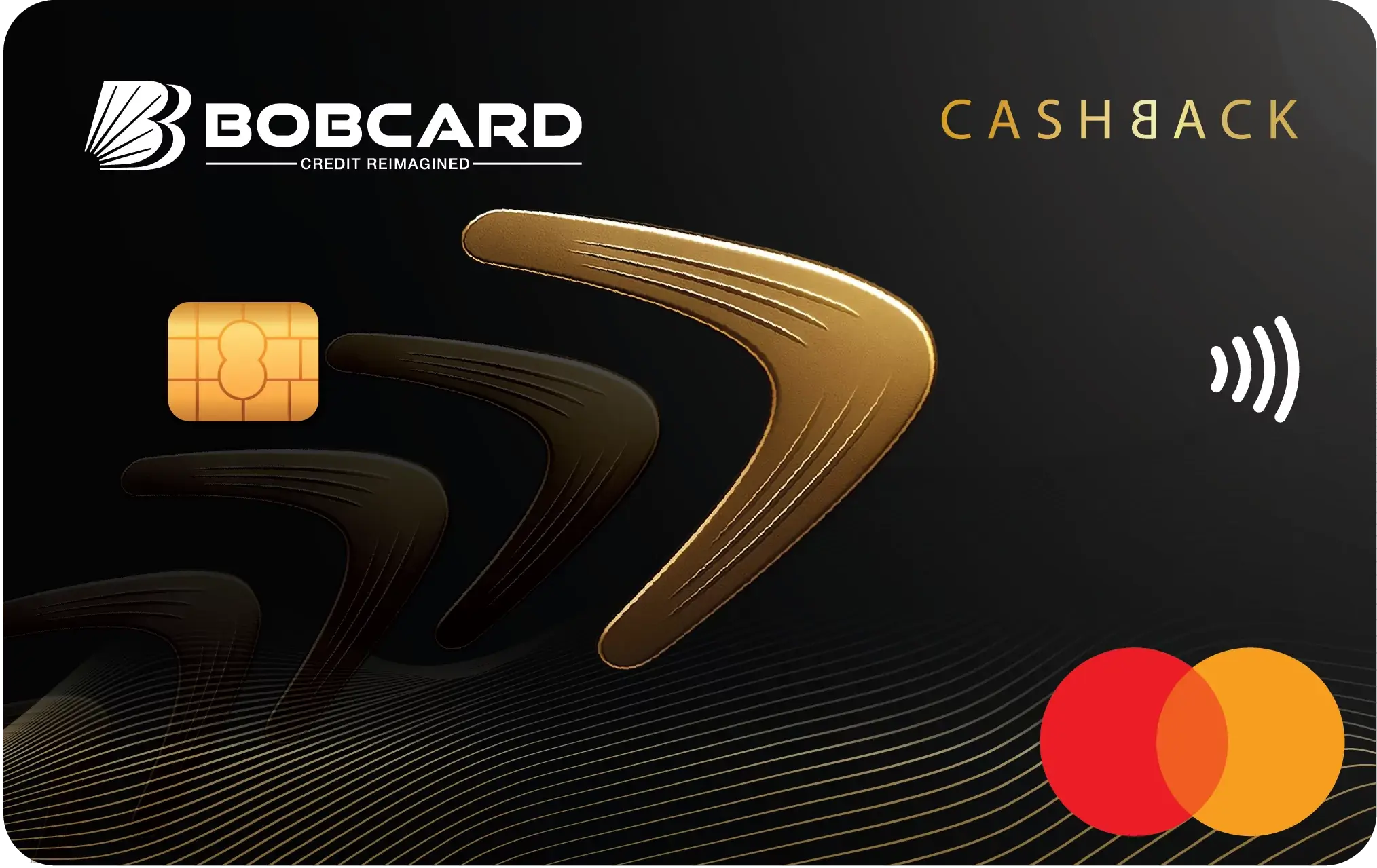
Joining fee: ₹499 / year
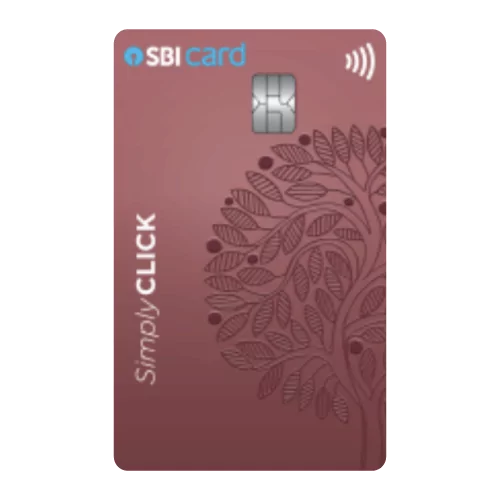
Joining fee: ₹499 / year, waived at ₹1L spend
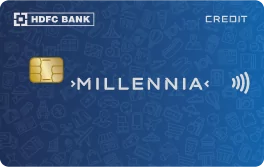
Joining fee: ₹1,000 / year, waived at ₹1L spend
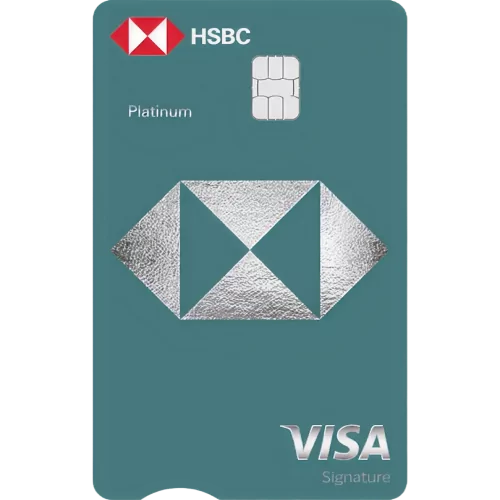
Joining fee: Lifetime Free
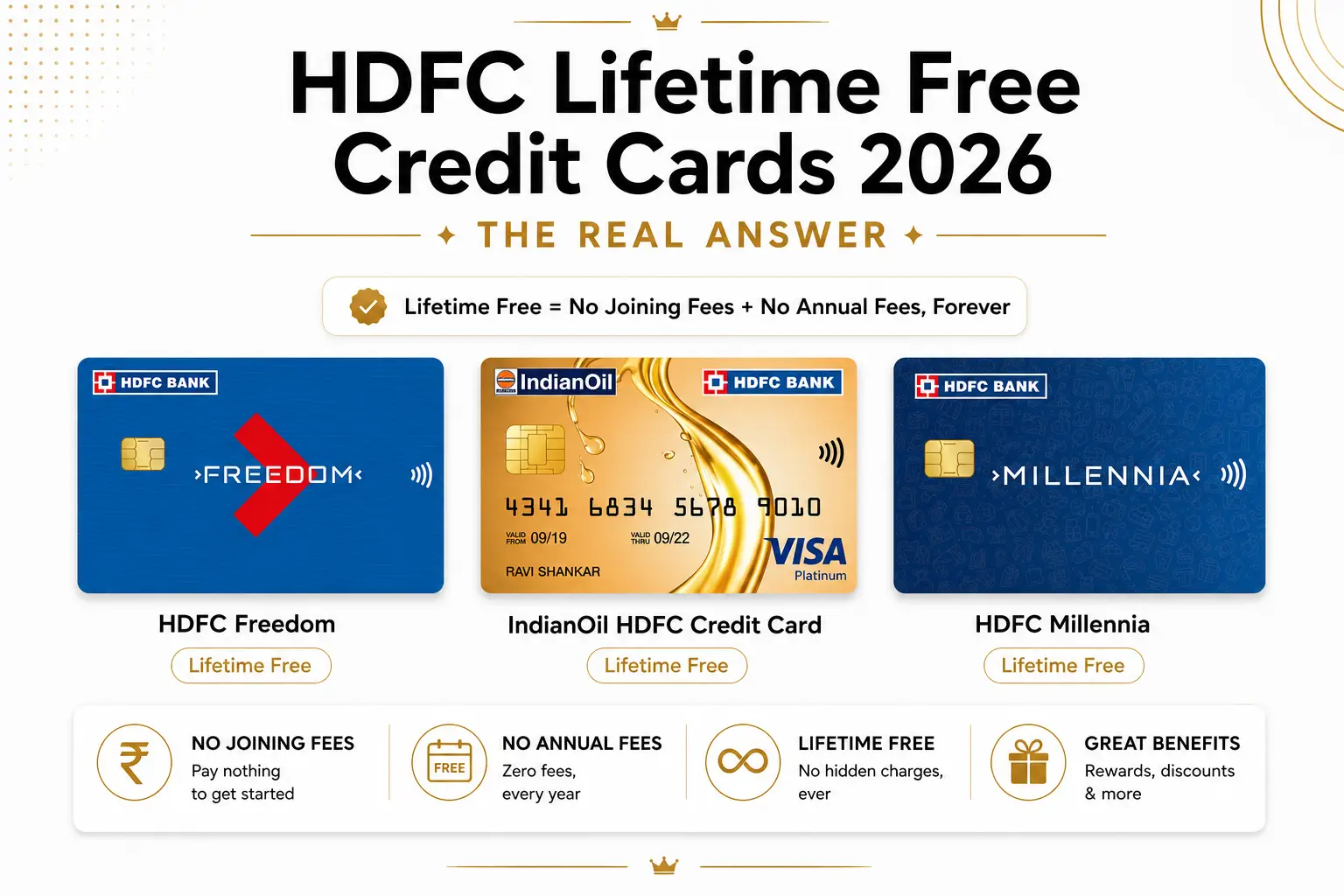
HDFC doesn't have a true lifetime-free mainstream card in 2026 - here's exactly why, the fee-waiver thresholds on Millennia, Freedom and others, and what happened to Solitaire.
Read Guide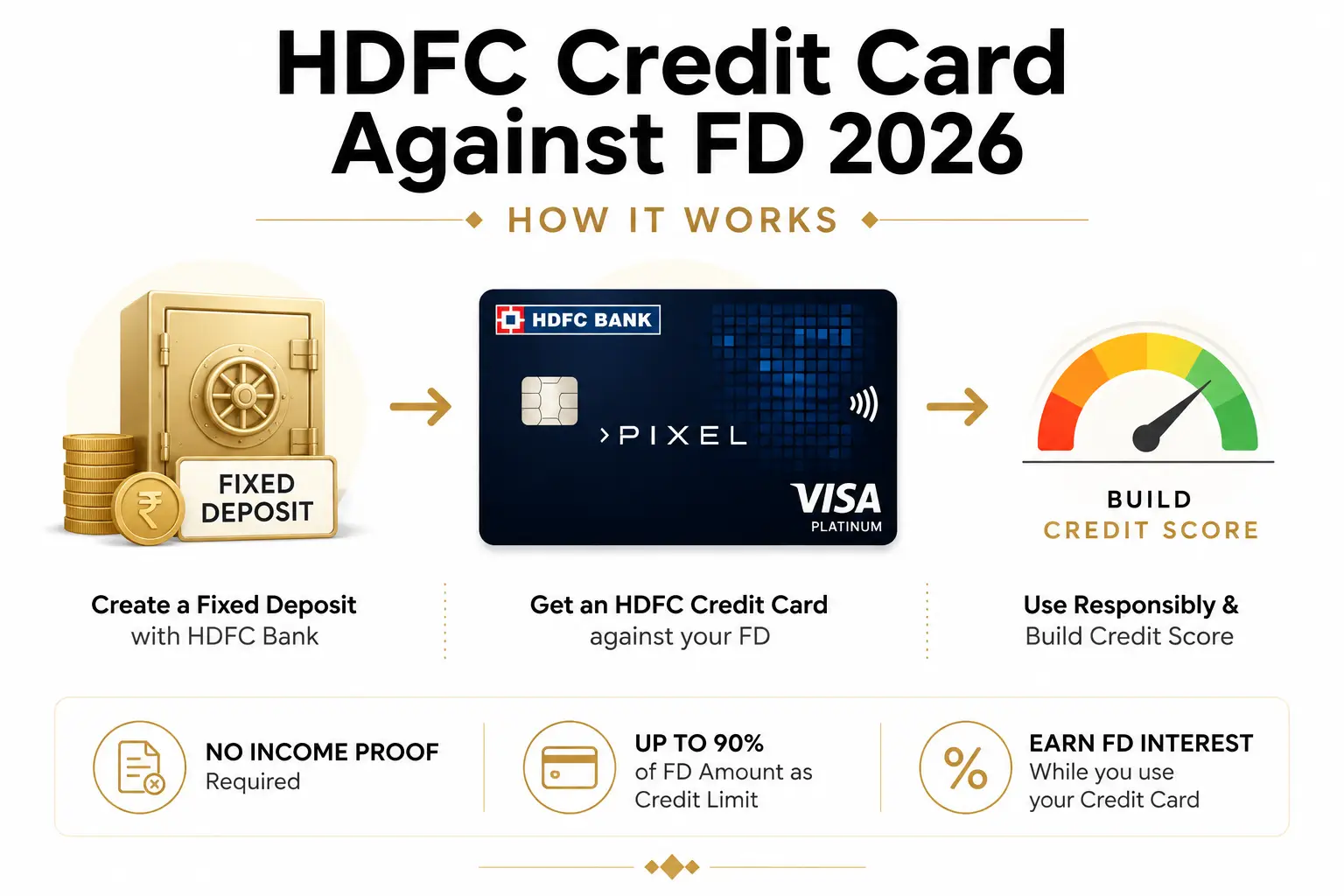
How HDFC's FD-secured credit card route actually works - minimum deposit, credit limit rules, eligibility and which HDFC cards you can get this way.
Read Guide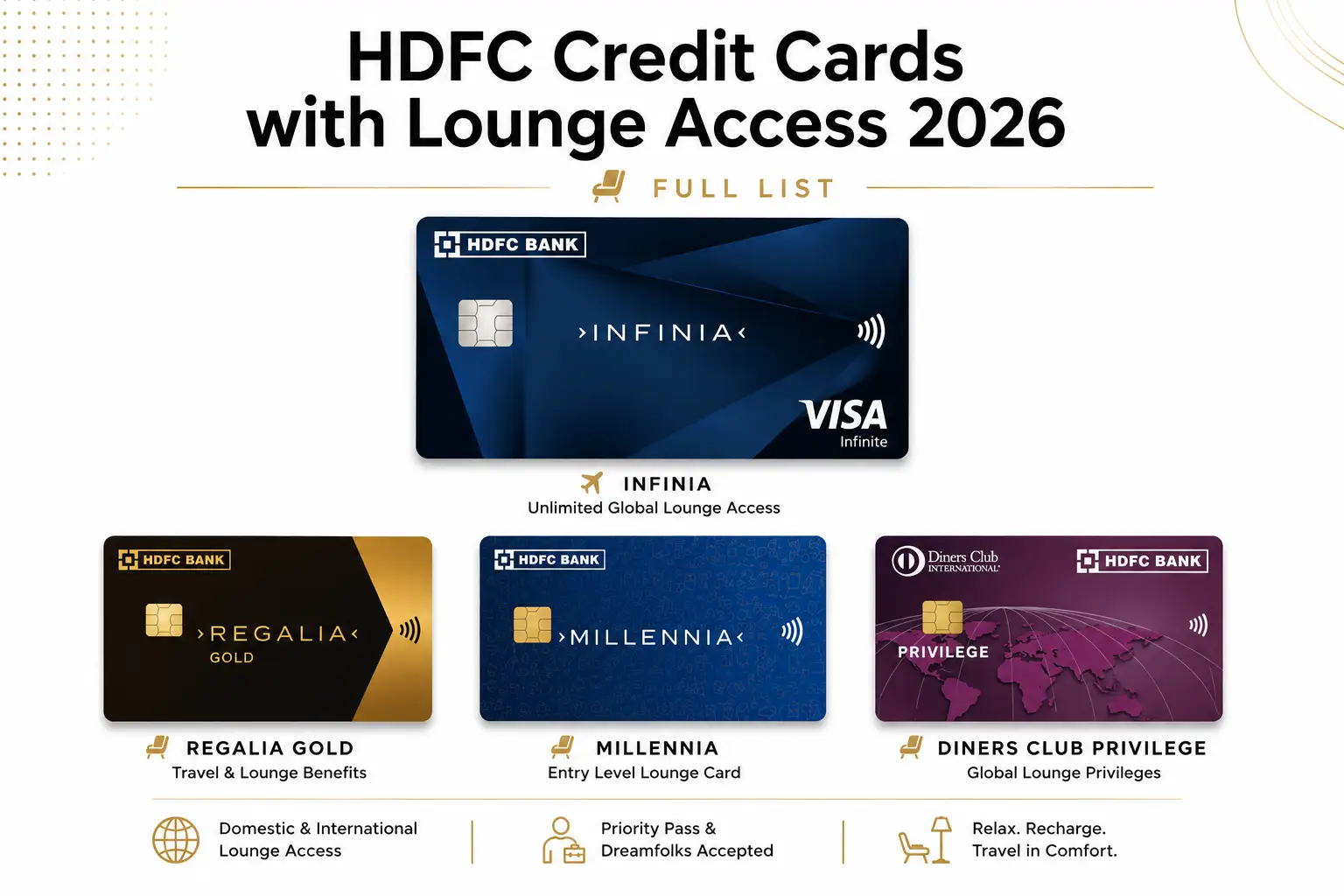
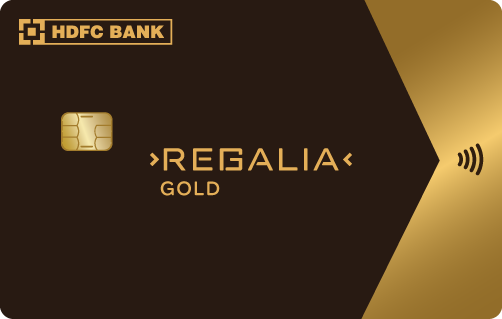
Which HDFC credit cards actually get lounge access in 2026 - exact terms for Infinia, Regalia Gold and Millennia, verified card by card, plus how Priority Pass eligibility works.
Read Guide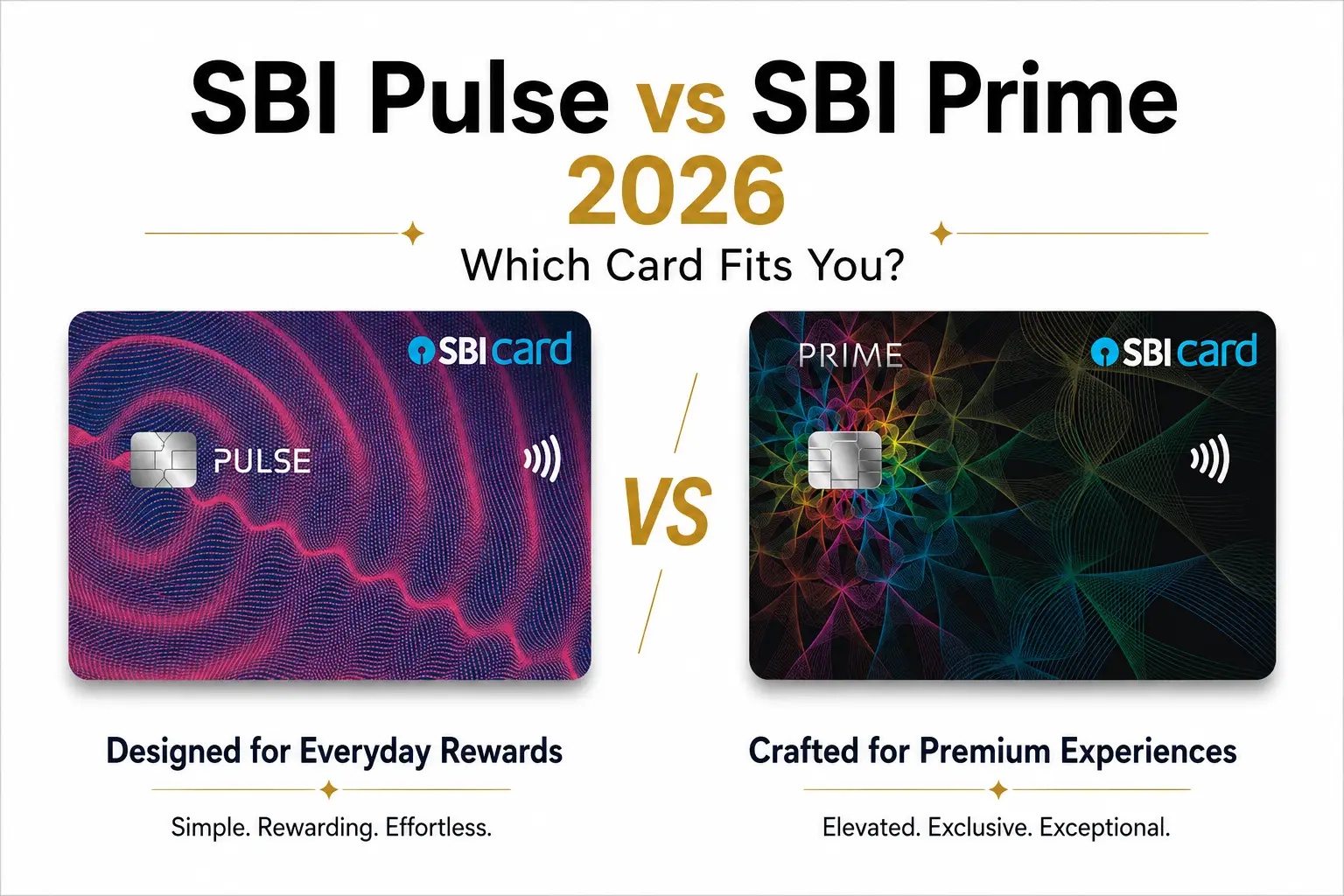
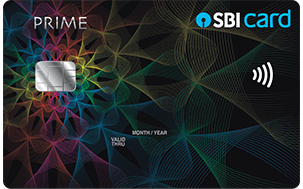
SBI Card Pulse's wellness focus vs SBI Prime's lifestyle rewards and lounge access - a real comparison to help you pick the right SBI card.
Read GuideEverything you need to know before you apply for the right credit card.
Here are the most common questions people ask about cashback credit cards.
It depends on which pump you use - ICICI HPCL Coral and Super Saver work best at HPCL, while BPCL SBI Card Octane gives the highest value-back at BPCL stations.
IndianOil HDFC Bank Credit Card and Axis Bank IndianOil Credit Card both earn accelerated points on IOCL fuel - HDFC's card adds broader grocery and utility rewards, while Axis pairs a flat monthly surcharge waiver with EDGE points.
Its 7.25% combined value-back on BPCL fuel spends - among the highest fuel-specific rates available on any Indian credit card.
Yes - two, in fact. ICICI HPCL Coral is the lower-fee entry option, while ICICI HPCL Super Saver adds grocery and utility rewards plus quarterly lounge access for a higher annual fee.
Yes, the IndianOil HDFC Bank Credit Card, which earns 5X Fuel Points on IOCL, grocery and utility spends and is also available in a RuPay UPI variant.
A waived fuel surcharge, accelerated reward points or cashback at partner pumps, and often bonus categories like groceries or utility bills layered on top.
The accelerated rate usually applies only at the co-branded oil company's own pumps - spends at a different brand's station typically earn the card's base rate instead.
I fill up at BPCL every week, so the 7.25% back on Octane genuinely adds up - it's paid for its own annual fee within a couple of months.
At ₹199 a year, I wasn't expecting much, but the fuel surcharge waiver alone makes it worth keeping in my wallet.
Between the fuel points and the grocery rewards, this card quietly covers two of my biggest monthly expenses.
The quarterly lounge visit was a pleasant surprise on a card I only got for the fuel cashback.

