















Straightforward Money Back
Get a fixed percentage of eligible spends credited back automatically, without decoding a points-to-rupee conversion table.

Get a fixed percentage of eligible spends credited back automatically, without decoding a points-to-rupee conversion table.
Most cashback cards auto-credit your cashback each month, so there's no catalogue to browse or points to redeem manually.
Several cards give a flat, uncapped cash back rate on every online spend, so you don't need to track rotating categories.
Several cashback cards are lifetime free or have low, easily-waived fees, keeping the math simple: what you earn is close to pure gain.
Compare the cards that offer the most useful cashback on the spending you already do.
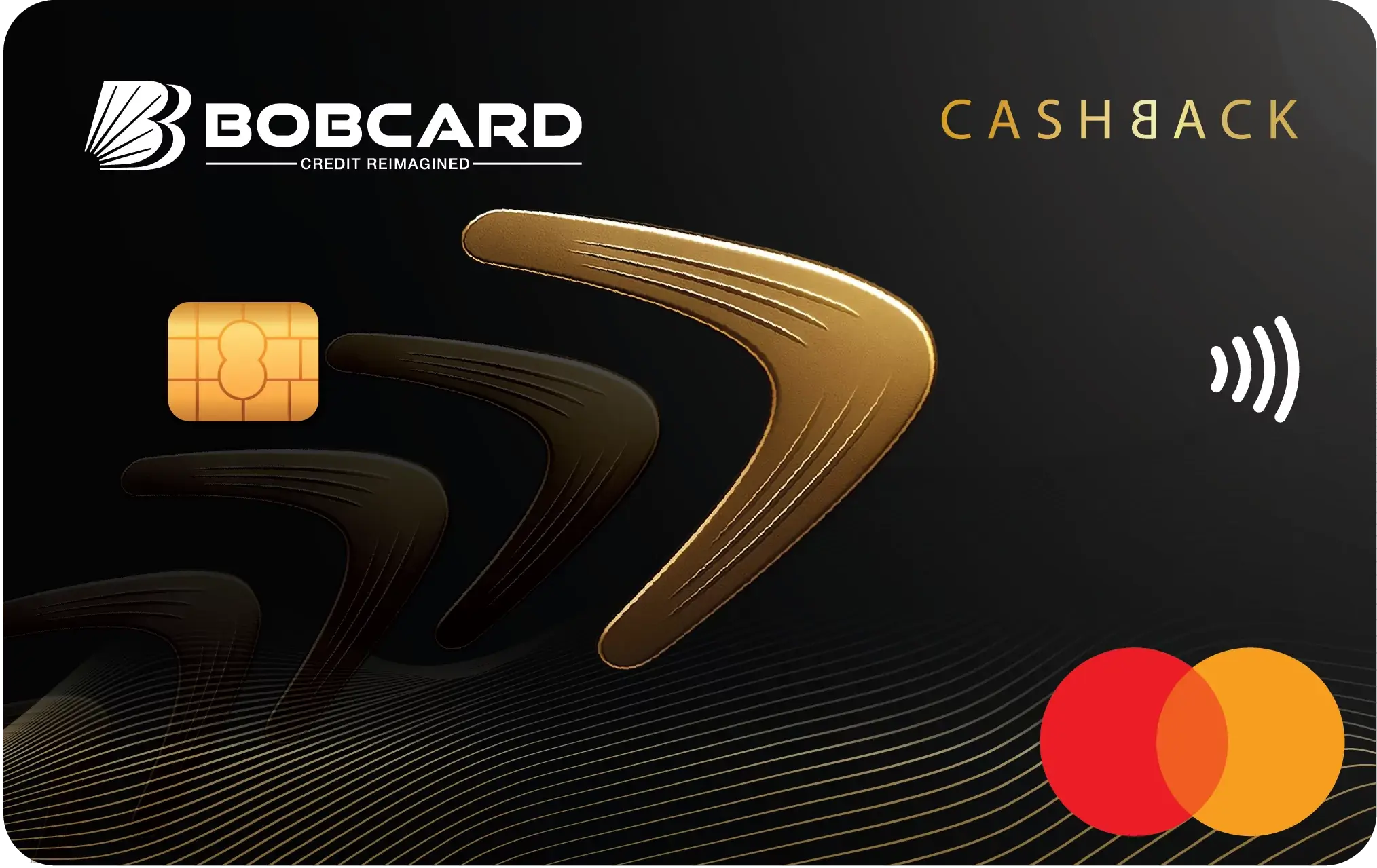
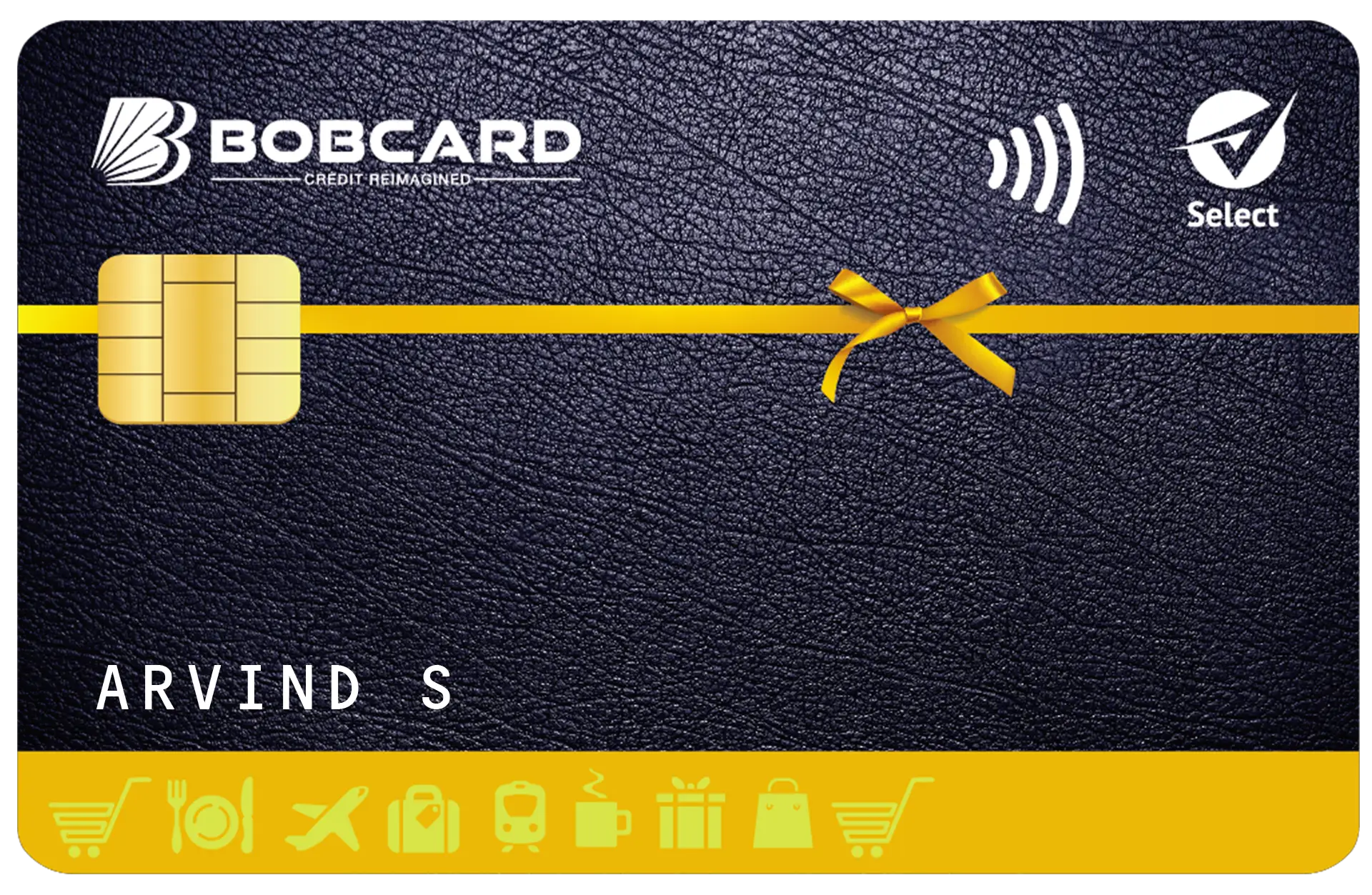
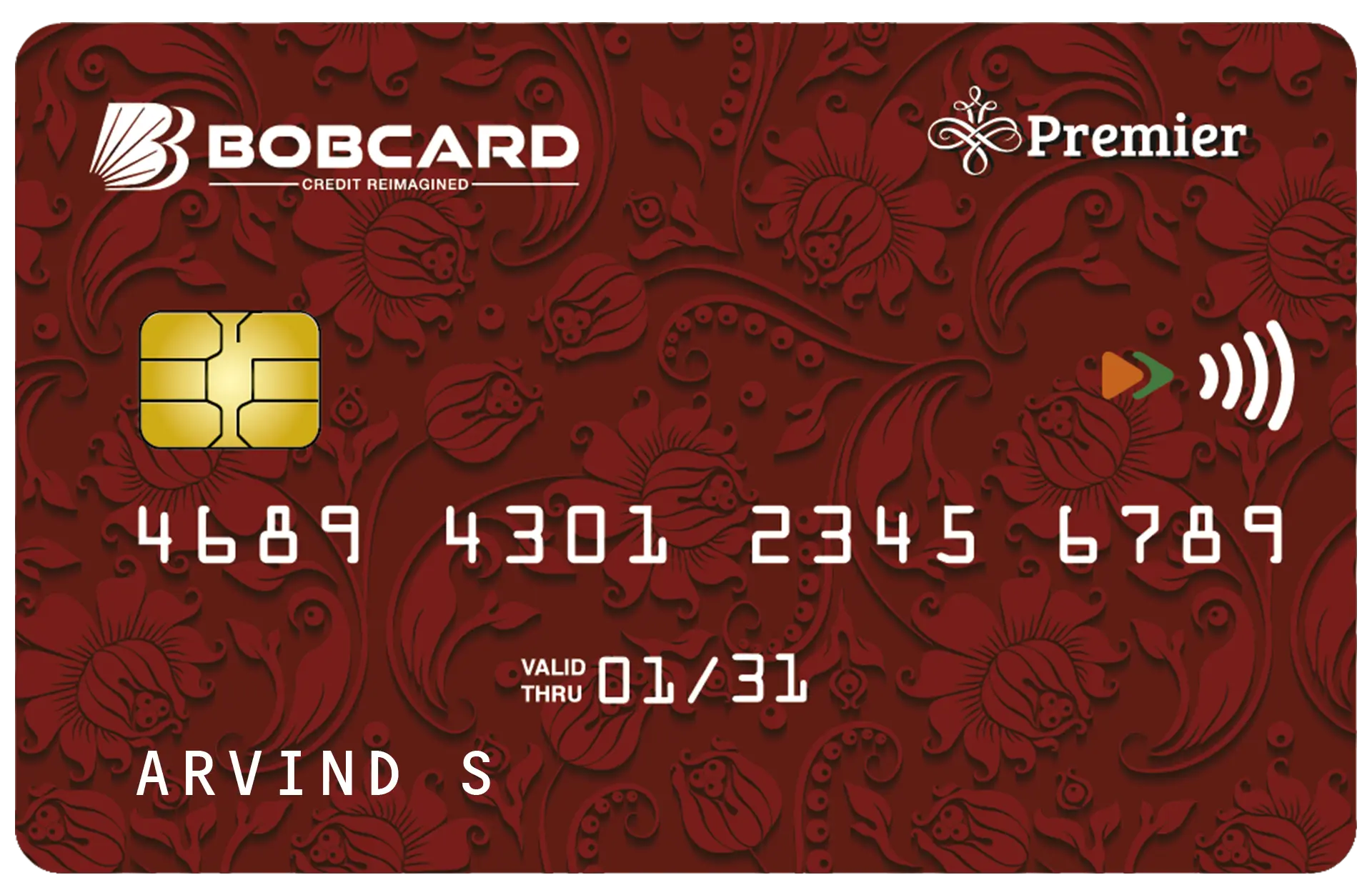
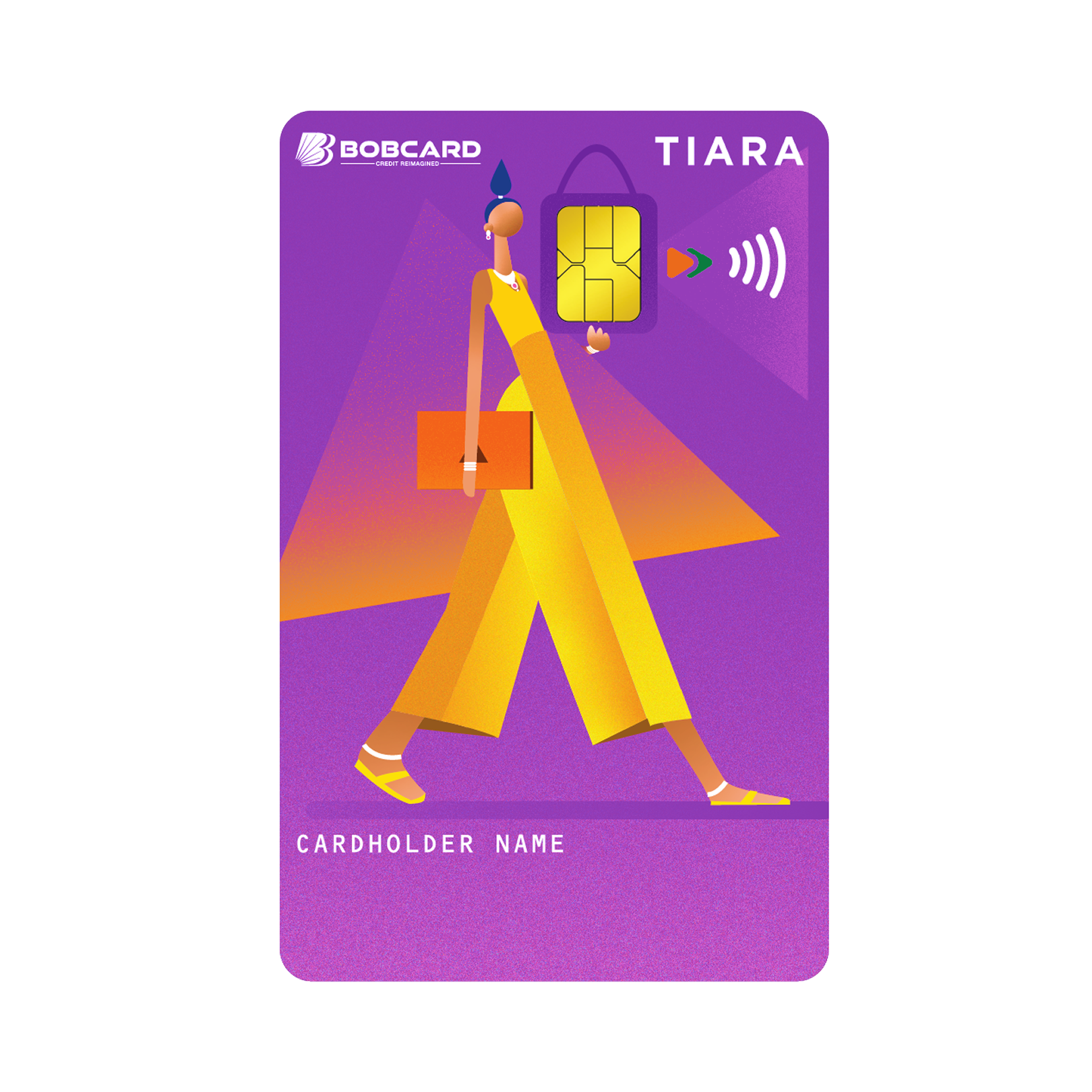
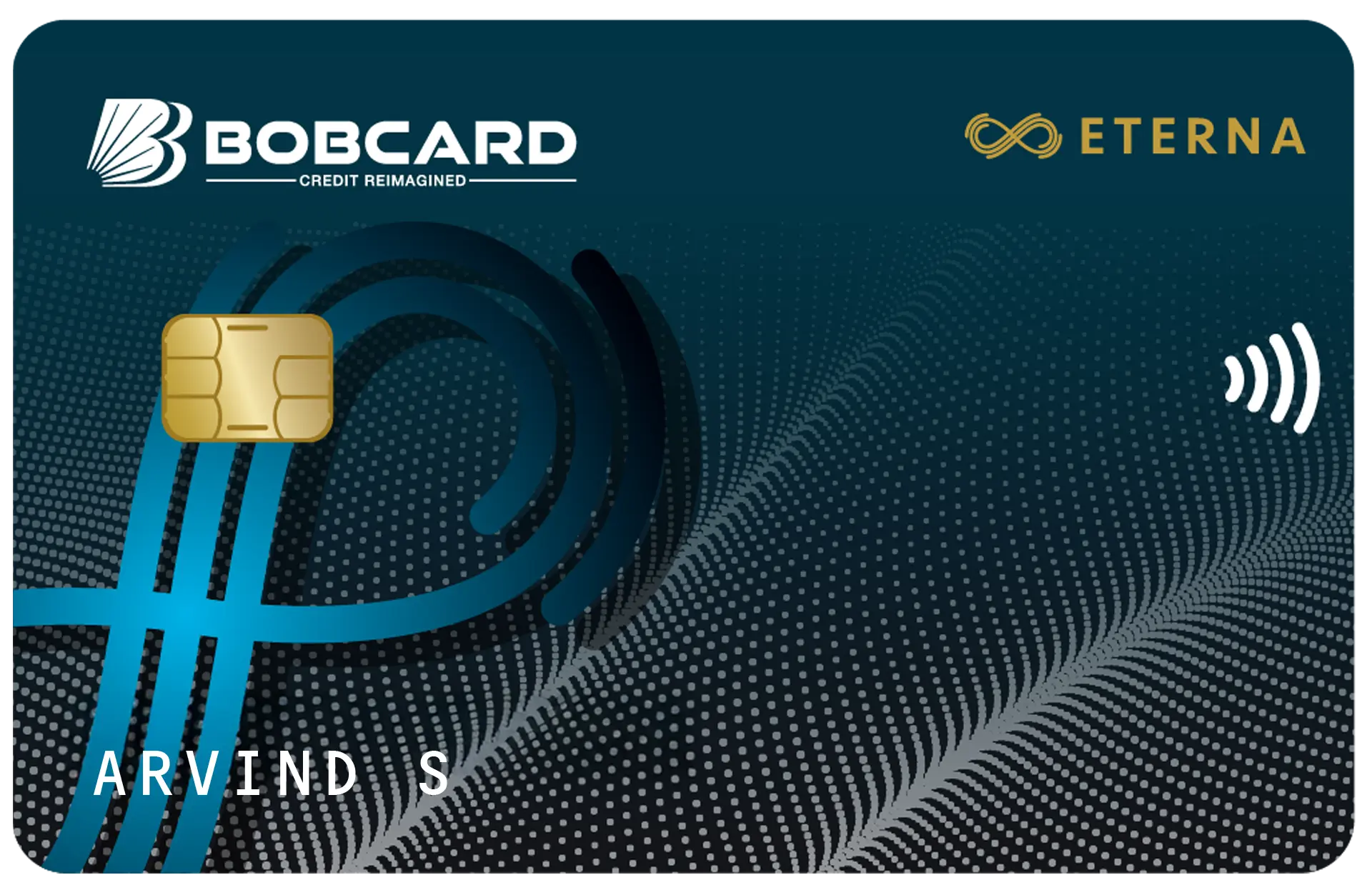
BOBCARD requires salaried applicants to be 21-60 years old with a minimum net annual income of ₹3 lakh, or 24-65 years old and ₹3.6 lakh net income if self-employed. A CIBIL score around 700+ is typically expected, and fuel, rent, government, insurance and a handful of other spend categories are explicitly excluded from earning cashback.
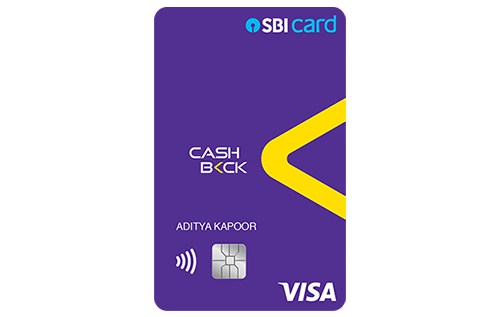
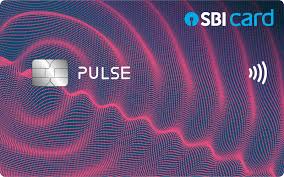
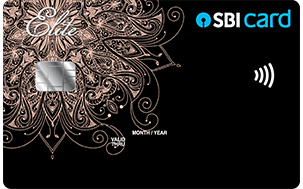
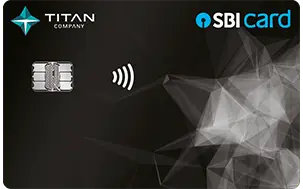
SBI typically looks for a minimum monthly income of around ₹20,000 for salaried applicants on its mid-tier cashback cards, alongside a credit score of 700 or higher. Cashback is capped at ₹5,000 per statement cycle, so very high online spenders won't see the 5% rate apply indefinitely within a single billing period.
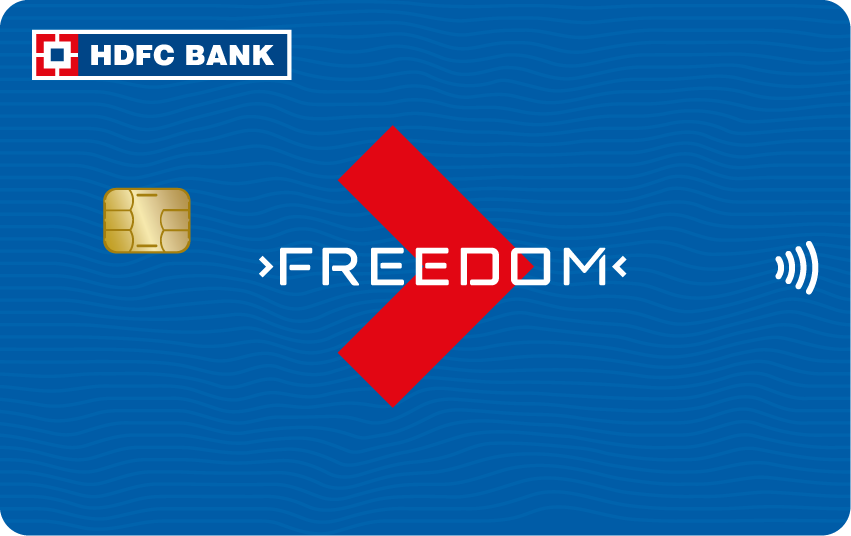
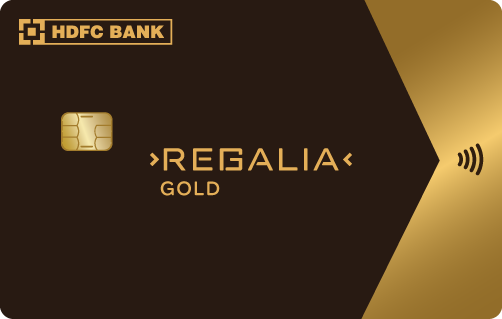
HDFC requires a net monthly income above ₹35,000 for salaried applicants (age 21-40) or an ITR above ₹6 lakh for the self-employed, along with a CIBIL score of 750+. CashPoints redeem at ₹1 for statement credit but drop to roughly ₹0.30 via SmartBuy flight and hotel bookings, and unused points expire after 2 years.
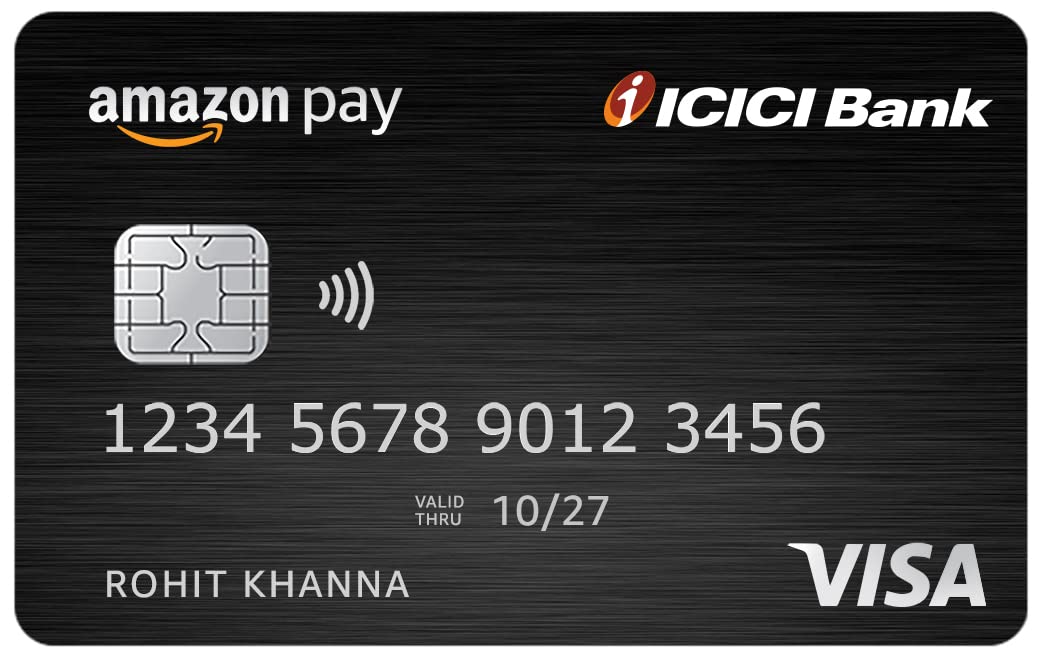
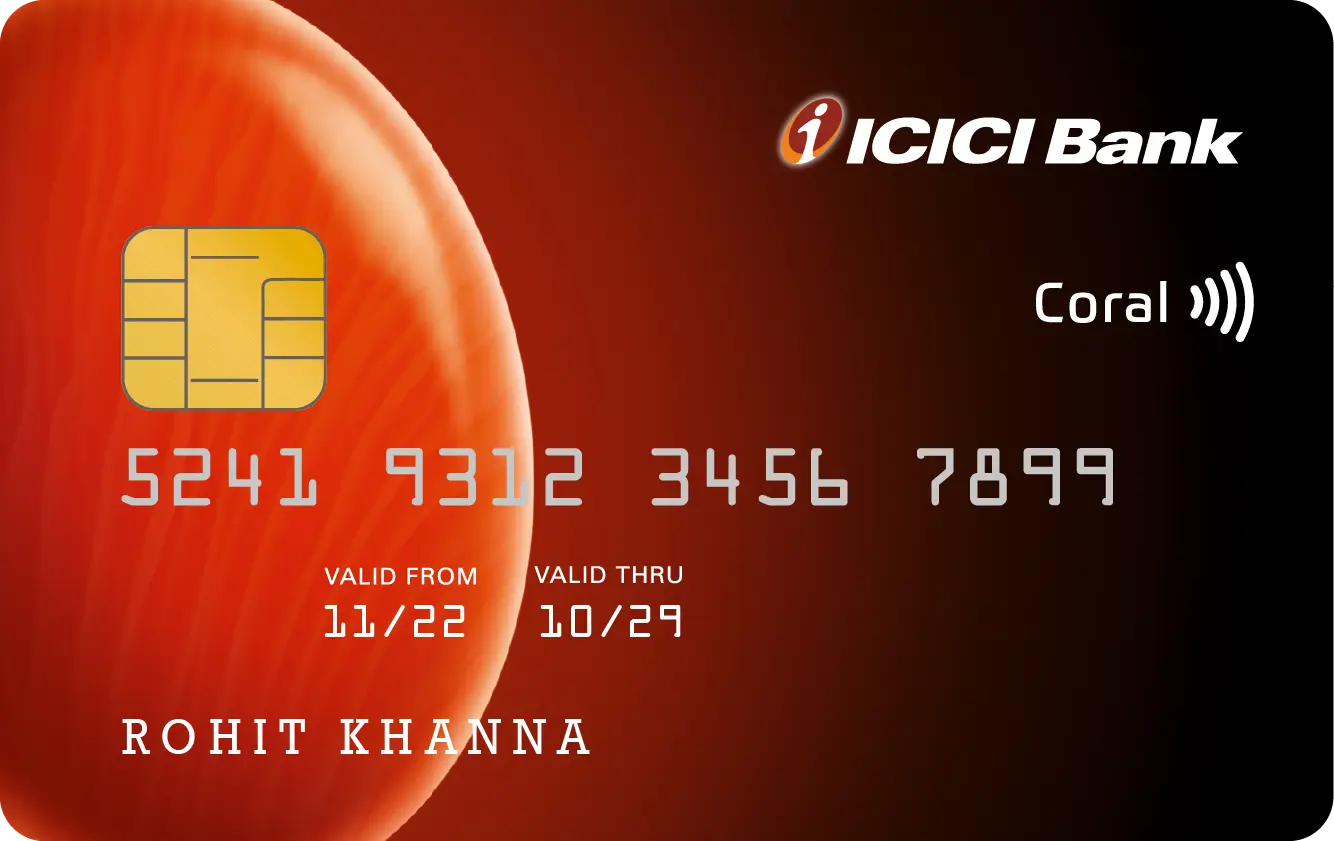
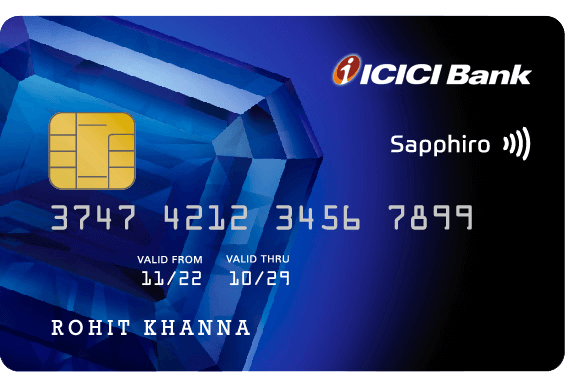
ICICI typically requires a minimum monthly income of ₹20,000 for salaried applicants applying for this card, with no separate joining fee to offset since it's lifetime free. Non-Prime members earn a lower 3% (instead of 5%) on Amazon, and cashback is credited directly to your Amazon Pay balance rather than the card statement.
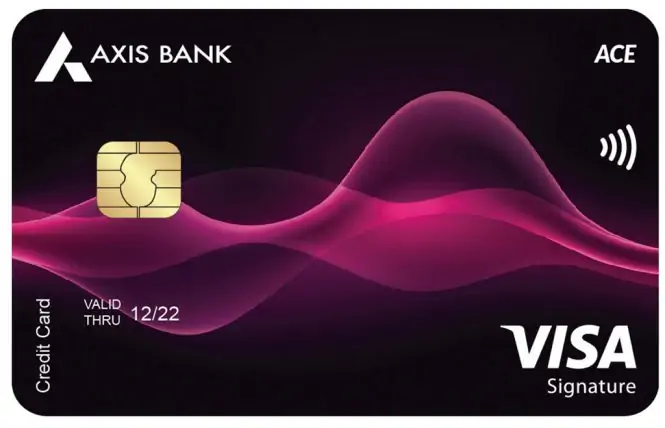
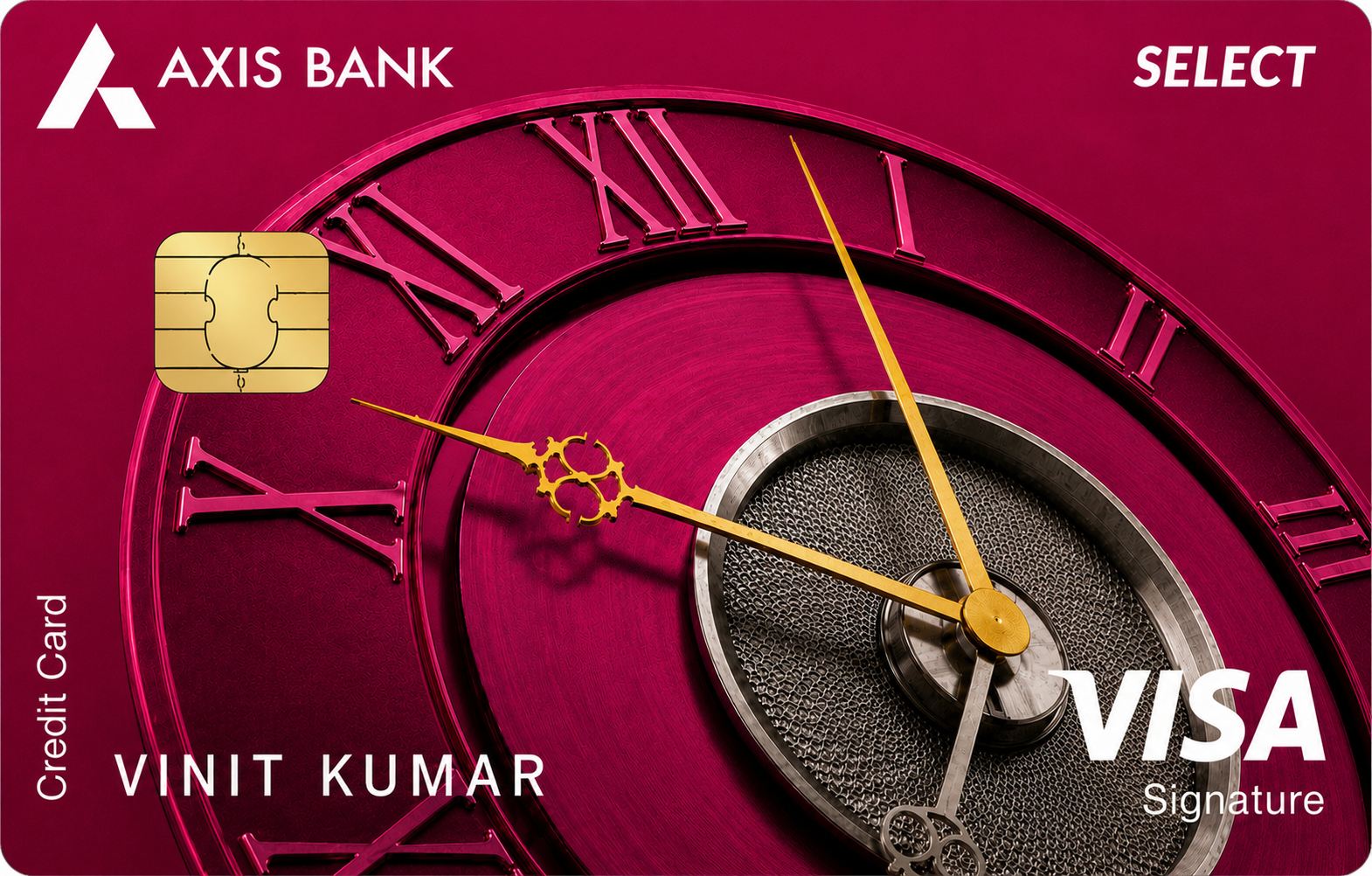
Axis generally requires a minimum monthly income of ₹15,000 for salaried applicants on this entry-tier card, with age 18-70. The 5% Google Pay utility cashback is capped at ₹500 a month and only works through the Google Pay app specifically - it doesn't apply if you pay utility bills directly through Axis's own app or net banking.
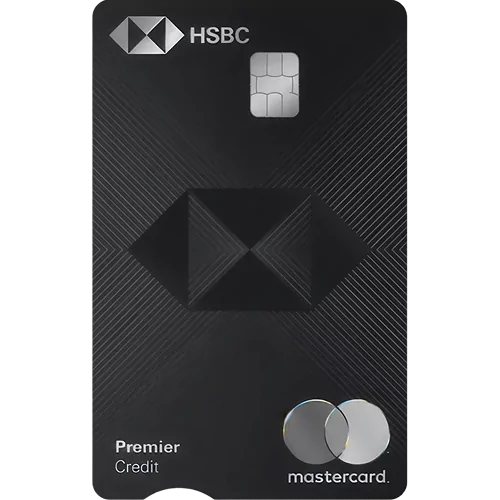
HSBC requires a minimum annual income of ₹6 lakh for salaried applicants (18-65 years) and ₹12 lakh for the self-employed, and restricts applications to around 20 named Indian cities including Delhi NCR, Mumbai and Bengaluru. The 10% dining/grocery rate caps out once you've earned ₹1,000 in cashback for the month, after which spends in those categories drop to the base 1.5% rate.
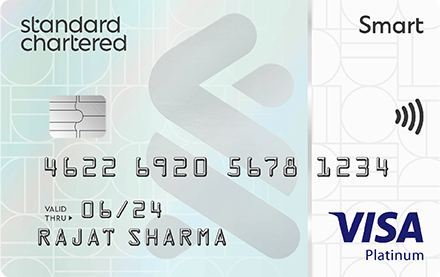
Standard Chartered typically requires a minimum monthly income of ₹18,000-25,000 for salaried applicants on this entry card, with a preferred credit score above 700. Cashback is capped at ₹2,000 per statement cycle, so heavy online spenders may not see the 2% rate apply on their entire monthly spend.
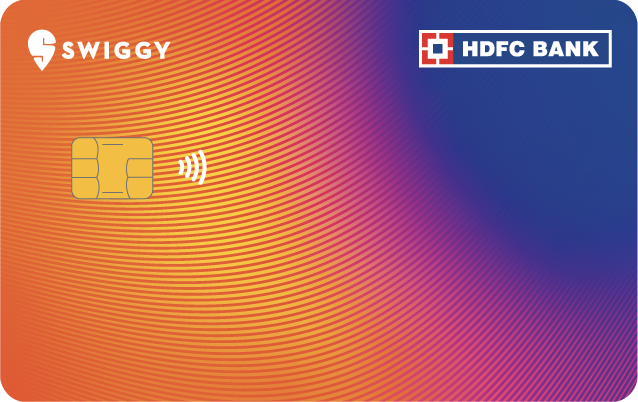
HDFC requires a minimum monthly income of around ₹25,000 for salaried applicants on this entry-tier card, lower than the ₹35,000 threshold for Millennia. The 10% Swiggy cashback is capped at ₹1,500 per statement cycle, and the complimentary Swiggy One membership runs for 3 months from activation, not renewing automatically after that.
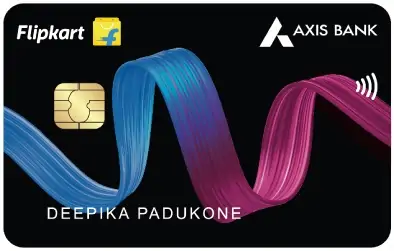
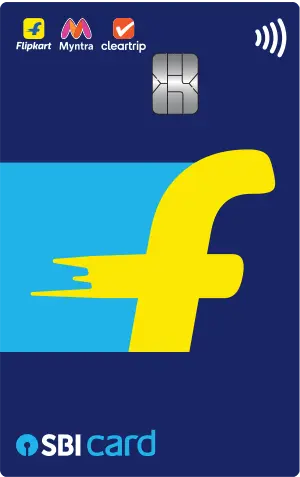
Axis generally requires a minimum monthly income of ₹15,000-20,000 for salaried applicants on this lifetime-free co-branded card. Unlike Axis ACE, cashback here posts as Flipkart-redeemable value on some transaction types rather than a pure statement credit - check the redemption mechanism for each merchant category before assuming it behaves identically.
See how three popular cashback cards stack up on fees, rates and how the cashback is paid out.
| Feature | BOBCARD Cashback | SBI Cashback | HDFC Millennia |
|---|---|---|---|
| Best for | BOBCARD Cashback: simplest flat rate | SBI Cashback: online-heavy spenders | Millennia: loyal app shoppers |
| Annual / renewal fee | ₹499/yr | ₹999, waived ₹2L | ₹1,000, waived ₹1L |
| How cashback is paid | BOBCARD Cashback: auto-credited monthly | SBI Cashback: auto-credited monthly | Millennia: auto-credited plus lounge voucher |
| Cashback rate | Flat 5% online | SBI Cashback: 5% online, 1% offline | Millennia: 5% on partner brands only |
| Key limitation | BOBCARD Cashback: online spends only | SBI Cashback: modest 1% offline | Millennia: restricted to partner brands |
Read the full breakdown of each card - caps, exclusions and how the cashback actually lands in your account.
Joining fee: ₹1–₹499
Joining fee: ₹500–₹999
Joining fee: ₹500–₹999
Joining fee: Lifetime free
Joining fee: ₹1–₹499
Joining fee: ₹500–₹999
Joining fee: ₹1–₹499
Joining fee: ₹1–₹499
Joining fee: ₹1–₹499
We compare rewards, cashback, bonus rates and redemption value to understand how much you can earn from everyday spending.
We assess joining fees, annual charges, renewal costs and fee waivers to determine whether the benefits justify the overall cost.
We evaluate how well each card rewards everyday spending across shopping, dining, travel, fuel and other common categories.
We evaluate cards using features, fees, rewards, terms and exclusions to help you make a clear and informed comparison.
A high cashback rate only helps if it applies to categories you actually spend in every month.
Many cashback cards cap the bonus rate at a fixed monthly amount - confirm the cap before comparing headline rates.
Some cards auto-credit cashback monthly; others need manual redemption - auto-credit is simpler to track.
A card with a spend-based fee waiver can end up cheaper than a lifetime-free card with a lower cashback rate.
Tip: The best cashback card is the one whose bonus categories match your real monthly spending, not the one with the flashiest headline percentage.
Cashback credit cards return a percentage of your eligible spending directly as statement credit, making them one of the simplest reward structures to understand and use. Popular cashback credit cards in India include the SBI Cashback Credit Card, HDFC Millennia, Amazon Pay ICICI, and BOBCARD's own Cashback Credit Card - each structured differently, from flat-rate cards that apply across all online spending to partner-brand cards focused on specific merchants like Amazon or Swiggy.
Most people use a cashback card by routing their regular online shopping, dining or utility payments through it, then letting the cashback auto-credit each month rather than manually redeeming points.
The real value of a cashback card comes down to matching its bonus categories and monthly caps to your actual spending pattern, rather than chasing the highest advertised percentage alone.
Cashback is just one way to save - these categories cover the rest of your wallet.
Joining fee: ₹2,500 / year
Joining fee: Lifetime Free
Joining fee: ₹199 / year, waived at ₹50K spend
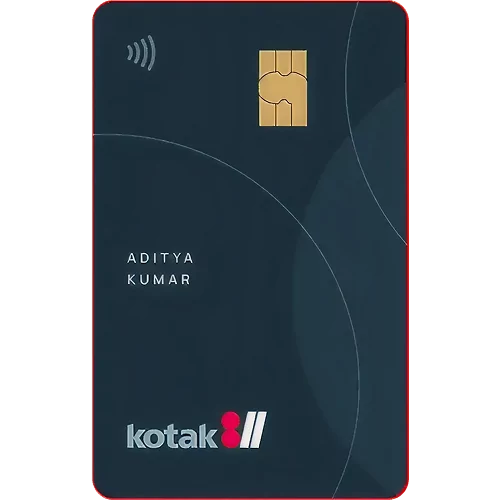
Joining fee: Lifetime Free

Joining fee: ₹3,000 / year, waived at ₹3L spend
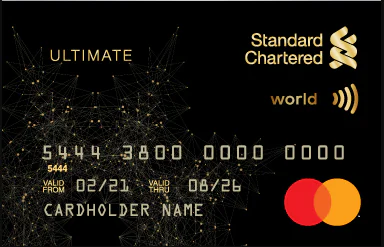
Joining fee: ₹5,000 / year
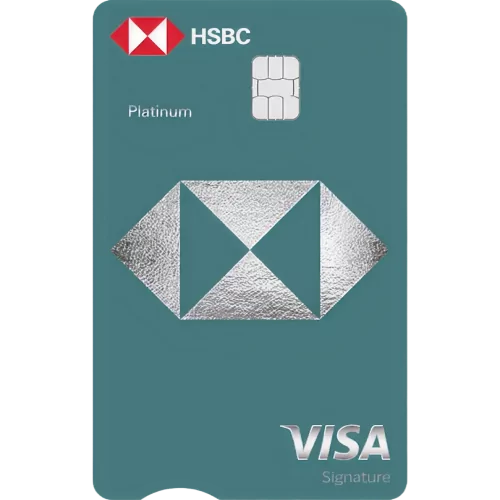
Joining fee: Lifetime Free
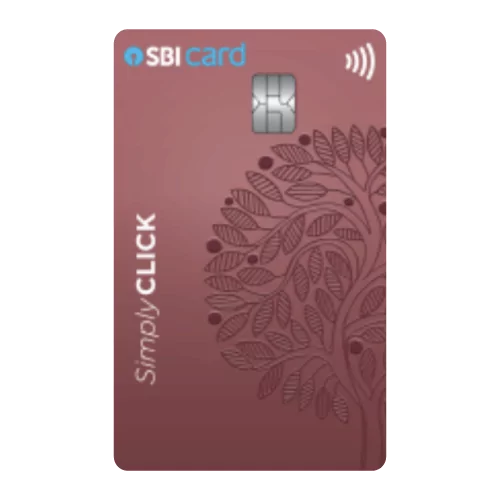
Joining fee: ₹499 / year, waived at ₹1L spend
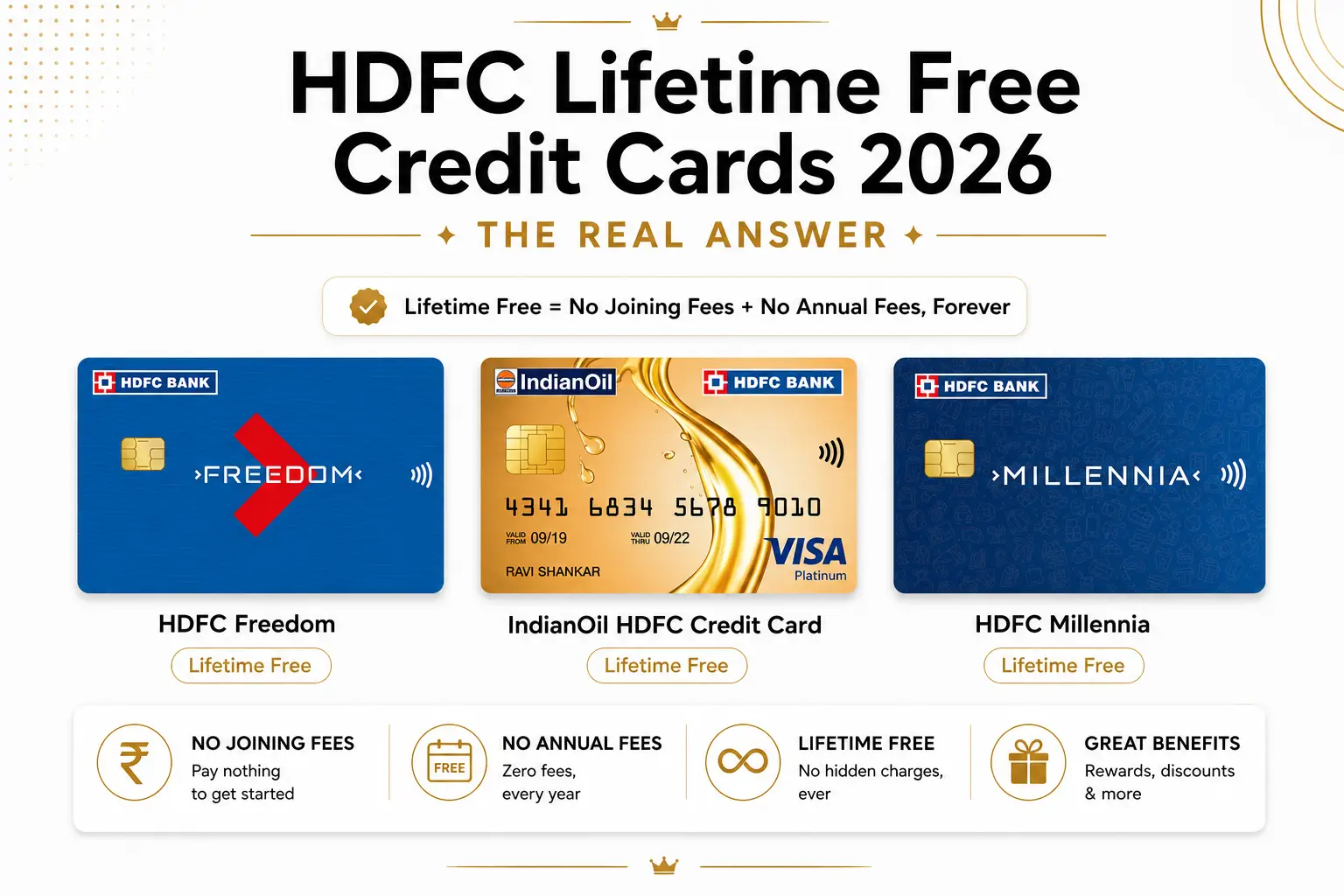
HDFC doesn't have a true lifetime-free mainstream card in 2026 - here's exactly why, the fee-waiver thresholds on Millennia, Freedom and others, and what happened to Solitaire.
Read Guide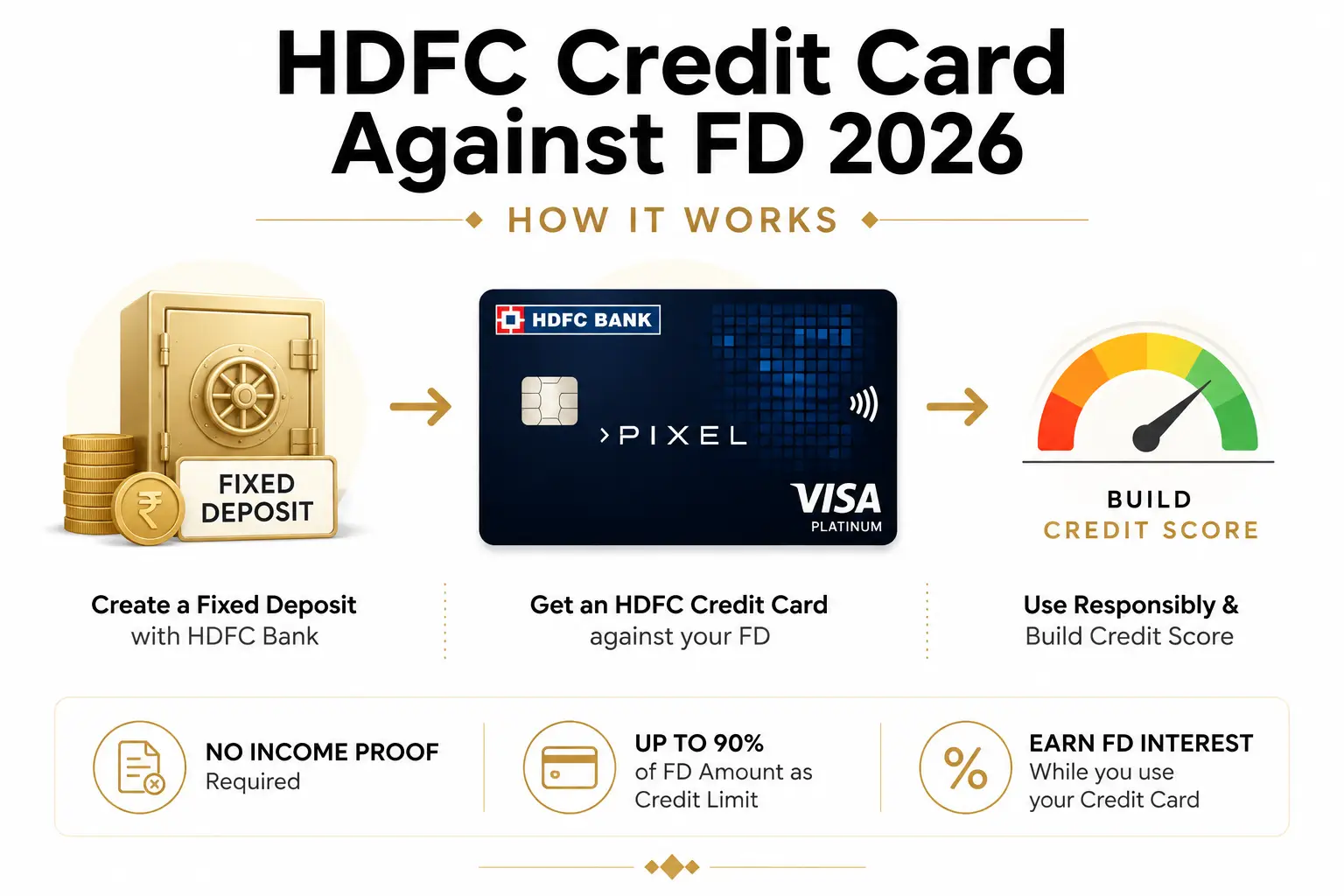
How HDFC's FD-secured credit card route actually works - minimum deposit, credit limit rules, eligibility and which HDFC cards you can get this way.
Read Guide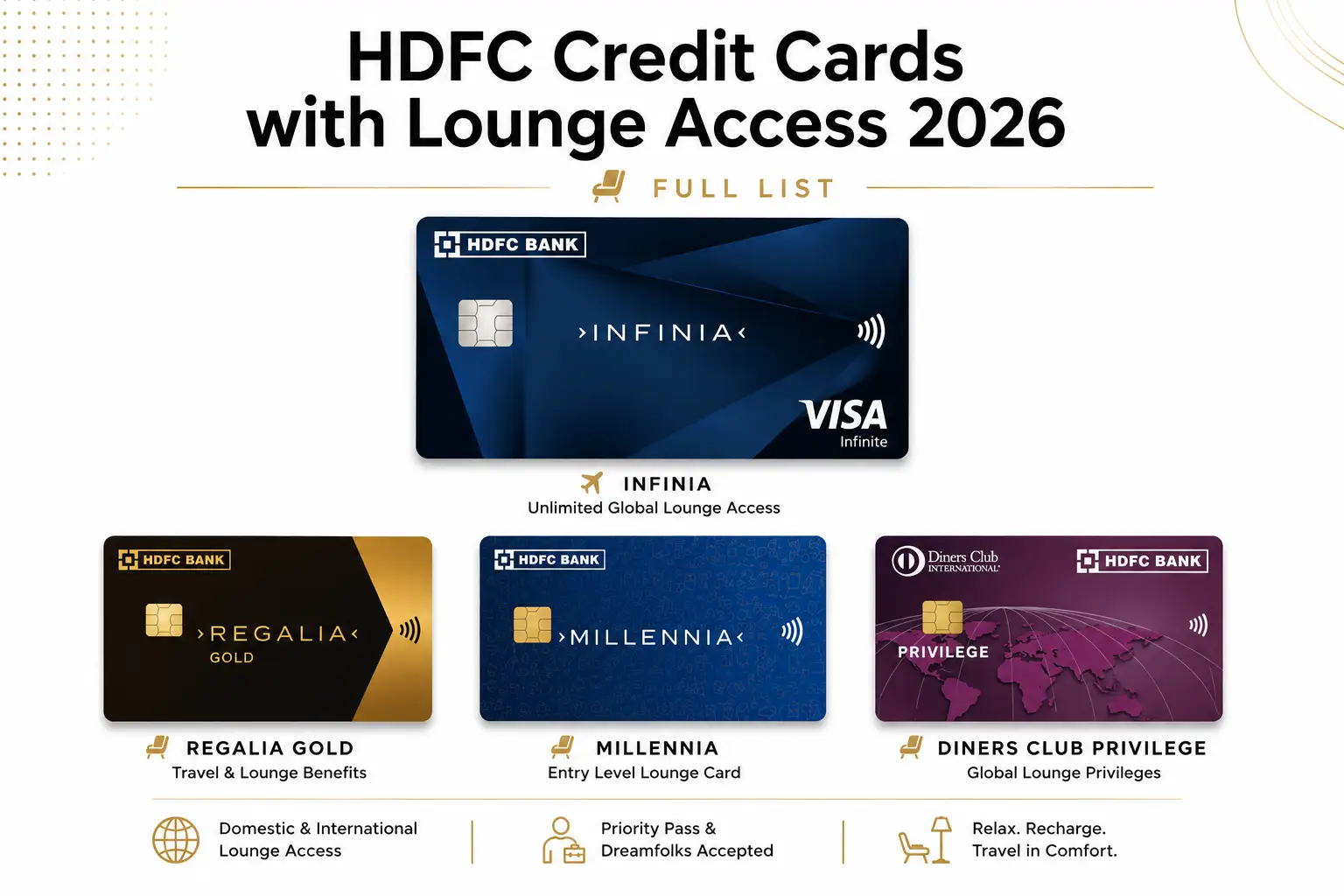
Which HDFC credit cards actually get lounge access in 2026 - exact terms for Infinia, Regalia Gold and Millennia, verified card by card, plus how Priority Pass eligibility works.
Read Guide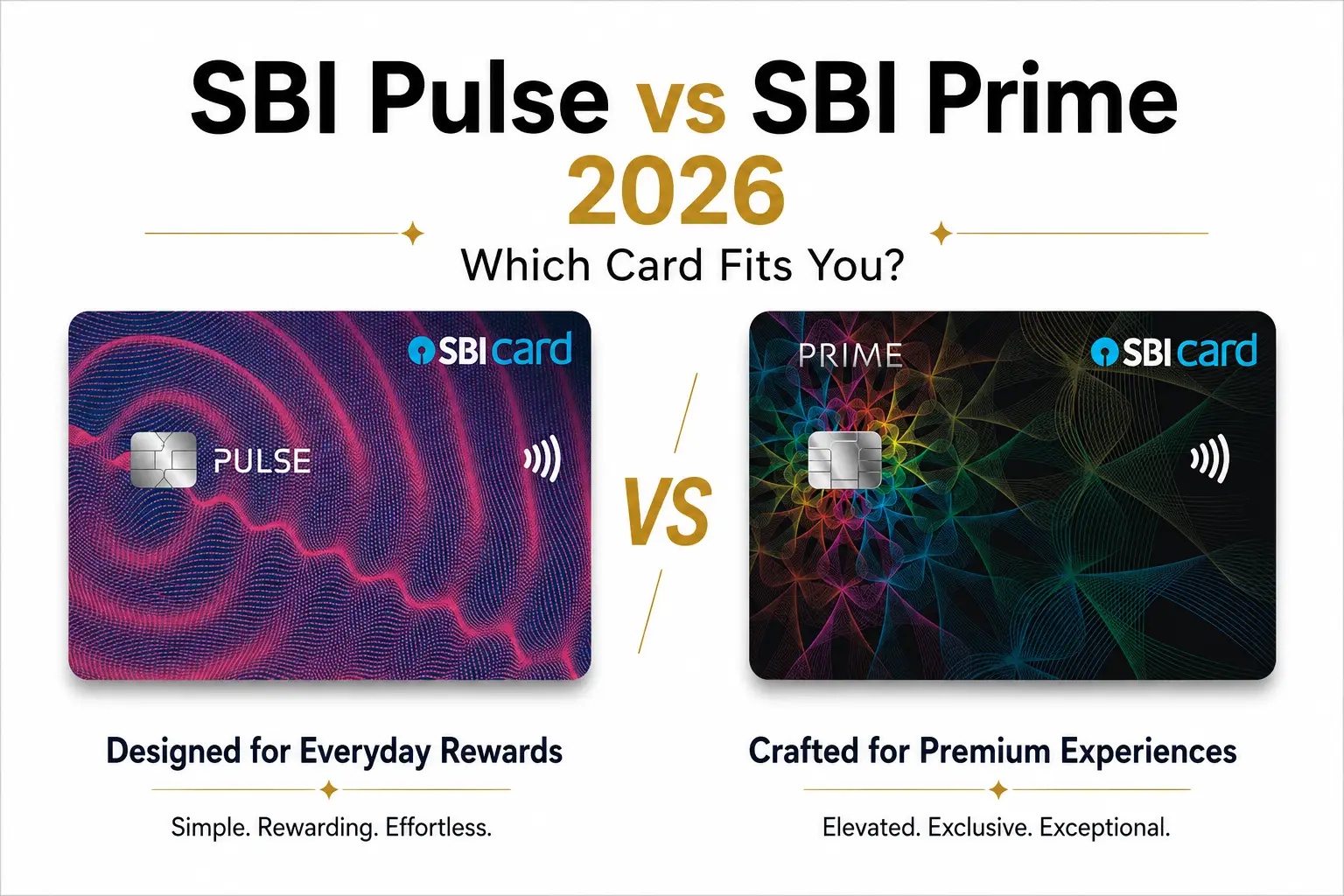
SBI Card Pulse's wellness focus vs SBI Prime's lifestyle rewards and lounge access - a real comparison to help you pick the right SBI card.
Read GuideEverything you need to know before you apply for the right credit card.
Here are the most common questions people ask about cashback credit cards.
Amazon Pay ICICI is the clear pick - 5% unlimited cashback on Amazon for Prime members, with no annual fee at all.
Cashback cards don't usually focus on fuel - for that, a dedicated fuel card like ICICI HPCL Coral (see Section 10) gives a better fuel value-back rate.
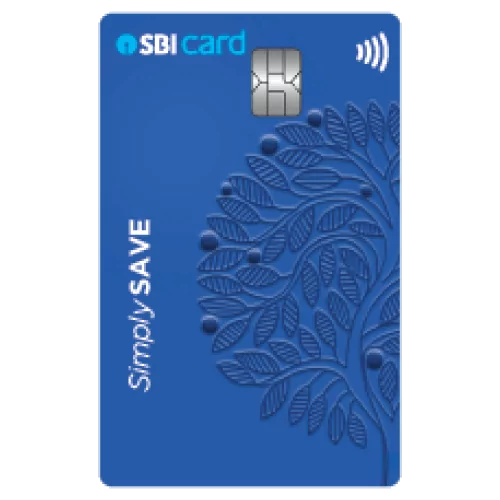
None of our top cashback picks specialise in groceries specifically - for grocery-heavy spenders, a dining-and-grocery card with a bonus category, such as SBI SimplySAVE, is usually a better fit.
HSBC Cashback (Live+) leads here, with 10% cashback on dining, groceries and food delivery, capped at ₹1,000 a month.
Yes. Amazon Pay ICICI and Axis Bank Flipkart are both lifetime free and still carry a solid cashback rate on their focus categories.
A card like BOBCARD Cashback or SBI Cashback that pays the same percentage back on every eligible spend, instead of rotating bonus categories you have to track.
Usually, yes, for high spenders - SBI Cashback's uncapped 5% online rate keeps paying out however much you spend, unlike cards with a fixed monthly cashback ceiling.
I don't want to think about which app has today's best offer - the BOBCARD Cashback card just gives me 5% back automatically, every month, no redemption forms.
The BOBCARD Snapdeal card's cashback lands straight in my statement - no waiting, no tracking a separate rewards portal.
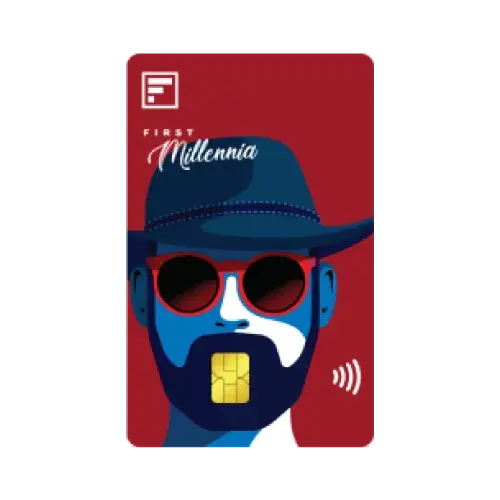
Between Amazon, Swiggy and Zomato, Millennia's 5% cashback covers almost everything I actually spend on.
No category tracking, no app-hopping - SBI Cashback just gives 5% back on anything online, which is exactly what I wanted.

