






























Key Takeaways
- Pulse and Prime both earn 10 RP/₹100 (2.5%) on overlapping categories - dining and movies - but Pulse adds pharmacy and sports while Prime adds grocery and departmental stores.
- Prime costs double Pulse's fee (₹2,999 vs ₹1,499) but adds international lounge access (4/year) and a much larger milestone voucher structure (₹11,000/year vs Pulse's single ₹1,500 milestone).
- Pulse's standout is its welcome gift - a Noise smartwatch worth ₹7,999, over 5x the joining fee - plus annual FITPASS PRO and Netmeds First memberships.
- Pulse explicitly caps its 10X earn at 7,500 RP/month (₹75,000 spend); Prime's core 10X category doesn't carry the same stated cap - a real structural difference worth knowing before assuming either card scales the same way.
- Prime's Club Vistara and Trident Privilege memberships were discontinued in 2025-2026 - a real reduction from the card's original positioning, worth knowing if that influenced your interest in Prime specifically.
Two Different Ideas of "Lifestyle"
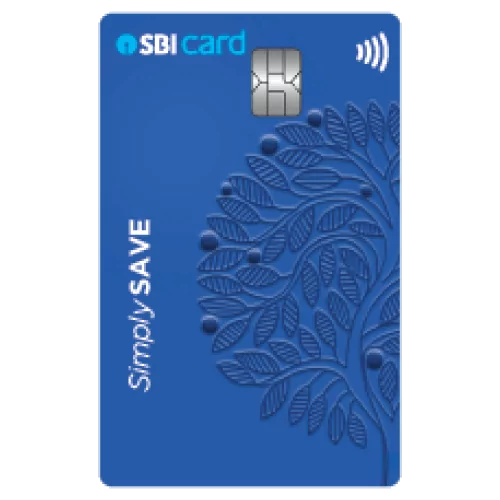
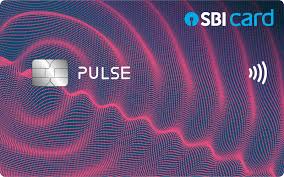
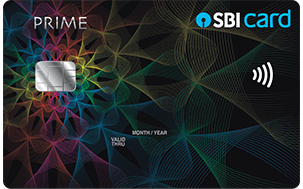
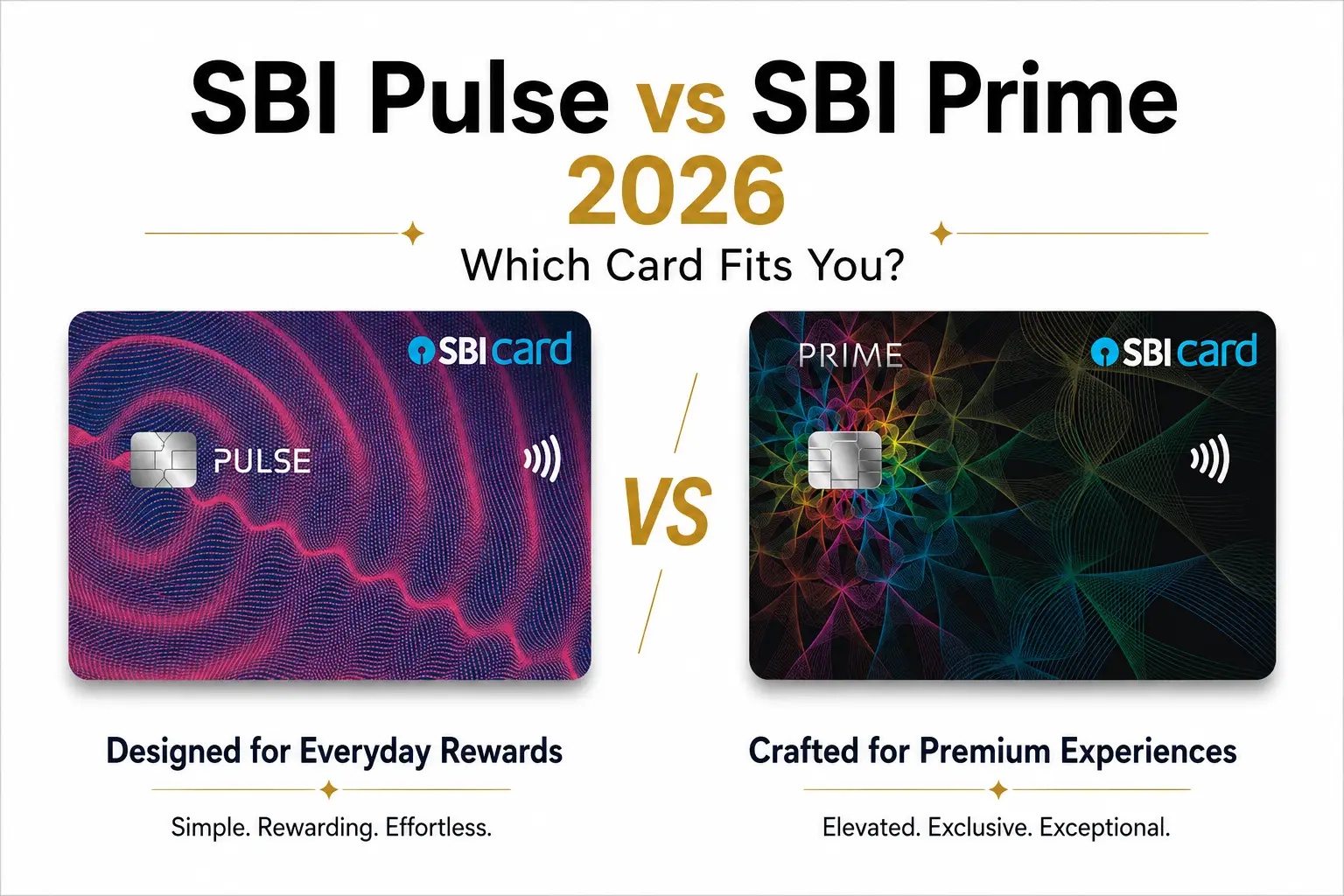
Pulse and Prime sit at similar reward rates but are built around genuinely different spending profiles. Pulse is SBI's wellness-first card - its accelerated categories are pharmacy, dining, movies, and sports, paired with a Noise smartwatch welcome gift and annual FITPASS PRO and Netmeds First memberships. Prime is a broader lifestyle card - dining, grocery, departmental stores, and movies - paired with lounge access and a milestone-voucher structure rather than wellness perks.
The overlap is dining and movies, where both cards earn identically. Everything else diverges based on which categories you actually spend in.
Side-by-Side
SBI Card Pulse | SBI Prime | |
|---|---|---|
| Annual fee | ₹1,499 + GST | ₹2,999 + GST |
| Fee waiver threshold | ₹2 lakh annual spend | ₹3 lakh annual spend |
| Accelerated categories | Pharmacy, dining, movies, sports (10 RP/₹100) | Dining, grocery, departmental stores, movies (10 RP/₹100) |
| Accelerated cap | 7,500 RP/month (fills at ₹75,000 spend) | No stated cap on the core 10X category |
| Domestic lounge | 8 visits/year, unconditional | 8 visits/year, unconditional |
| International lounge | None (Priority Pass complimentary for 2 years, entitlement unclear) | 4 visits/year via Priority Pass, unconditional |
| Welcome benefit | Noise smartwatch worth ₹7,999 | ₹3,000 e-gift voucher |
| Wellness perks | FITPASS PRO + Netmeds First (annual, auto-renewing) | None |
| Milestone vouchers | ₹1,500 Netmeds voucher at ₹4L spend | ₹1,000 Pizza Hut/quarter (₹4,000/yr) + ₹7,000 Yatra/Pantaloons at ₹5L = up to ₹11,000/yr |
| Redemption fee | ₹99 + GST per request | ₹99 + GST per request |
Pulse's Welcome Gift Is Genuinely Unusual
Pulse's Noise ColorFit smartwatch, worth ₹7,999 against a ₹1,499 joining fee, is a real standout - more than 5x the fee, delivered within 45 days as a redeemable e-voucher. Combined with annual FITPASS PRO (4,000+ gyms, 12 sessions/month) and Netmeds First memberships, Pulse's first-year value is concentrated almost entirely in these welcome and wellness benefits rather than ongoing reward earning.
Prime's welcome benefit is more modest in comparison - a ₹3,000 voucher - but Prime makes up for it with a much larger ongoing milestone structure: up to ₹11,000/year in vouchers for cardholders who hit the ₹5L annual spend threshold, versus Pulse's single ₹1,500 milestone at ₹4L.
The Cap Difference Matters More Than It Looks
Pulse explicitly caps its 10X earn at 7,500 Reward Points per billing cycle, filling at ₹75,000 in combined accelerated spend - beyond that, earning drops to the base 2 RP/₹100 rate. Prime's core 10X category (dining, grocery, departmental stores, movies) doesn't carry the same explicitly stated monthly cap in its published terms - only the separate 20X birthday and utility-autopay categories mention caps.
This means a high spender concentrated in Prime's four categories may out-earn what Pulse's capped structure allows, even though both cards share the same 2.5% headline rate. Worth confirming current cap terms directly with SBI Card before assuming either structure at a high spend level.
Lounge Access: Prime's Clear Advantage
Both cards offer 8 unconditional domestic lounge visits a year - no meaningful difference there. The real gap is international: Prime includes 4 Priority Pass visits a year with clear entitlement, while Pulse's Priority Pass membership (complimentary for the first 2 years) has less clearly defined international entitlement in its own terms, explicitly flagged as something to verify directly. If international travel matters at all, Prime is the more dependable choice on this specific benefit.
Who Should Pick Pulse
- You regularly spend on pharmacy, fitness, or sports and want those categories rewarded specifically.
- You'd genuinely use FITPASS PRO and Netmeds First - together these can offset ₹8,000-15,000/year in subscription costs.
- You want the lower ₹1,499 fee and easier ₹2L waiver threshold.
Who Should Pick Prime
- Your spending concentrates on dining, grocery, departmental stores, and movies rather than health/fitness categories.
- International lounge access matters to you.
- You can realistically hit ₹5L annual spend and want the larger milestone voucher structure.
This comparison is based on SBI Card's officially published terms for both cards as of 2026. Reward rates, caps and fee waiver thresholds are revised periodically - always verify current terms on sbicard.com before applying based on this comparison.