
































Table of Contents
- 1. Introduction: Why Network Choice Matters More Than You Think
- 2. The Fundamental Difference
- 3. The UPI Revolution: Why RuPay Is the Future of Daily Spending
- 4. Which BOBCARD Variants Are on RuPay?
- 5. When to Choose RuPay BOBCARD
- 6. When to Choose Visa or Mastercard BOBCARD
- 7. The Optimal Strategy: Hold Both
- 8. RuPay's International Expansion: Current Status in 2026
- 9. Summary: The Decision Framework
- 10. Frequently Asked Questions
Key Takeaways
- RuPay BOBCARD can be linked to UPI apps (Google Pay, PhonePe, Paytm) to earn reward points on every QR code payment - a feature unavailable on Visa/Mastercard credit cards.
- Visa and Mastercard BOBCARD variants offer superior international acceptance, making them the right choice for frequent travellers to Europe, USA, or Middle East.
- RuPay acceptance in India is near-universal at POS terminals and online merchants; the limitation is primarily international.
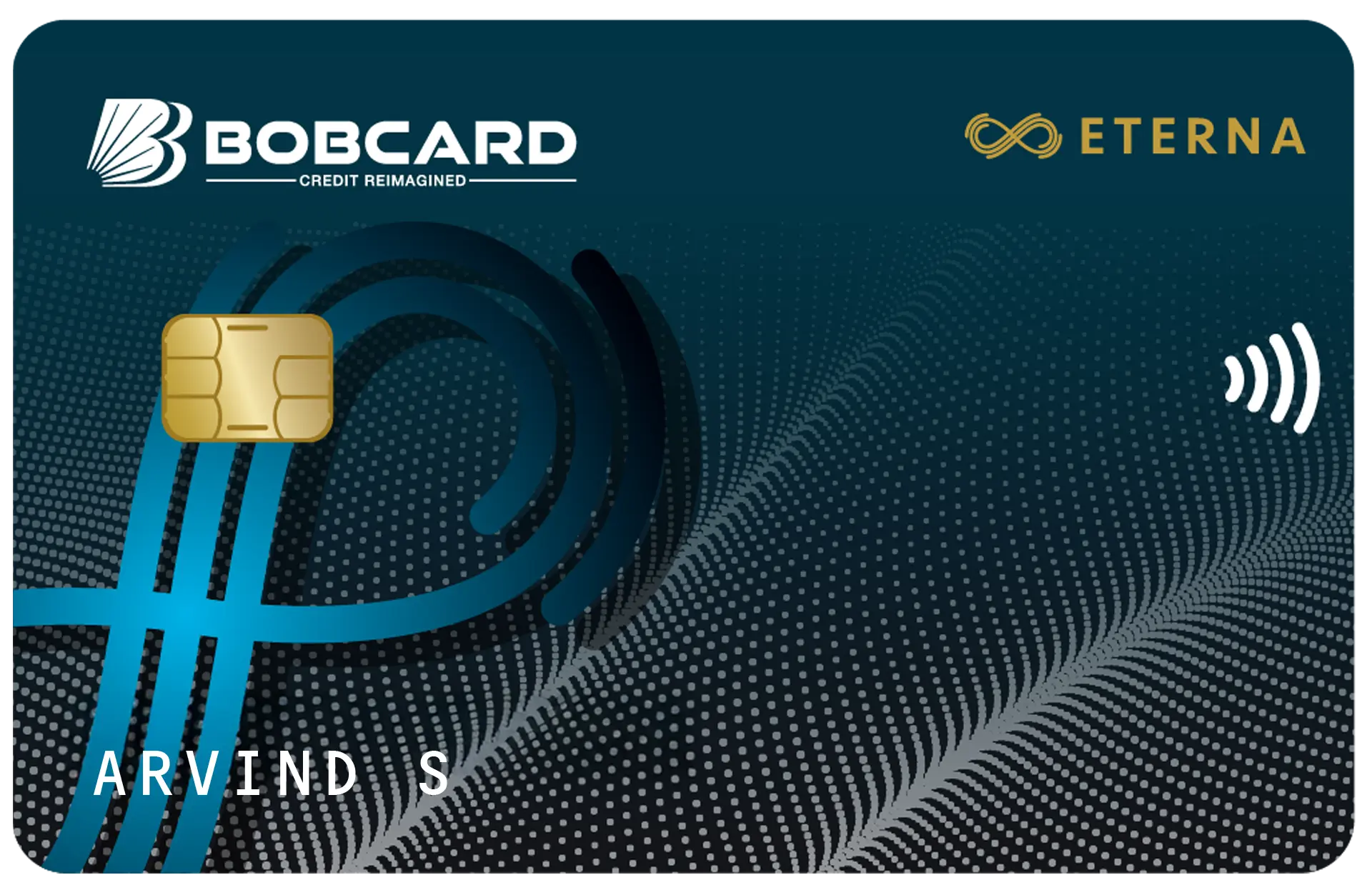
- BOBCARD's premium cards like Eterna have a RuPay variant - if you want both lounge access and UPI earning, choose the RuPay version when available.
- The best strategy for most Indians in 2026 is to hold one RuPay card for daily UPI earning and one Visa/Mastercard for international travel.
- BOBCARD Etihad Guest Premium (Mastercard with 0% forex) is the top choice for international travellers; Eterna (RuPay) is the top choice for domestic lifestyle spending.
- RuPay data is processed entirely within India on NPCI servers - a privacy and regulatory benefit over Visa/Mastercard.
Introduction: Why Network Choice Matters More Than You Think
When most Indian consumers evaluate a credit card, they focus on the cashback rate, annual fee, lounge access, and reward categories. The payment network - RuPay, Visa, or Mastercard - typically receives minimal attention. Yet in 2026, this single choice can determine whether you earn reward points on 70% of your transactions or just 30%.
India's payment landscape has undergone a fundamental transformation. UPI now processes over 14 billion transactions per month, accounting for the majority of consumer payments in urban and semi-urban India. And since June 2022, RuPay credit cards can be linked to UPI apps - meaning a RuPay credit card can earn rewards on every QR code scan, every auto-rickshaw ride, every neighbourhood store purchase, and every utility payment made via UPI.
Visa and Mastercard credit cards, despite their global brand recognition and international acceptance, cannot do this. If you hold a Visa BOBCARD and pay for groceries via Google Pay's QR code, you're using your UPI-linked debit card or savings account - not your credit card. This transaction earns nothing on your credit card.
The network decision is therefore not a minor technicality. It is a fundamental determinant of how much you earn on your total annual spending.
The Fundamental Difference
| Feature | RuPay | Visa / Mastercard |
|---|---|---|
| UPI credit card linking | Yes - all major UPI apps | No |
| International acceptance | Limited (select countries) | Excellent - global |
| Online international shopping | Limited | Full acceptance |
| Domestic acceptance (POS/online) | Excellent - all India | Excellent - all India |
| Foreign transaction fee | N/A (limited international) | 0%–3.5% depending on card |
| Data processing | India only (NPCI servers) | Global (Visa/MC networks) |
| Government promotion | Active (NPCI, RBI) | Standard |
The UPI Revolution: Why RuPay Is the Future of Daily Spending
India's UPI ecosystem has become the backbone of retail commerce. From ₹10 chai to ₹10,000 electronics, QR code payments have replaced cash and card swipes for a majority of transactions. Every local vendor, every food stall, every parking lot attendant now displays a QR code. And with 800+ million active UPI users in India, this is not a niche behaviour - it is the mainstream.
The RBI's June 2022 circular permitting RuPay credit cards to be linked to UPI apps fundamentally changed the earning opportunity for credit card holders. Before this change, UPI payments went through savings accounts and earned nothing on credit cards. Today, a RuPay credit card holder can direct every QR scan through their credit card - earning reward points, building toward fee waivers, and maximising their credit card's value on every rupee spent.
In practical terms: if you make 50 UPI transactions per month averaging ₹300 each - a conservative estimate for an urban consumer - that's ₹15,000 in monthly spending that previously earned zero credit card rewards. At a base 1% rate on a RuPay BOBCARD, that's ₹150/month or ₹1,800/year in additional earnings, simply by linking your card to an existing UPI app.
For accelerated-category spenders using RuPay cards, the earning is even higher. BOBCARD Eterna (RuPay) earns 3.75% on eligible online categories - and if those purchases are made via UPI on a linked RuPay card, the points accrue at the applicable rate.
Which BOBCARD Variants Are on RuPay?
Understanding which BOBCARD products offer RuPay variants is critical to making the right network choice. The BOBCARD product range across networks includes:
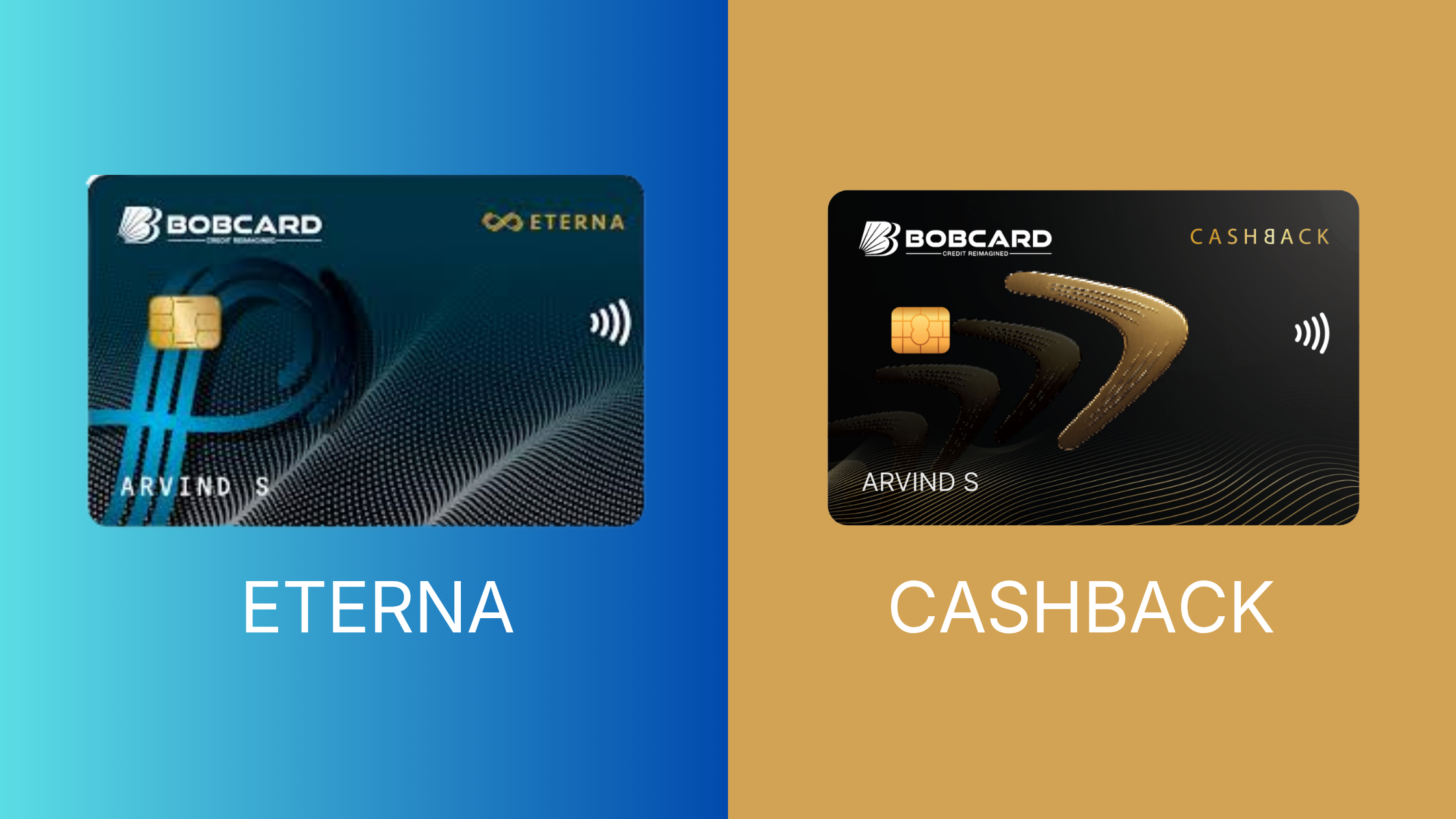
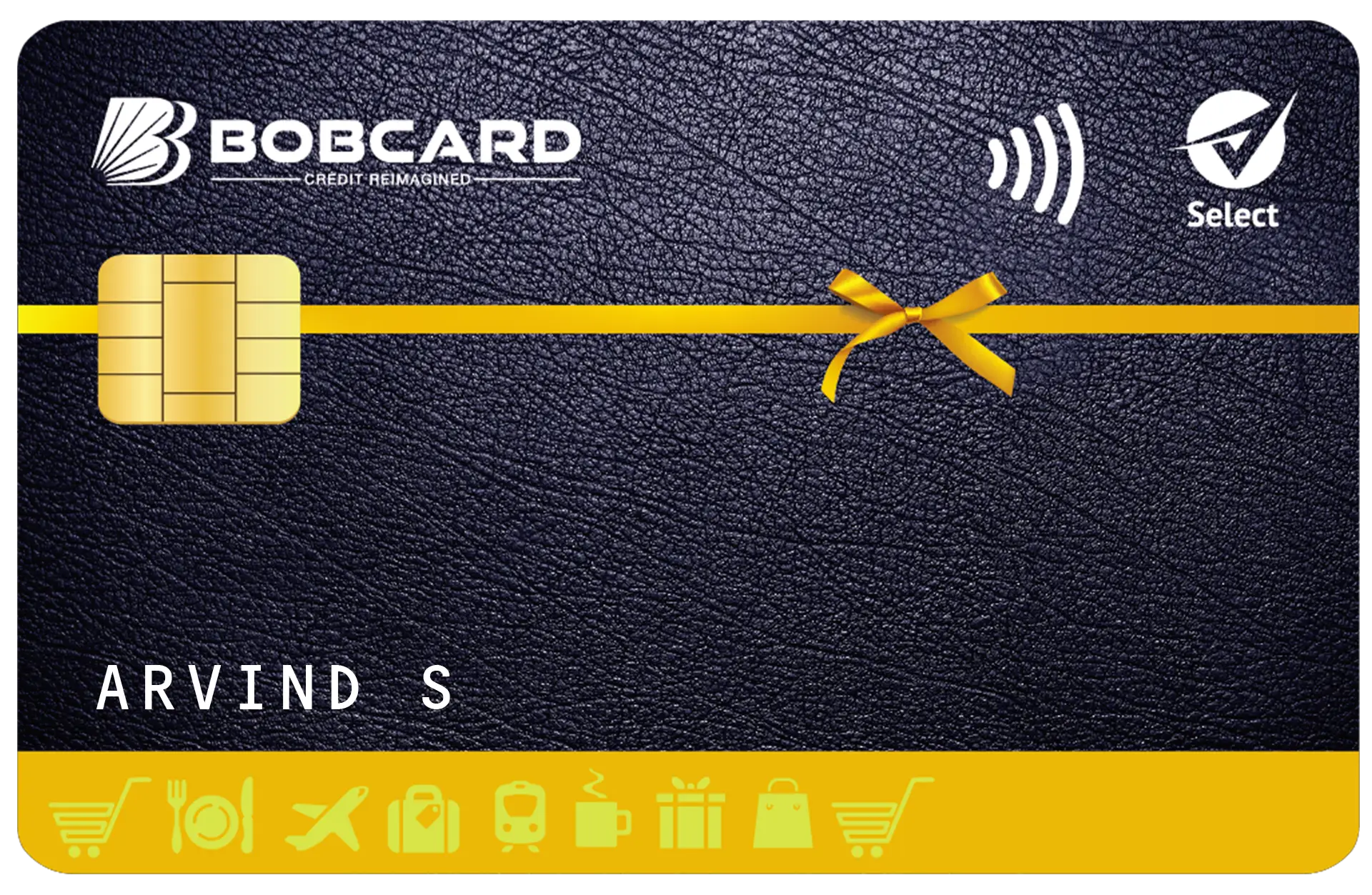
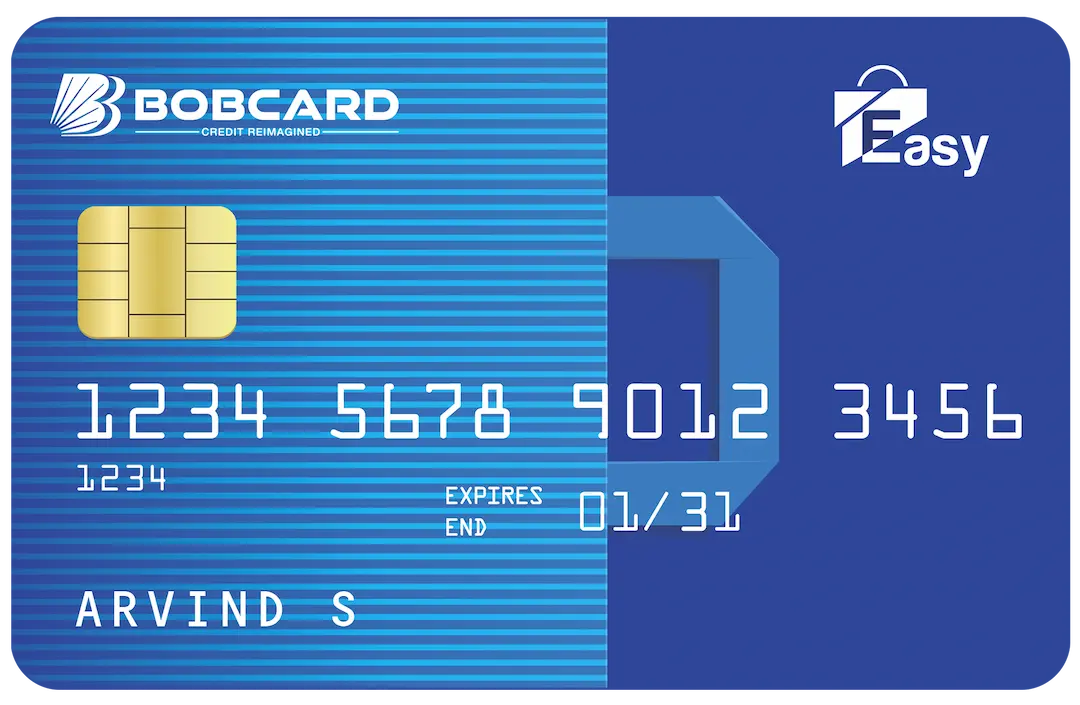
- BOBCARD Eterna - RuPay variant available (request specifically at application)
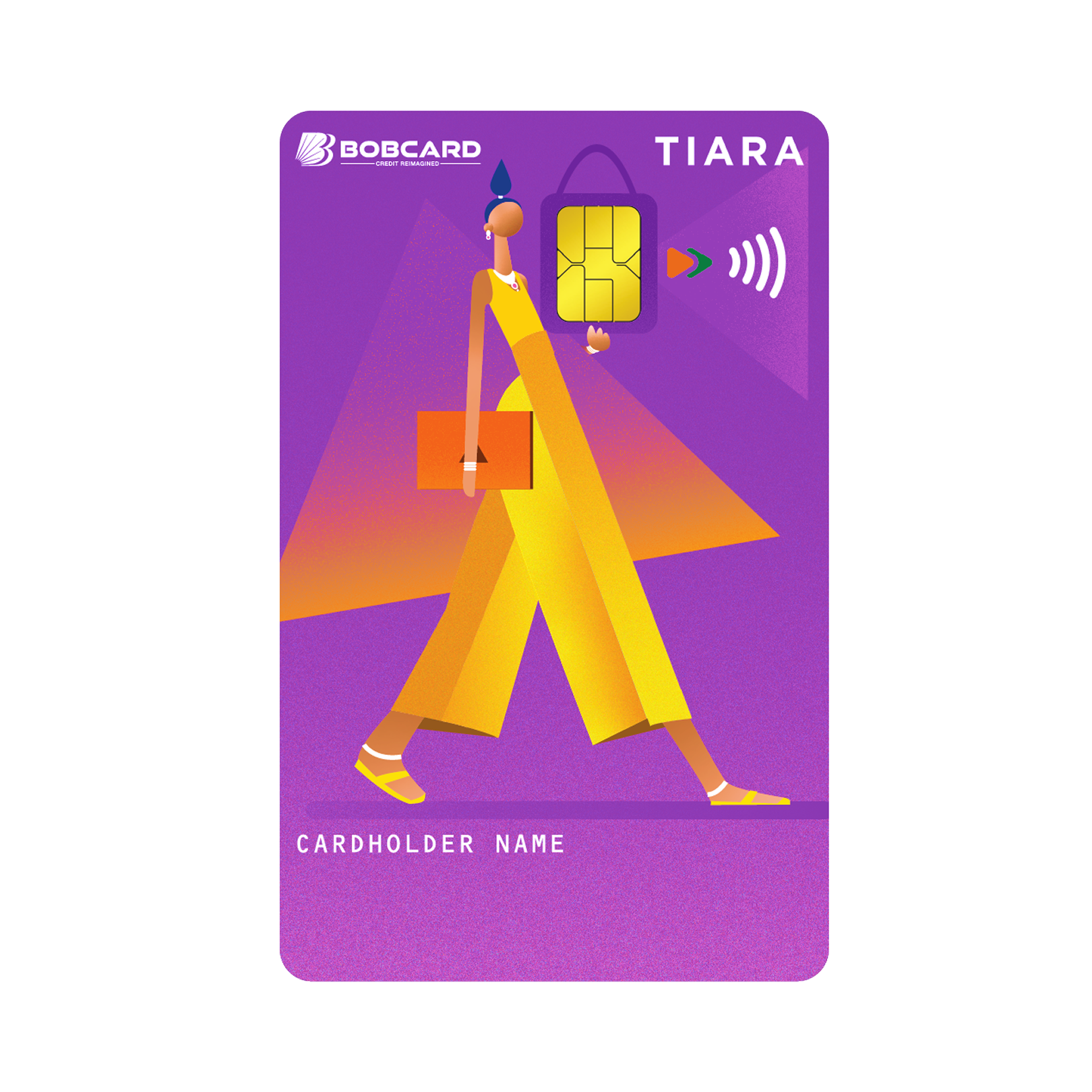
- BOBCARD Tiara - RuPay only (women-exclusive card)
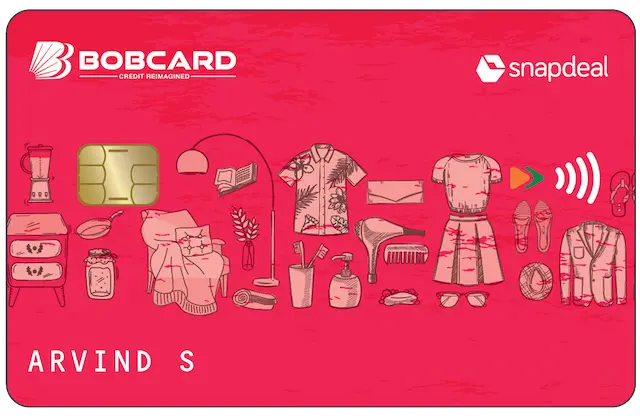
- Snapdeal BOBCARD - RuPay (UPI-enabled for everyday transactions)
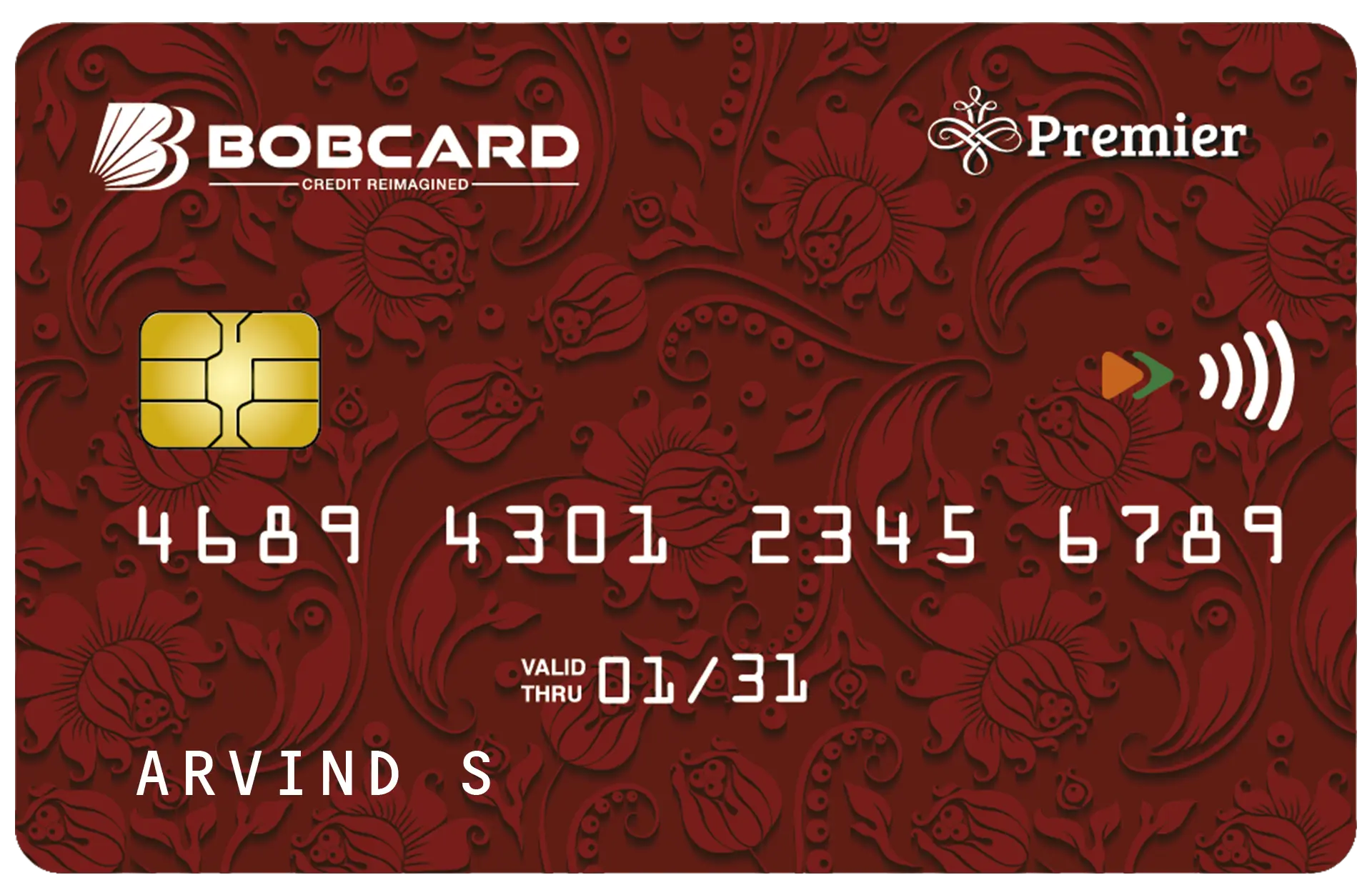
- BOBCARD Premier - RuPay (entry travel card with UPI support)
- BOBCARD Yoddha / Vikram - RuPay (defence cards, lifetime free)
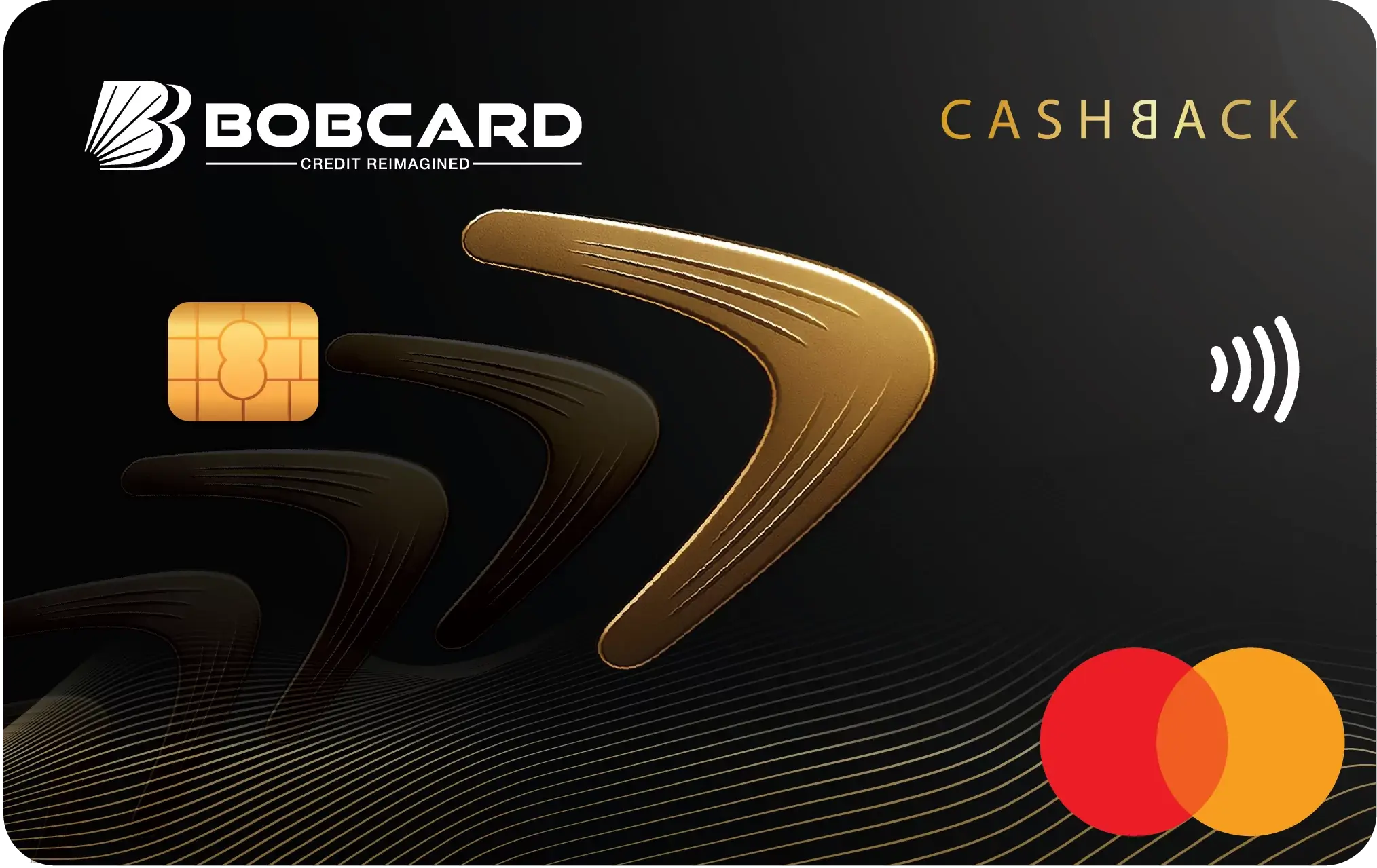
- BOBCARD Cashback - Mastercard (no RuPay variant available)
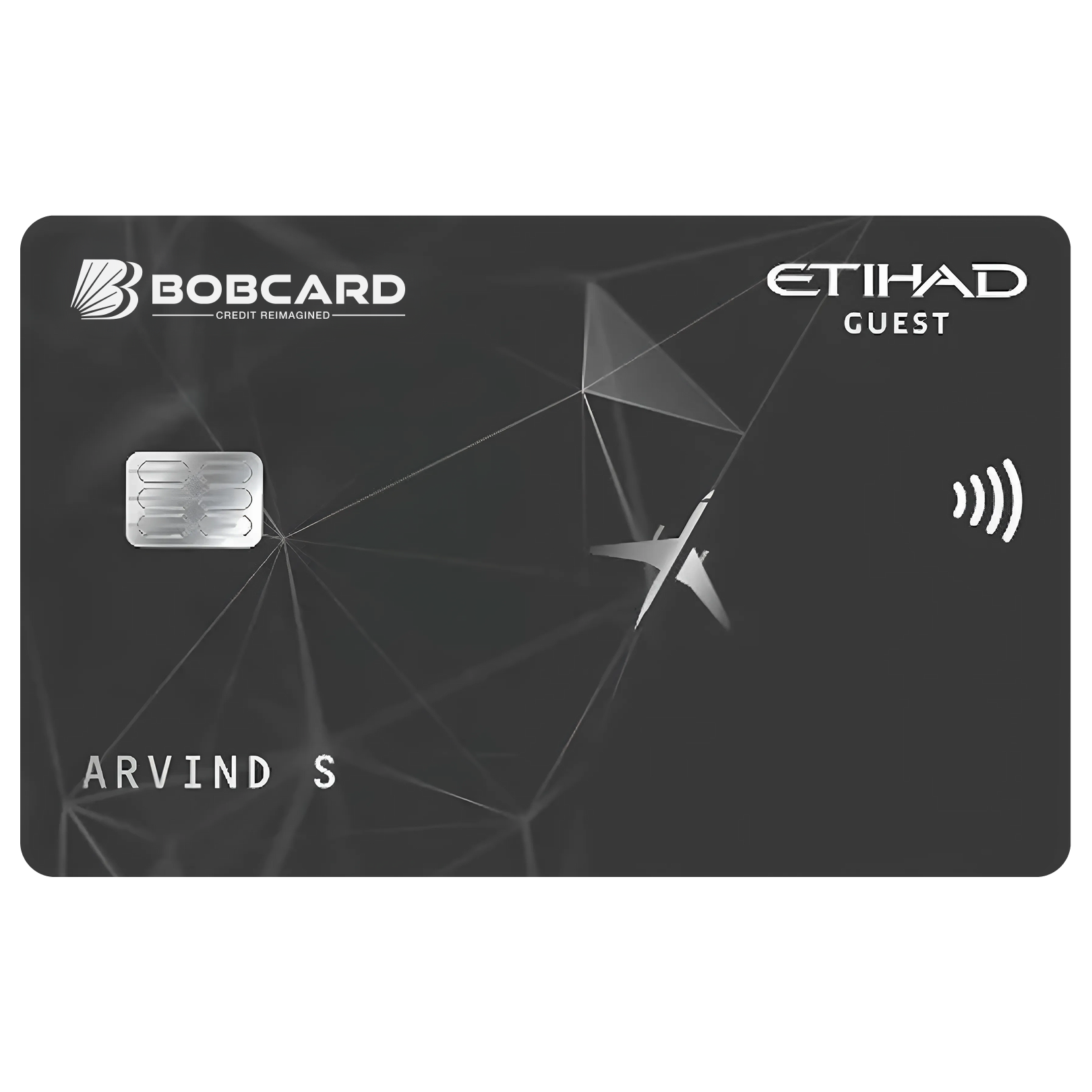
- BOBCARD Etihad Guest - Mastercard (international airline card)
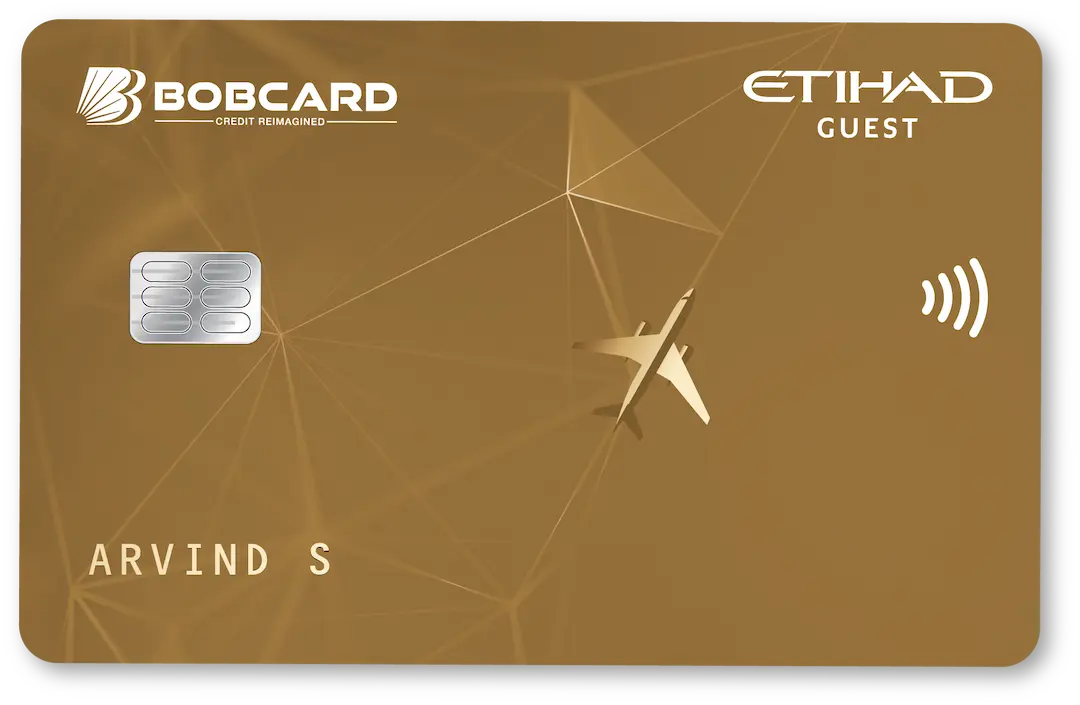
- BOBCARD Etihad Guest Premium - Mastercard Metal (0% forex, international focus)
If you want UPI earning on your lifestyle card, specifically request the RuPay variant of BOBCARD Eterna. For international travel, the Mastercard variants of the Etihad range offer better forex rates and global acceptance.
When to Choose RuPay BOBCARD
A RuPay BOBCARD is the right choice when you spend the majority of your money within India and use UPI regularly for daily transactions. The following profiles benefit most:
- Daily UPI users: Those who pay for groceries, food delivery, commutes, and local shopping via UPI apps. Every QR scan can now be a reward-earning transaction.
- Domestic-focused spenders: If you rarely travel internationally (less than once a year), the RuPay limitation on global acceptance is largely irrelevant.
- Privacy-conscious consumers: RuPay transactions are processed entirely within India on NPCI servers, without routing through international payment networks. This is increasingly relevant given global data privacy concerns.
- Small business owners: Many Indian businesses use UPI for B2B payments. A RuPay credit card linked to UPI can help entrepreneurs earn rewards on business expenses paid via QR codes.
- Cardholders who want the simplest UPI integration: One card for physical POS, online shopping, and UPI scanning, rather than managing separate instruments.
When to Choose Visa or Mastercard BOBCARD
A Visa or Mastercard BOBCARD is the right choice when international use is a regular part of your financial life. Key profiles include:
- International travellers: If you travel internationally 2 or more times per year, Visa and Mastercard are universally accepted at POS terminals, ATMs, and online merchants in virtually every country.
- International online shoppers: Many global e-commerce sites (Amazon US, eBay, Shopify stores, subscription services like Netflix US, Spotify, or Adobe Creative Cloud) are billed in foreign currencies. Visa/Mastercard offers full acceptance with clearly disclosed forex charges.
- BOBCARD Etihad Guest Premium holders: This card's entire value proposition - 0% forex markup, Etihad Gold tier, international lounge access - is built around international use. The Mastercard Metal network is integral to that value.
- Business travellers: Those attending international conferences, client meetings, or trade shows benefit from the universal acceptance and emergency services available through Visa/Mastercard global networks.
The Optimal Strategy: Hold Both
The most effective credit card strategy for a typical Indian professional in 2026 is a two-card setup: one RuPay card for domestic daily earning and one Visa/Mastercard for international use. This approach captures the best of both networks without compromise.
Within the BOBCARD portfolio, the ideal pairing depends on income and spending level. For mid-range spenders earning ₹8–15 LPA, BOBCARD Eterna (RuPay) paired with BOBCARD Cashback (Mastercard) covers both UPI daily earning and broad online cashback. For premium spenders earning ₹15+ LPA with international travel, BOBCARD Eterna (RuPay) paired with Etihad Guest Premium (Mastercard Metal) covers daily UPI earning, domestic lounge access, international lounge access, 0% forex, and airline miles.
The combined annual fees for a thoughtfully chosen two-card setup are typically recovered within 2–3 months of regular use, making the strategy financially sound for anyone who actively uses credit cards for planned spending.
RuPay's International Expansion: Current Status in 2026
A common misconception is that RuPay has zero international acceptance. The reality is more nuanced. Through partnerships with JCB (Japan, Asia-Pacific), Discover (USA), and bilateral agreements, RuPay cards are accepted in over 185 countries and territories in some capacity.
India's government has actively promoted RuPay acceptance with neighbouring countries. Nepal, Bhutan, Singapore, UAE, Mauritius, France (via Discover network), Maldives, and several other countries now have bilateral RuPay acceptance at select merchants and ATMs. If you primarily travel to these destinations, a RuPay card may work adequately.
However, acceptance remains patchy compared to Visa and Mastercard. In the UK, most European countries, much of Southeast Asia, and at smaller international merchants, RuPay acceptance at physical POS terminals cannot be guaranteed. For travel to these regions, a Visa or Mastercard backup is strongly recommended. The inconvenience of a declined transaction in a foreign country - especially for emergencies - makes the Visa/Mastercard network reliability genuinely valuable.
Summary: The Decision Framework
| If you... | Choose... |
|---|---|
| Spend mostly in India, use UPI daily | RuPay BOBCARD |
| Travel internationally 2+ times/year | Visa/Mastercard BOBCARD |
| Want the best of both worlds | Hold one RuPay + one Visa/MC |
| Only want one card for everything | Visa/Mastercard (broader coverage) |
| Value data privacy, India-only processing | RuPay BOBCARD |
| Shop extensively on international websites | Visa/Mastercard BOBCARD |
The network question is one of the most consequential and least-discussed aspects of credit card selection in India. In 2026, with UPI dominating domestic payments and global travel returning to pre-pandemic levels, understanding RuPay vs Visa/Mastercard is no longer optional for a financially aware consumer - it is essential.

Frequently Asked Questions
Disclaimer
This article is published by Card24.ai for informational and educational purposes only. The information contained herein is based on publicly available data, product terms, and issuer communications as of May 2026, and is subject to change at any time without notice.
Card24.ai is not affiliated with BOBCARD, Bank of Baroda, or any other financial institution mentioned in this article. This content does not constitute financial advice, investment advice, or a recommendation to apply for any specific credit card or financial product.
Credit card features, annual fees, reward rates, cashback caps, and benefits are subject to change by the issuer at any time. Always verify the current terms and conditions directly with the card issuer at bobcard.co.in or by calling BOBCARD Customer Care at 1800 103 1002 before making any financial decision.
Credit card eligibility is determined by the issuing bank based on your credit score, income, existing liabilities, and other factors. Card24.ai does not guarantee approval for any card discussed on this platform.
Card24.ai may receive referral compensation from card issuers when readers apply for cards through links on our platform. This compensation does not influence our editorial content, rankings, or recommendations. All reviews are independent and based on our own research and analysis.